House Control Hinges on Three Seats as Midterm Cycle Concludes
Democrats require a net gain of three seats to reclaim the chamber, a target complicated by recent redistricting and shifting campaign spending patterns.
By Lucas Collins ·

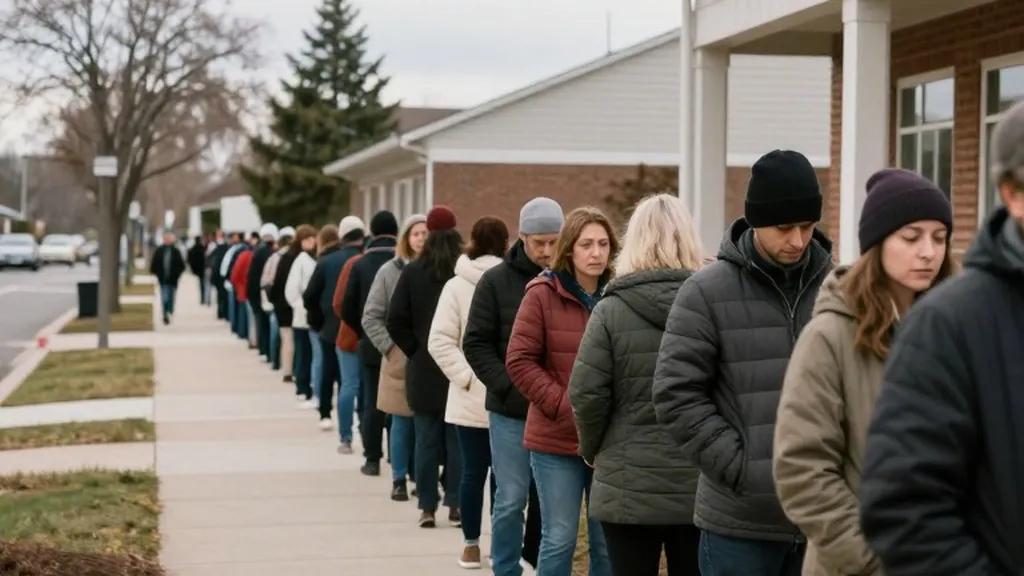
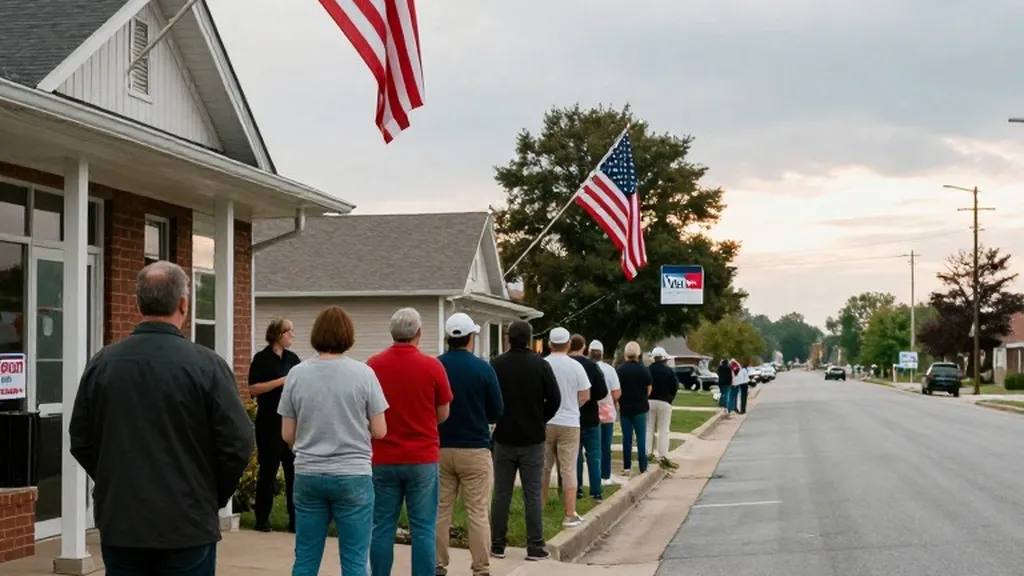
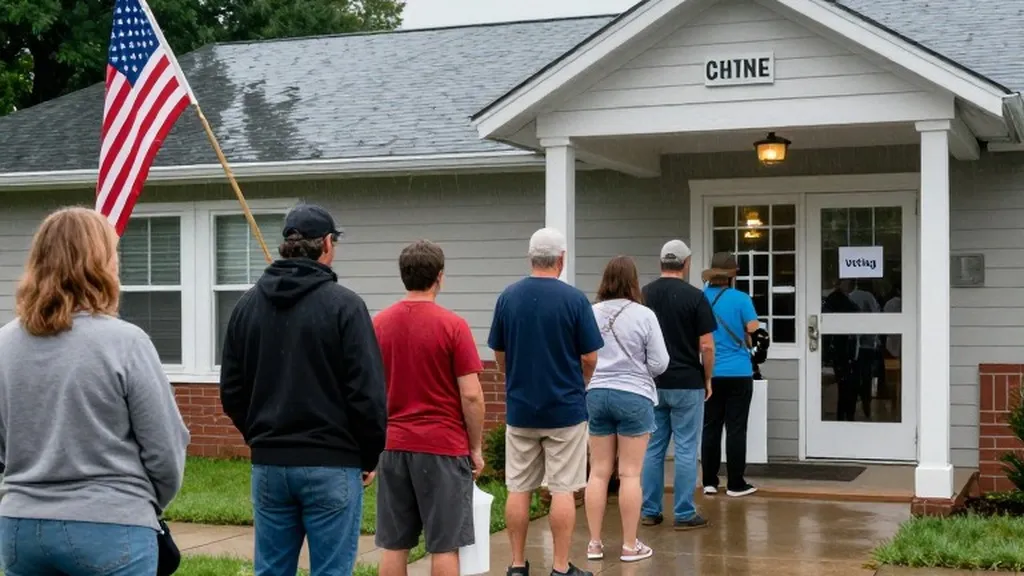
The House of Representatives faces a decisive shift in power as voters cast ballots for all 435 seats.
Republicans have controlled the chamber for the previous four years, but they face a specific numerical hurdle to maintain that status. Democrats need a net gain of three seats to secure the 218 votes required for a majority. That margin allows little room for error in a cycle where historical trends favor the party not currently holding the presidency.
Recent polling data indicates widespread voter dissatisfaction with President Donald Trump, particularly regarding the economy and the cost of living. These concerns are amplified by the ongoing Iran war and the administration's tariff agenda. Despite these headwinds, Republicans attempted to secure a larger cushion by redrawing congressional maps across the country over the past 18 months.
The redistricting process has created a complex map for the current election. After these changes, only eight Republicans represent districts that former Vice President Kamala Harris carried in 2024. Conversely, 21 Democrats hold seats in districts that Trump won in the 2024 general election. This inversion of the 2024 results makes several races more competitive than standard models might suggest.
Key figures in both parties have outlined stark visions for the next two years. House Minority Leader Hakeem Jeffries, who would become the first Black speaker if Democrats win, has framed the election as a judgment on the current administration. He told a campaign rally for former Representative Elaine Luria in Virginia that the American people would run out the "MAGA extremists" for their impact on the economy and families.
Speaker Mike Johnson, a close ally of President Trump, has warned of aggressive oversight if the chamber flips. He argued that Democrats would spend every waking hour investigating the president, the Cabinet, and business leaders. Johnson characterized the potential Democratic control as a period of retribution aimed at rolling back the signature legislation passed during the first two years of the current term.
Campaign strategies have shifted in the final weeks. Top Republican outside groups withdrew millions of dollars from ad reservations for vulnerable Representatives Tom Kean Jr. of New Jersey and Mariannette Miller-Meeks of Iowa. They redirected those funds to other races. In Nebraska’s 2nd District, Republican groups reduced spending by hundreds of thousands of dollars after moderate Representative Don Bacon announced his retirement. This move left the district, which Harris won in 2024, without a high-profile incumbent to defend the seat.
The final stretch of the campaign saw intense activity from both party leaders. Jeffries traveled to California, Texas, Florida, Ohio, Michigan, New York, New Jersey, and Pennsylvania to support candidates. Johnson campaigned in many of the same battleground districts to protect his slim majority. The outcome will determine the legislative agenda for the remaining two years of Trump's tenure, with Democrats promising aggressive investigations if they take control.