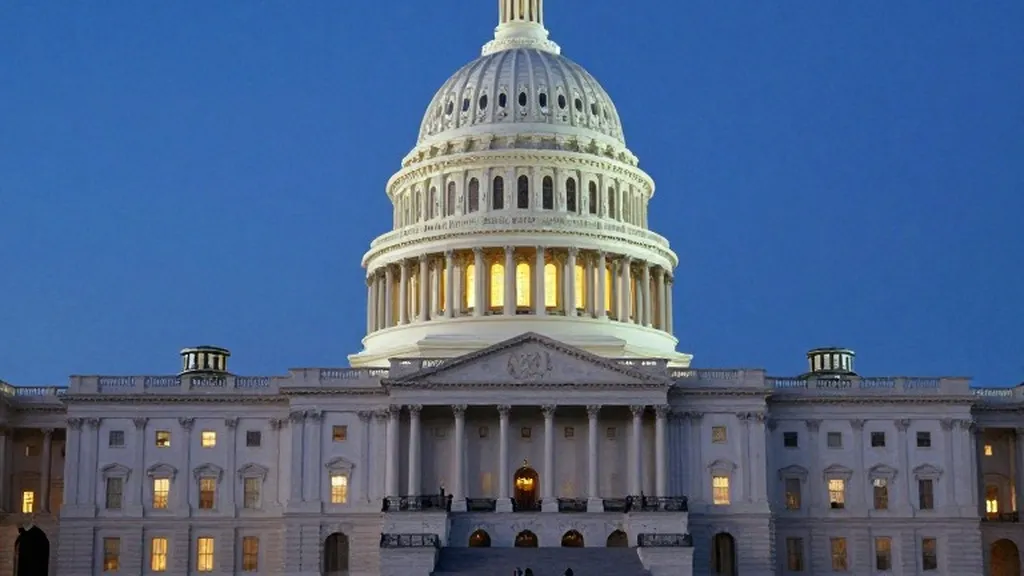
GOP picks Jordan as minority leader as Democrats take control of Congress
The new congressional map sets the stage for a two-year oversight battle, with Democrats holding majorities in both chambers and Republicans inheriting a historically small conference.
By Thabo Hoffmann ·
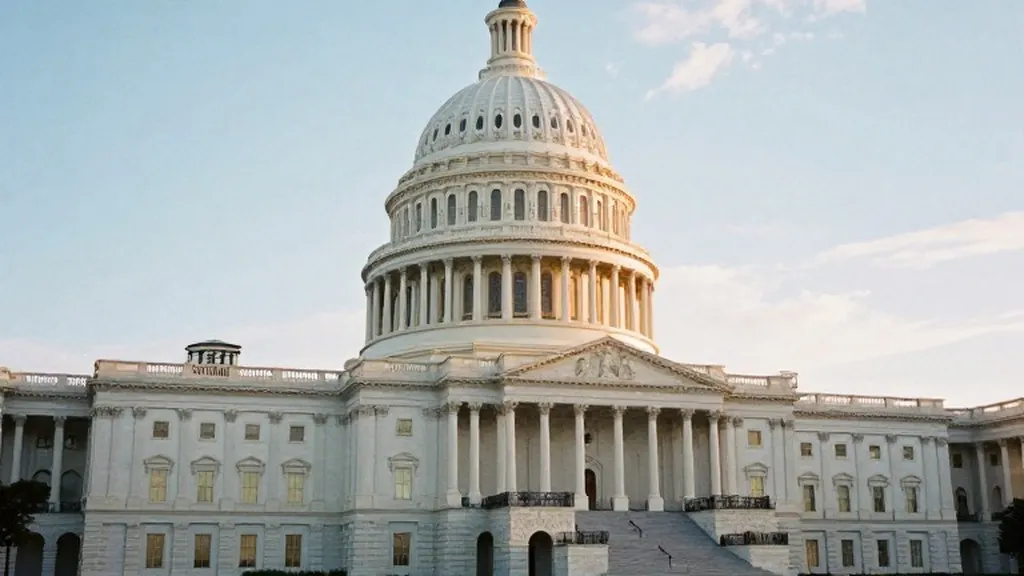
Rep. Jim Jordan of Ohio won the election on Tuesday to serve as House Republican leader, defeating Rep. Steve Scalise of Louisiana in a secret ballot vote among Republicans who will serve in the next Congress. The final tally was 106 to 73, marking a decisive shift in party leadership following the midterm results. Jordan, who is chairman of the House Judiciary Committee, is a co-founder of the House Freedom Caucus and served as its first chairman. His victory signals a preference for a hard-hitting political style among the remaining Republican members as they prepare for a two-year stint in the minority.
Republicans lost their majority in the House, picking up a net loss of 42 seats in the recent elections. With results reported as of 4 p.m. EST on November 6, Democrats hold at least a 250 to 157 majority in the chamber. This is a historically small House Republican conference, and the party is beginning to grapple with its loss of power while President Donald Trump serves out his final two years in office. Jordan warned that Democrats would pursue numerous investigations of the Trump administration, emphasizing that the party must focus on offense rather than defense to win elections in 2028.
In the Senate, Democrats also secured a majority, winning at least seven seats that were previously held by Republicans. As of 4 p.m. EST on November 6, Democrats hold a 54 to 44 majority in the upper chamber. This net loss for Republicans puts the election in the top 20% of election years for seat swings against a president’s party, a threshold often defined as a wave election. The change in control means Democrats will now set the legislative agenda and have significant influence over judicial nominees and oversight processes for the remainder of the current administration.
Rep. Hakeem Jeffries of New York is expected to become the next House speaker, a role that would make him the first African-American to hold the position. His selection is part of a broader Democratic leadership structure that will now manage the House majority. Rep. Katherine Clark of Massachusetts is expected to become the next majority leader, which would make her the first woman to hold that specific position. These leadership choices indicate a focus on experience and historical firsts as Democrats begin their two-year majority.
Senate Republicans held a meeting on Tuesday to discuss their future and determine whether to keep South Dakota Sen. John Thune as their leader. Thune, who replaced Sen. Mitch McConnell as leader in early 2025, is expected to be reelected as he remains popular with colleagues and is running unopposed. However, some senators, including Wisconsin Sen. Ron Johnson, argued that the election results demand a period of soul-searching and a potential delay in the leadership elections. Johnson circulated a letter asking for a delay, stating that the defeat was an incredible repudiation of the focus of the previous Congress, particularly regarding Medicaid and rural hospital funding.
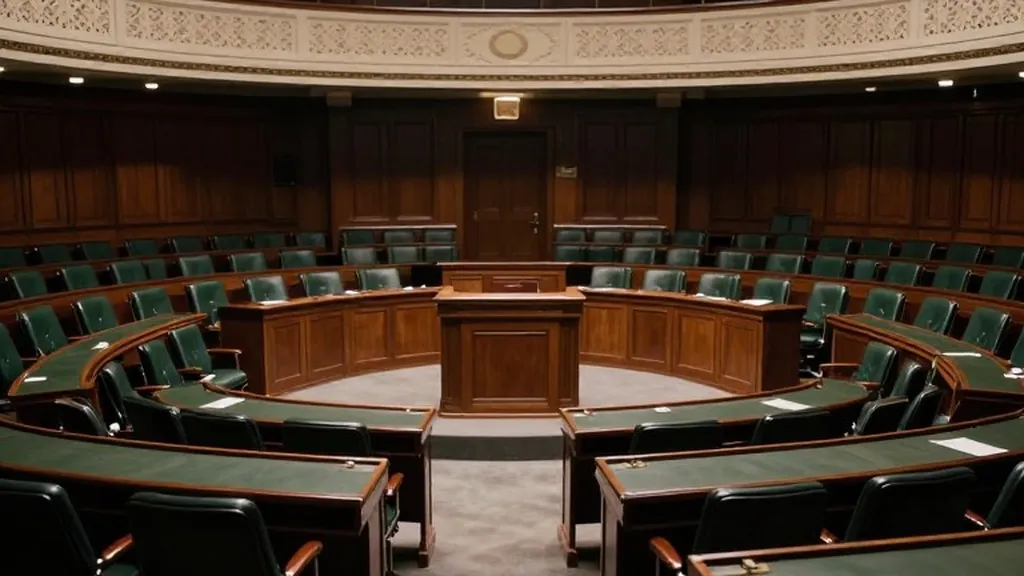
Despite the push for delay, the Republican leadership declined to move the elections, which are held in the Old Senate Chamber. Sen. Mike Rounds of South Dakota noted that most senators are ready to move forward and place leadership in position. Thune stated that the conference will have a robust conversation about where the party goes from there, emphasizing that the decision ultimately rests with Republican senators. The party is just beginning to reckon with what the election results mean for its lawmakers and how soon it can try to rebuild its ranks in preparation for 2028.
Control of both chambers will allow Democrats to advance their 100-day agenda, which is expected to include investigations into the Trump administration and key legislative priorities. The new leadership will also oversee the confirmation of judicial nominees, a process that will be heavily scrutinized by the Republican minority. Jordan’s victory as minority leader suggests that the Republican strategy will rely on aggressive committee hearings and public oversight to challenge Democratic initiatives and the executive branch.
President Donald Trump said he was staying out of the House leadership race, though he hosted Thune and his family at the White House in October. Trump described Thune as a very fine man and noted that the election of Senate leadership is up to the Senate. The president’s administration faces a Congress that is more aligned with the opposition, which will likely lead to increased friction on issues such as border security and the economy, topics that were central to the midterm campaign.
The election results also showed Democrats winning a plurality of state government trifectas and a majority of governorships for the first time since before the 2010 elections. As of 4 p.m. EST on November 6, Democrats had won 22 of the 36 gubernatorial races, while Republicans won 12. Two races remained uncalled. In 44 of the 46 states where trifecta offices were on the ballot, 20 states had Democratic trifectas, 16 had Republican trifectas, and 8 had divided governments. This shift in state government control further complicates the landscape for national party strategies in the coming years.
Looking ahead to 2028, the Republican party faces a stiff climb to regain the House majority, given the scope of Democratic victories in the midterms. Jordan’s emphasis on offense and his experience in committee rooms suggest a strategy focused on holding the administration accountable and preparing the party for the next presidential cycle. The Democratic leadership, meanwhile, will look to solidify their gains and push through key legislative items before the 2028 election year begins.
The final two years of the current administration will be defined by this new congressional balance of power. With Democrats holding the majority in both the House and the Senate, they have the numbers to advance investigations and confirm nominees. Republicans, led by Jordan and likely Thune, will focus on oversight and building a base for future growth. The political dynamics set by the November 3 elections will shape the legislative and judicial landscape until the next cycle.