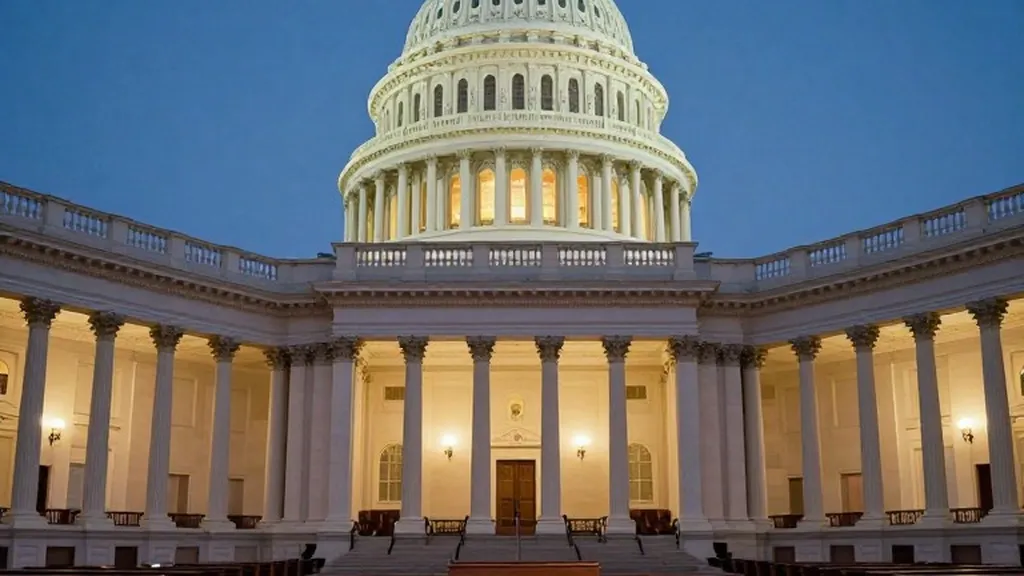
Democrats seize House and Senate control in historic midterm sweep
With Republicans losing at least 43 House seats and seven Senate seats, the new Congress begins with Democratic majorities in both chambers, capping a wave election against the president's party.
By Thabo Hoffmann ·
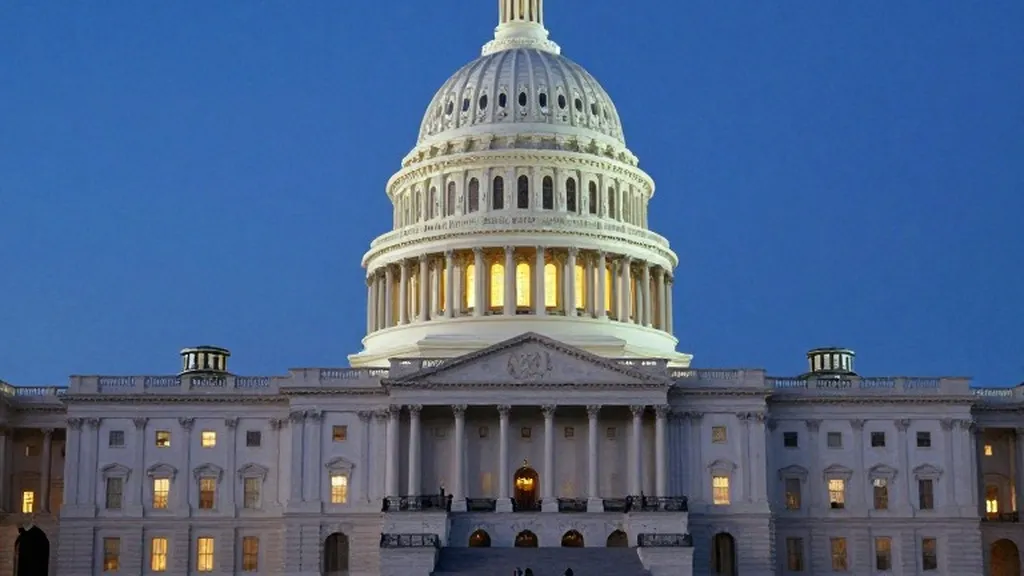
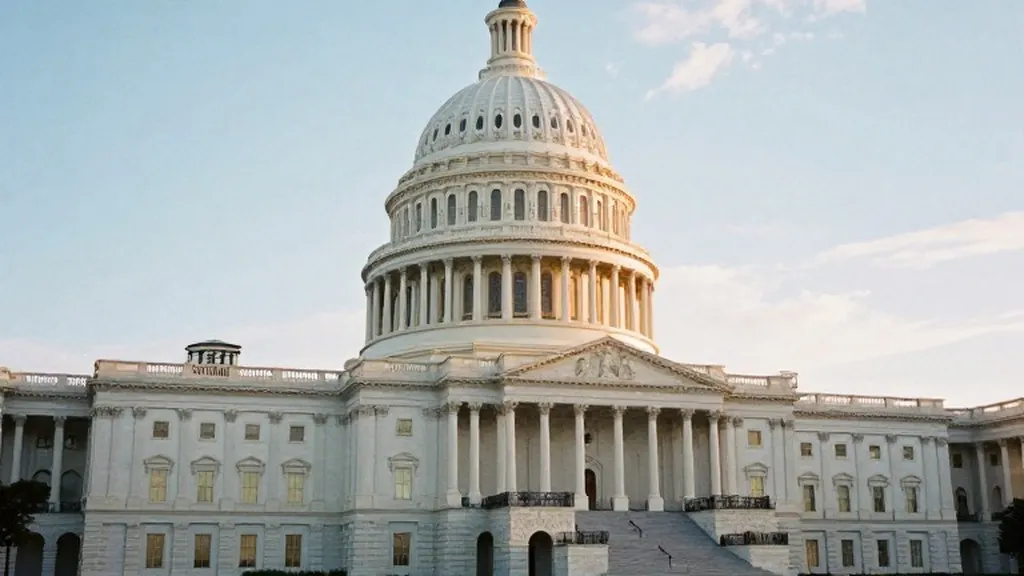
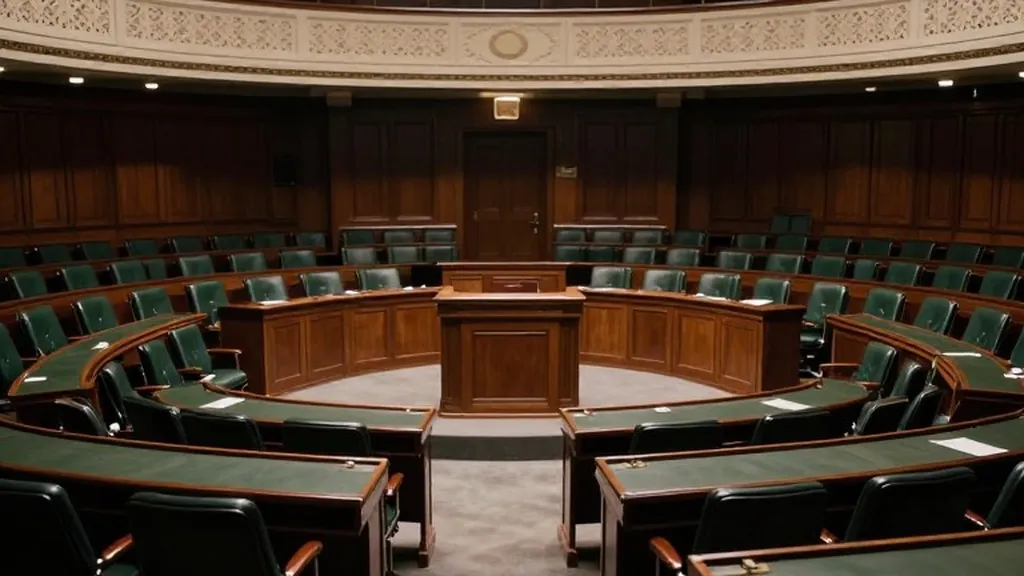
Democrats have secured majorities in both the U.S. House and Senate following the midterm elections held on November 3, 2026. As of the latest reports, Democrats hold at least a 250 to 157 majority in the House and a 54 to 44 majority in the Senate. This result marks a significant shift in power, as Republicans suffered a net loss of at least 43 House seats and seven Senate seats. The loss of 42 House seats is just short of the 48 needed to be classified as a full wave election, though the Senate loss places this cycle in the top 20% of historical seat swings against a president's party.
The new Democratic leadership will take control of the legislative agenda when the new Congress convenes in January. Until that time, Republican leaders remain in the majority in both chambers and are using their final weeks to execute their own legislative priorities. House Speaker Mike Johnson has expressed frustration at the incoming Democratic plans, noting that impeachment proceedings in the middle of hostilities abroad would be a terrible look for allies and enemies alike. Senate Majority Leader John Thune has indicated that the Senate will deal with any actions taken by the House accordingly.
Republican lawmakers have already moved to shape the early days of the lame duck session. Rep. Thomas Massie of Kentucky, a Republican, introduced a resolution on Monday to impeach Defense Secretary Pete Hegseth. Massie, who was defeated by a Trump-backed challenger in a primary earlier this year, argued that Hegseth knowingly executed unlawful orders in the wars in Iran, Yemen, and Venezuela. President Donald Trump responded to the move by calling Massie a loser with a lot of hatred in his heart, but House Democratic Leader Hakeem Jeffries supports the measure. Sen. Chuck Schumer has endorsed the push, stating that Hegseth must stand trial before the Senate.
The election results also reflect a broader shift in state government control. Democrats won a majority of governorships for the first time since before the 2010 elections. They also secured a plurality of state government trifectas and state legislative chambers. In 44 of the 46 states where trifecta status had been decided, the balance of power has shifted or held in ways that favor Democratic control in key states. This state-level momentum provides the incoming congressional majority with a stronger political foundation for their legislative goals.
Among the notable state races, Xavier Becerra won the governorship in California, becoming the state's first elected Latino governor. His victory continues a streak of five consecutive Catholic governors in the state. Becerra's win highlights the complex political dynamics of Catholic voters in California, where about 6 in 10 Catholic voters supported him, while white Catholics were split between him and his Republican opponent Steve Hilton. The AP Voter Poll indicated that Latino Catholics were particularly supportive of Becerra, with about 7 in 10 voting for him.
Democrats in Congress are preparing to use their new majorities to check the administration's policies, particularly regarding the dismantling of the U.S. Education Department. Rep. Bobby Scott of Virginia, the top Democrat on the House Committee on Education and the Workforce, stated he plans to leave no rock unturned in investigating the administration's actions. Sen. Elizabeth Warren of Massachusetts called on her colleagues to hold the administration accountable for turning its back on students. Democrats are also exploring the use of federal funding as leverage to rein in executive actions, with Sen. Chris Van Hollen of Maryland noting that they aim to establish guardrails through the appropriations process.
The White House has not backed away from its campaigns to close the Education Department and end diversity, equity, and inclusion policies. Education Department spokesperson Savannah Newhouse accused Democrats of plotting to prematurely sabotage Education Secretary Linda McMahon. White House spokesperson Liz Huston criticized the incoming Democrats for failing American students with disastrous leadership before the president returned to office. Despite these warnings, Democratic leaders are confident that their oversight and appropriations powers will allow them to push back against decisions that have affected schools and universities nationwide.
In the tech sector, President Donald Trump addressed the ongoing investigation into Nvidia CEO Jensen Huang, stating that Huang should not worry about the FBI's inquiry into his affair with a woman alleged to be a Chinese government agent. Trump spoke to Huang directly to check on him and suggested the CEO would be in good shape. China denied the spying allegations on Monday, with Ministry of Foreign Affairs spokesperson Guo Jiakun calling them unsubstantiated and a smear campaign against Beijing. Nvidia shares dropped roughly 5% in pre-market trading following the news, though Huang issued an apology and pledged to cooperate fully with the investigation.
The new congressional majority faces immediate challenges in balancing legislative priorities with the administration's veto power. While Democrats have the numbers to pass bills, President Trump has pledged to veto measures he sees as harmful. Advocacy groups like the SPAN Parent Advocacy Network believe that while the new Congress is unlikely to pass harmful legislation, it may also struggle to undo the harm already done by the current administration. The focus will likely remain on using the power of the purse to prevent further changes and to seek reversals of key executive actions.
As the lame duck session concludes and the new Congress prepares to convene, the focus will shift to the specific policies that Democrats prioritize. The loss of control in both chambers represents a significant check on executive power and signals a shift in national political sentiment. The coming months will test the ability of the new Democratic majority to navigate a divided government and implement their agenda, particularly in areas such as education, defense, and state-level policy coordination.