Democrats Seize Both Chambers in Historic Midterm Sweep
Voters delivered a decisive rebuke to the administration, with Democrats winning control of the House and Senate while Republicans lost their majority of governorships for the first time since 2010.
By Emmanuel Obasi ·
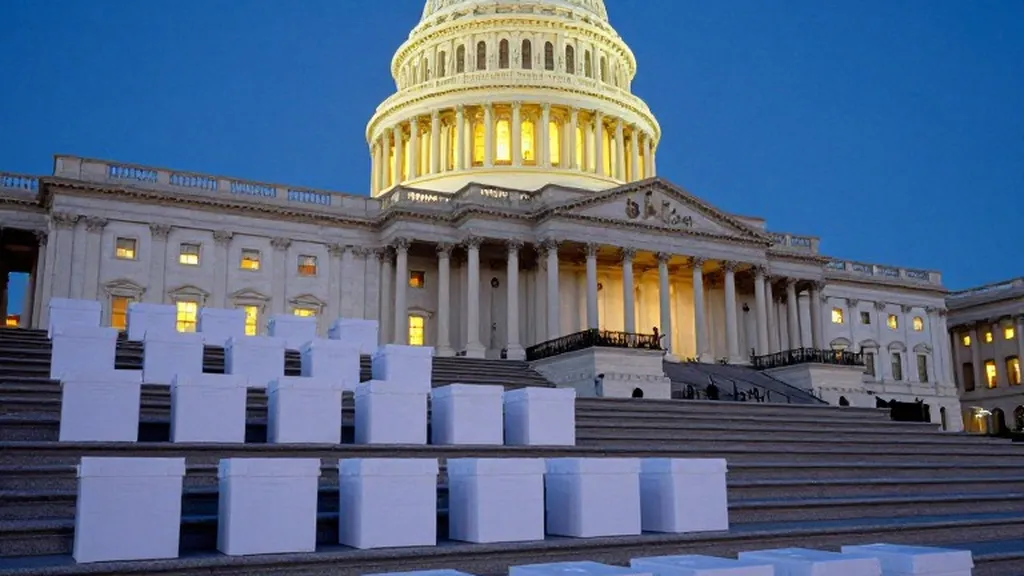
President Donald Trump faced a stark reality in the hours following the 2026 midterm elections as his party suffered its most significant defeat in two decades. The results confirmed a massive shift in power, with Democrats securing majorities in both the U.S. House and the U.S. Senate. This outcome marks the first time Democrats have won a majority of governorships since before the 2010 elections, signaling a profound change in the political landscape across the country.
According to the official tally, Democrats won at least 250 seats in the House and 54 seats in the Senate, leaving Republicans with 157 House seats and 44 Senate seats. The net loss of at least seven Senate seats places this election in the top 20 percent of all election years in terms of seat swings against the president's party. This threshold is widely defined as a wave election, indicating that voters used the ballot box to express strong dissatisfaction with the current executive branch.
Trump set a combative tone immediately after the results began to come in. Declaring on social media that the investigative requests already made by Democrats were extortion at the highest level, he signaled that his administration would not yield to the new congressional leadership. Attorney General Todd Blanche echoed this sentiment, stating that criminal investigations of Democrats are possible. This early rhetoric sets the stage for a potential showdown that will likely define the remaining two years of the president's term.
The loss of control in Congress represents a significant check on the White House. About 7 in 10 voters nationally said Congress was not doing enough to provide checks and balances on the presidency, according to a survey of more than 100,000 midterm voters. This desire for accountability is expected to drive the new Democratic majority as they prepare for aggressive investigations into the executive branch. The new leadership has already indicated that impeachment is an option for certain officials, including Defense Secretary Pete Hegseth.
However, not all Democrats are united on the strategy for the coming years. Some members of the new majority are warning that delivering on the central promise of lowering the cost of living must take precedence over conflict with the president. There is a fear that resounding wins could prove fleeting if the agenda is defined solely by opposition to Trump. Sen.-elect Adam Hamilton, the first Democrat elected from Kansas in 94 years, expressed skepticism about impeachment, stating that his campaign was about bringing people together rather than dividing the country further.
Beyond the federal government, the results reshaped state politics significantly. Democrats won 22 of the 36 gubernatorial races, a clear majority they had not held since 2010. Five states changed party control, all shifting from Republican to Democratic hands. This shift includes the election of Deb Haaland as the first Native American woman to win a state governorship in New Mexico. Her victory is part of a broader wave of historic firsts, including the election of Peggy Flanagan as the first Native American woman to serve in the U.S. Senate.
The economic concerns that drove voters to the polls remain the central issue for the new Congress. Three-quarters of voters said the economy was not so good or poor, and about 8 in 10 said inflation had caused a severe or moderate financial hardship for their households. The new Democratic leadership faces the immediate challenge of translating this mandate into legislative action that addresses the high cost of living. This is a complex task given the divided government in many states and the need to negotiate with a defiant White House.
Republican figures have also acknowledged the magnitude of the loss, though they remain defiant in their approach. The party spent roughly 60 percent more than Democratic-aligned groups in the Senate races, yet still lost at least seven seats. This spending disparity highlights the intensity of the campaign and the strength of the Democratic turnout. The new congressional leadership, led by figures like Hakeem Jeffries, who is poised to become the first Black House speaker, has vowed to push back against what they describe as the extremism of the administration.
The transition of power will begin in earnest in January, but the legislative battles are already being prepared. The House Oversight Committee, which will be chaired by Rep. Robert Garcia, is preparing investigations into what he calls the Trump crime family. Garcia stated that the days of not fighting back are over, reflecting the aggressive posture the new Democrats intend to take. This stance contrasts with the more cautious approach of some new members who want to focus on guardrails rather than constant conflict.
For voters, the results serve as a clear referendum on the president's second term. The combination of high prices, the war in Iran, and concerns about government corruption drove a frustrated electorate to the polls. The new Congress inherits a mandate to act, but the path forward is fraught with potential friction. The coming two years will test the power of Congress to put a check on the White House and determine whether this wave of change can deliver tangible results for the American public.