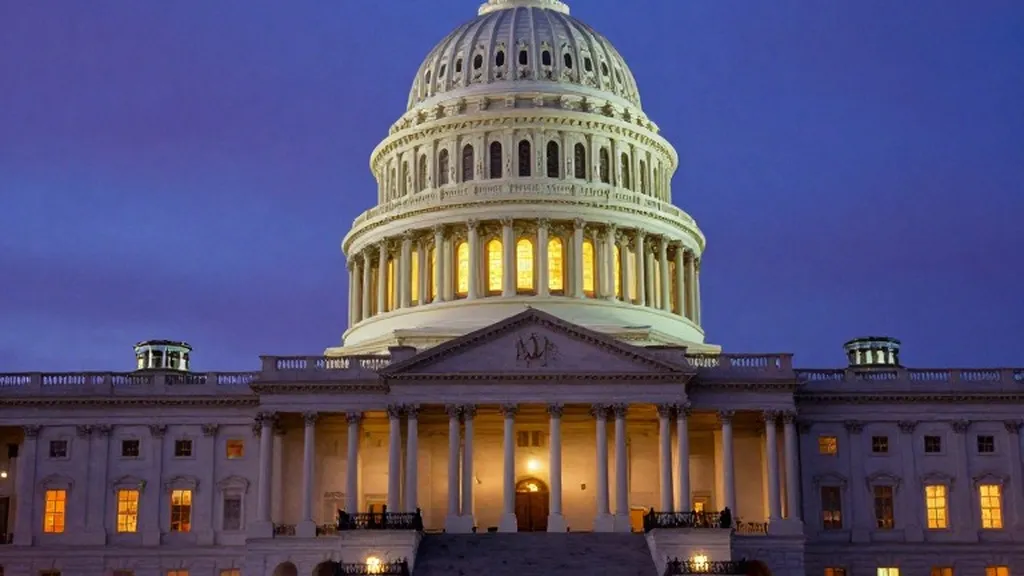
Democrats seize 54-44 Senate majority after winning seven contested seats
Republicans lost control of the chamber as Democrats flipped key battlegrounds, creating a new legislative dynamic for the final years of the current administration.
By Lucas Collins ·

The United States Senate is now controlled by the Democratic Party following the midterm elections held on Tuesday, November 3, 2026. According to data compiled by Ballotpedia as of 4:00 PM Eastern Time on November 6, Democrats have secured a majority of at least 54 seats to the Republican Party's 44. This shift represents a significant change in the balance of power in the upper chamber, which has been a key venue for legislative battles and judicial confirmations over the past two years. The election results indicate that Democrats won seven Senate seats that were previously held by Republicans. All seven of these gains came from seats that the Republican Party controlled prior to this cycle. This net loss for the Republican Party places the 2026 election cycle within the top 20 percent of election years in terms of seat swings against the party holding the presidency. Such a magnitude of change is often characterized as a wave election, signaling a strong voter preference for the opposition party during a midterm cycle.
The total number of Senate seats up for election in 2026 was 35, which is the standard number of seats renewed in a midterm election year. Each seat represents a two-year term, and the outcome of these races determines the control of the chamber for the next two years. The Democratic victory means they will hold the gavel and select committee chairs when the new Congress convenes in January. This control allows the majority party to set the legislative agenda and manage the flow of bills to the floor. The Republican minority will still hold significant power, particularly regarding the confirmation of federal judges and executive branch nominees, as the Senate retains its advisory and consent role. However, the loss of the majority status changes the dynamic of negotiations and the ability to pass party priorities without bipartisan support.
Analysts note that the Republican loss of at least seven seats is a substantial setback for the party that currently holds the White House. In historical context, such a loss is considered severe for the president's party. The threshold for a wave election against a sitting president's party is typically defined by a net loss of a specific number of seats. In this case, the seven-seat loss meets that high bar. This suggests that voters in the 13 battleground states where the outcome was closely contested favored the Democratic candidates. The specific states that flipped are part of this count, contributing to the overall shift in the chamber's composition. The Republican Party had held a majority in the Senate prior to these results, but the outcome has reversed that status.
The House of Representatives also saw a major shift, though the Senate results are the focus of this analysis. Democrats picked up at least 43 House seats, resulting in a majority of at least 250 to 157. While the House results are also significant, the Senate majority is particularly critical for the legislative process. The Senate's role in confirming cabinet members and treaties makes its control a major factor in the administration's ability to govern. The Democratic control of both chambers, as indicated by the results, creates a unified front that can pass legislation with fewer obstacles. This is in contrast to the divided government that existed before the election, where the president's party held one chamber and the opposition held the other.
The election took place on a Tuesday, as is customary for federal elections in the United States. The results were being reported over the following days, with the data point of 4:00 PM ET on November 6 serving as a snapshot of the finalizing counts. In some races, the margin of victory was narrow, but the overall trend was clear. The 13 battlegrounds that were closely watched throughout the campaign cycle ultimately decided the fate of the Senate majority. The candidates in these races campaigned heavily on issues such as the economy, border security, and healthcare. The fact that Democrats won all seven of the previously Republican-held seats indicates a broad appeal of their platform in these competitive districts.
Republicans lost control of the Senate, which means they will now be in the minority. This position requires them to work with the Democratic leadership to pass any legislation. The new Democratic majority will have the advantage in scheduling votes and managing procedural rules. The Republican Party will likely focus on its role as the opposition, investigating the administration and proposing alternative policies. The shift in power also affects the state of play for upcoming judicial appointments. With Democrats in control, the confirmation process for new federal judges may proceed differently, potentially leading to a more liberal bench if Democratic nominees are advanced.
The results also highlight the importance of midterm elections in shaping the political landscape. Midterms often serve as a referendum on the incumbent party's performance. In this case, the voters chose to shift power to the Democrats. This pattern is common in U.S. politics, where the party out of power often gains seats in midterm elections. However, the magnitude of the loss in the Senate is notable. It suggests that the Republican Party's messaging or candidate selection may have fallen short in these key states. The party will likely conduct internal reviews to understand what went wrong and how to regain strength in the next cycle.
The Democratic victory in the Senate means they will hold the majority for the next two years. This period will be crucial for implementing their legislative agenda. They will have the opportunity to push for changes in policy areas where they have strong support. The Republican minority will strive to protect their interests and prepare for the next election cycle. The balance of power in the Senate will also influence the tone of negotiations between the two parties. With a unified Democratic government, the pressure on the White House may increase, leading to more intense political debates and potential vetoes.