11 states face new district maps by 2026 midterms
Political analysts warn that late redistricting efforts could shift seat control in key battlegrounds, creating uncertainty for congressional candidates.
By Emmanuel Obasi ·
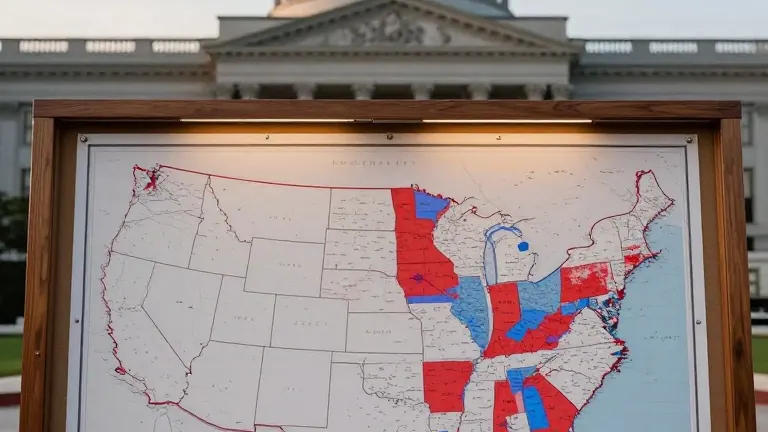
Eleven states are scheduled to adopt new congressional district maps ahead of the 2026 midterm elections. These changes alter the geographic boundaries where voters will cast ballots for the House of Representatives. The shift introduces a variable that election experts say could complicate the outcome of the general election.
The current redistricting cycle began following the 2020 Census. Each state was required to redraw its districts based on population changes. While many states completed this process using existing data, others faced legal challenges or delays. The result is a set of maps that are not yet finalized in all jurisdictions.
Tamara Keith and Amy Walter, both prominent political analysts, discussed the implications of these pending changes during a recent broadcast. They noted that late-arriving maps create a disadvantage for candidates who must register voters and fundraise within unfamiliar boundaries. Keith pointed out that incumbents often benefit from established name recognition in their old districts. However, new maps can place incumbents in competitive seats where they lack a strong base of support.
Walter emphasized the timing of these changes. She stated that having new maps in place less than two years before the vote leaves little time for candidates to build a local presence. This compressed timeline can lead to higher campaign costs and increased uncertainty. Both analysts agreed that the party with more resources may gain an edge in these newly drawn districts.
The specific states involved include Arizona, Colorado, and Pennsylvania, among others. In each of these locations, the new maps differ from the previous version. Some districts now cross county lines, while others consolidate urban and rural areas in new ways. These structural changes mean that the political makeup of each seat is likely to differ from the last election cycle.
Candidates in these states are already adjusting their strategies. Some are redoubling efforts to register voters in the new areas. Others are focusing on issue-based campaigns to appeal to the blended demographics of the new districts. The cost of advertising and ground operations is expected to rise as campaigns try to cover more territory.
The next major step in this process is the certification of final maps by state legislatures. Most states have set deadlines for this action in the coming months. Once certified, the maps become the official basis for voter registration and ballot design. This will set the stage for primary contests later in the year.
With the 2026 midterms approaching, the focus shifts to how these new boundaries will play out in practice. The analysts suggest that while the maps change the playing field, the outcome will still depend on national trends and local issues. The next few months will determine which districts remain competitive and which may swing to one party or the other.
Source: Cascade PBS