AP-NORC: High Prices and Tariffs Drive Voter Anxiety in North Carolina and Florida
Polling shows economic concerns leading the agenda, with voters in Raleigh and Palm Beach citing rising costs as the primary factor in their decisions today.
By Lucas Collins ·
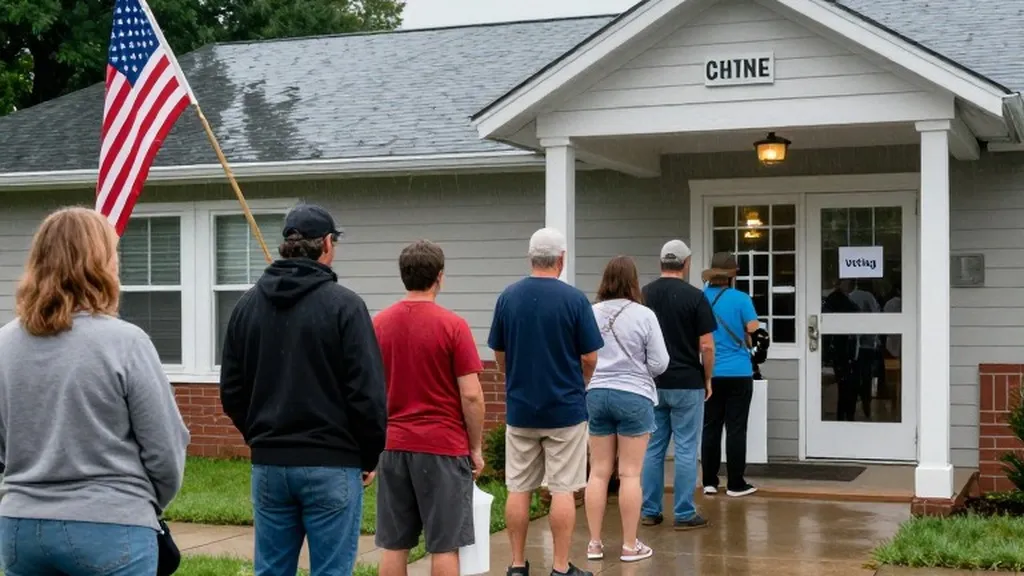
Voters across the United States are casting ballots on Tuesday, November 3, 2026, to determine the control of Congress for the final two years of President Donald Trump's second term. The Associated Press describes this midterm election as a referendum on the current administration, noting that many citizens are struggling with high prices and remain angry over an unpopular war with Iran. The outcome of the day will decide which party holds the majority in the House of Representatives and the Senate, setting the legislative landscape for the remainder of the presidential term.
Conducted on November 3, the economy has emerged as the central issue for many Americans. The data indicates that only 35 percent of U.S. Adults approve of President Trump's overall job performance, while approval of his handling of the economy stands at 25 percent. Approximately seven in ten respondents stated that the country is heading in the wrong direction. The majority of those surveyed blamed the president for the high cost of living, a sentiment that appears to be influencing voter behavior in both competitive and safe districts.
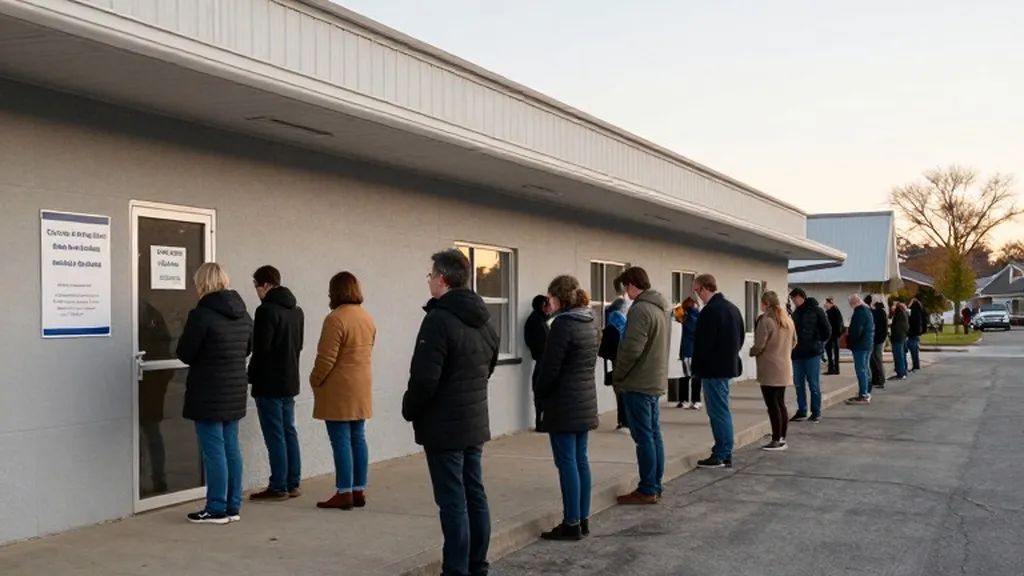
Polls are open in all fifty states, and more than 57 million people had already voted as of Monday, surpassing the early vote totals from four years ago in many closely watched states. In the House of Representatives, all 435 seats are on the ballot. Republicans currently hold 218 seats, while Democrats hold 214, with one independent seat and vacancies. Democrats require a net gain of three districts to secure a majority, whereas Republicans can afford to lose no more than two seats to maintain their position. Ballotpedia identifies 46 battleground districts, with 25 currently held by Democrats and 21 by Republicans.
In the Senate, 35 seats are up for election, including 33 regular races and two special elections. Republicans hold 53 seats, Democrats hold 45, and two independents caucus with the Democrats. Democrats need a net gain of four seats to take control of the chamber, while Republicans can lose only two seats to retain their majority. The AP notes that one or two seats could tip either chamber, highlighting the narrow margins that could define the next two years of governance. Republicans are bracing for the possibility of losing the House while fighting to hold the Senate, and Democrats are described as cautiously optimistic about their chances.
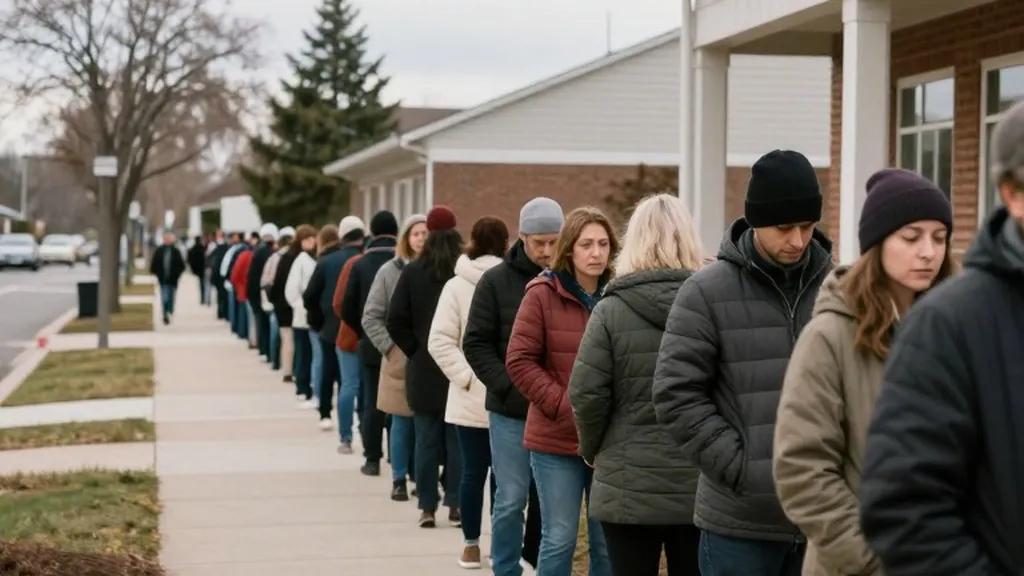
The economic strain is palpable in specific communities that are deciding the fate of key Senate seats. In Raleigh, North Carolina, voter James Moore, 57, a librarian, expressed frustration with the current economic conditions. Moore stated that he is paying more taxes, more for healthcare, and more for everything else. His comments reflect the broader sentiment captured in the AP-NORC data, where the cost of living is a primary driver of dissatisfaction. North Carolina is a critical battleground for the Senate, with Democratic former Governor Roy Cooper facing former Republican National Committee chair Michael Whatley in an open seat left by retiring Senator Thom Tillis.
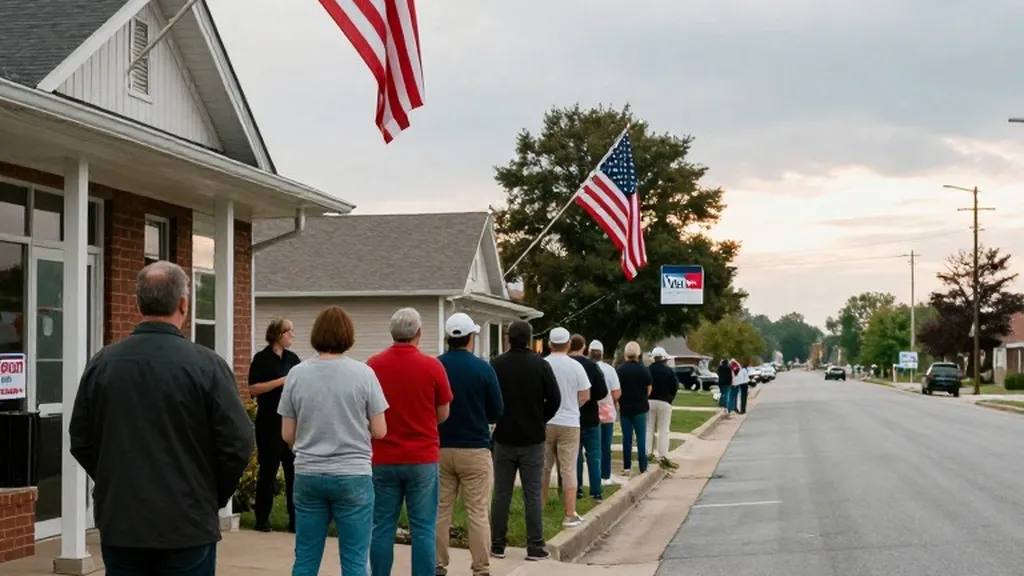
Contrasting views are evident in Florida, another pivotal state for Senate control. In Palm Beach Gardens, voter Mark Barker expressed support for the president, saying he has been following Trump the whole time and believes he is doing an awesome job. Florida is holding a special Senate election, with Republican Ashley Moody on the ballot. The state also has a competitive governor's race, and the AP notes that the Trump administration filed a lawsuit related to the certification of the Senate result in Alaska, a similar battleground where the administration is actively involved in the process. These legal and political maneuvers underscore the high stakes of the economic narrative being presented to voters.
Tariffs have been a significant part of the economic conversation, particularly in states like Maine, where economic strain and tariffs have made the race competitive. In Maine, Republican Senator Susan Collins faces Democratic former state Senate President Troy Jackson. The state voted for President Trump in 2024, but the economic pressures have turned the race into a toss-up according to several ratings organizations. Similarly, in Michigan, an open Senate seat is being contested by Republican former Representative Mike Rogers and Democrat Abdul El-Sayed, with the state having voted for Trump in the 2024 presidential election by a narrow margin.
President Trump held dozens of rallies in the lead-up to the election, ending his schedule on Sunday in Salina, Kansas. He told the crowd, 'I really want you to pretend I'm on the ballot.' Despite his active campaigning, many Republican candidates have kept their distance from the president. Trump has continued to make claims about voting fraud, including that noncitizens vote in large numbers, and his administration has sued in Alaska and California. Critics argue that these actions risk disenfranchising eligible voters, while supporters see them as necessary steps to ensure election integrity.
Financial considerations are also playing a role in the election's dynamics. The 2026 elections are likely to be the most expensive in history, with Republican committees outraising and outspending Democratic committees at the committee level. However, at the candidate level, Democrats have outraised their opponents. 88.1 percent of Republican general election TV ad spending went to states and districts that Trump won in 2024. This targeted spending reflects a strategy to lock in support in areas where the economic narrative may be more favorable to the Republican side.