Ten Governors' Races Define the Midterm Battleground
From Georgia to Vermont, voters decide control of key statehouses in a contest for the first Democratic governor majority in two decades.
By Emmanuel Obasi ·
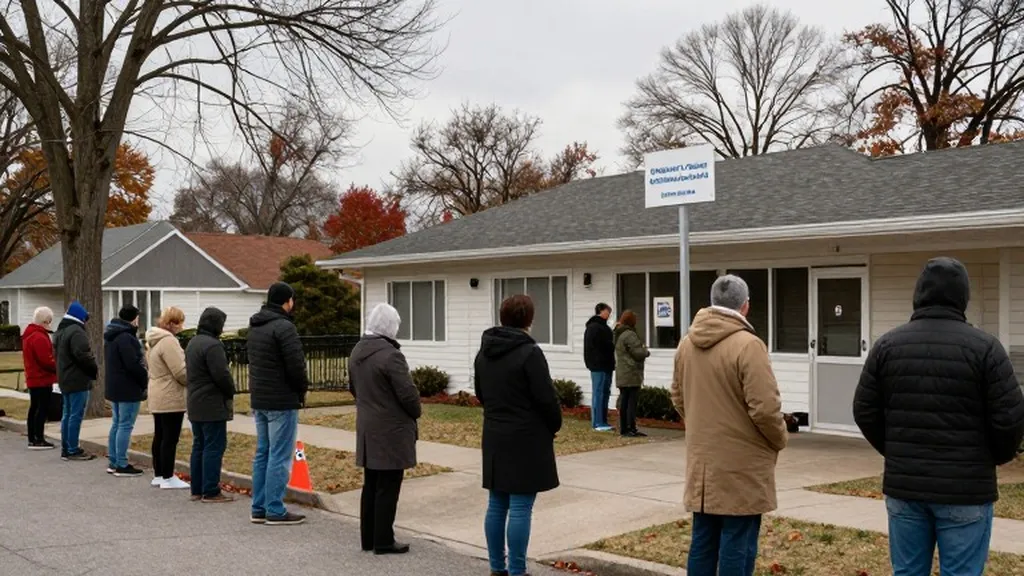
On Election Day, Tuesday, November 3, 2026, voters in ten states face pivotal choices in governor's races that will shape the balance of power for the next two years. These contests span a diverse geographic and political landscape, including Georgia, Nevada, Ohio, Arizona, Pennsylvania, Wisconsin, Kansas, Michigan, New Hampshire, and Vermont. Thirty-six governorships are up for grabs nationwide, with Republicans currently holding twenty-six offices and Democrats twenty-four. Among the offices on the ballot, each party holds eighteen seats, setting the stage for a direct contest over state leadership.
The political stakes are high because Democrats would need a net gain of two governorships to secure a nationwide majority, a position Republicans have held since 2010. This potential shift represents a significant milestone for the party, which has not commanded a majority of governorships in two decades. In states where Donald Trump won the presidency in 2024, Democrats are defending five governorships, including those held by Katie Hobbs in Arizona, Josh Shapiro in Pennsylvania, and incumbents or candidates in Kansas, Michigan, and Wisconsin. Conversely, Republicans are defending two governorships in states where Kamala Harris won: New Hampshire, where Governor Kelly Ayotte is running, and Vermont, where Governor Phil Scott seeks re-election.
In Georgia, the race pits Republican health care executive Rick Jackson against Democratic former Atlanta Mayor Keisha Lance Bottoms. They are competing to succeed Brian Kemp, who is not on the ballot. This contest is part of a broader trend where term limits and strategic choices have left nineteen of the thirty-six races without an incumbent. Fifteen governors are term-limited, while others like Wisconsin's Tony Evers and Minnesota's Tim Walz chose not to run. Rhode Island's Daniel McKee lost his primary, further altering the landscape for these open seats.
Nevada offers another key matchup between Republican Governor Joe Lombardo and Democratic Attorney General Aaron Ford. The state has seen high levels of early voting, with more than 57 million people having already cast ballots as of Monday, surpassing early vote totals from four years ago in many closely watched areas. The Associated Press notes that the election is being viewed as a referendum on President Trump's second term, with voters struggling with high prices and anger over an unpopular war with Iran. These economic concerns are central to the narratives in Nevada and other battleground states.
Ohio presents a high-profile contest between Republican Vivek Ramaswamy and Democrat Amy Acton. Ramaswamy's campaign faced significant attention due to an advertisement featuring Acton's estranged mother, which generated backlash. The Associated Press identifies Texas, Florida, and Iowa as other competitive governor races, though Ohio remains a focal point for both parties. The state uses a new congressional map after mid-decade redistricting, a change that affects seven states including Ohio, California, Florida, Missouri, North Carolina, Tennessee, and Texas. These new maps may influence how voters align with candidates in both House and gubernatorial races.
In Arizona, Democrats are looking to hold onto the governorship in a state Trump won in 2024. The race is part of a broader effort to maintain or expand Democratic control in the Southwest. Meanwhile, in Pennsylvania, Governor Josh Shapiro faces a challenge in a state that has traditionally been a battleground. The AP-NORC polling indicates that 35% of U.S. Adults approve of Trump's job performance, while 25% approve of his handling of the economy. About 7 in 10 say the country is heading in the wrong direction, with most blaming the president for high prices. These national sentiments are filtering down to state-level races, where candidates are emphasizing cost of living and economic stability.
Wisconsin and Kansas represent different political dynamics. In Wisconsin, Democrats are defending the governorship in a state that has been competitive in recent years. In Kansas, a reliably Republican state, the race is becoming central to the fight for Senate control, though the governor's race remains a distinct contest. The Associated Press notes that Kansas has seen increased attention due to its role in the broader midterm picture. In Michigan, Democrats are defending the governorship in another state Trump won in 2024, with the race likely to be close given the state's history as a swing state.
New Hampshire and Vermont offer contrasting scenarios for Republicans. In New Hampshire, Governor Kelly Ayotte is running in a state where Harris won the presidency in 2024. The race is particularly sensitive given the state's history of close elections and the recent retirement of Senator Jeanne Shaheen. In Vermont, Governor Phil Scott is seeking re-election in a state that has leaned Democratic in federal races but has a Republican governor. These races highlight the complexity of the midterm landscape, where party affiliations do not always align with statewide voting patterns.
Republicans were bracing to lose the House and fighting to hold the Senate, with one or two seats potentially tipping either chamber. Democrats, described as cautiously optimistic, are looking to win at least one chamber to initiate investigations and possible impeachment proceedings. House Democratic Leader Hakeem Jeffries has outlined a 100-day agenda focused on the cost of living and oversight, which resonates with voters concerned about economic strain. The governor's races in these ten states are integral to this broader strategy, as state leadership can influence policy implementation and party momentum.
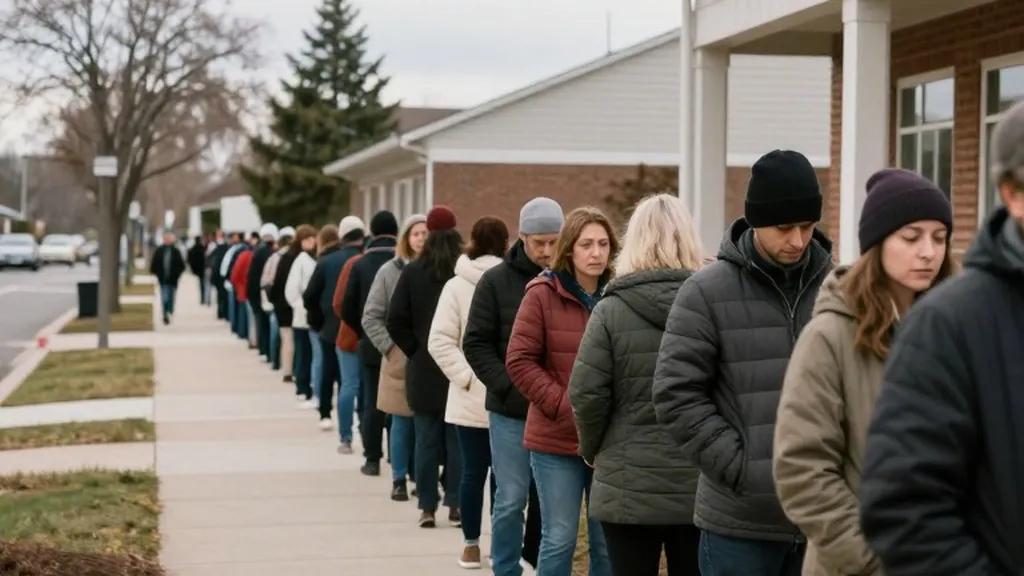
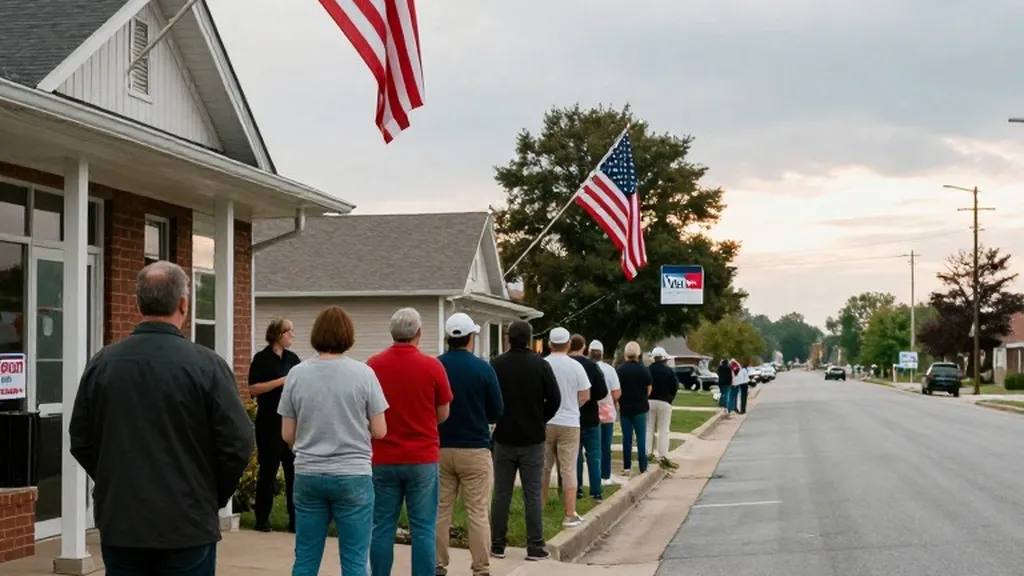
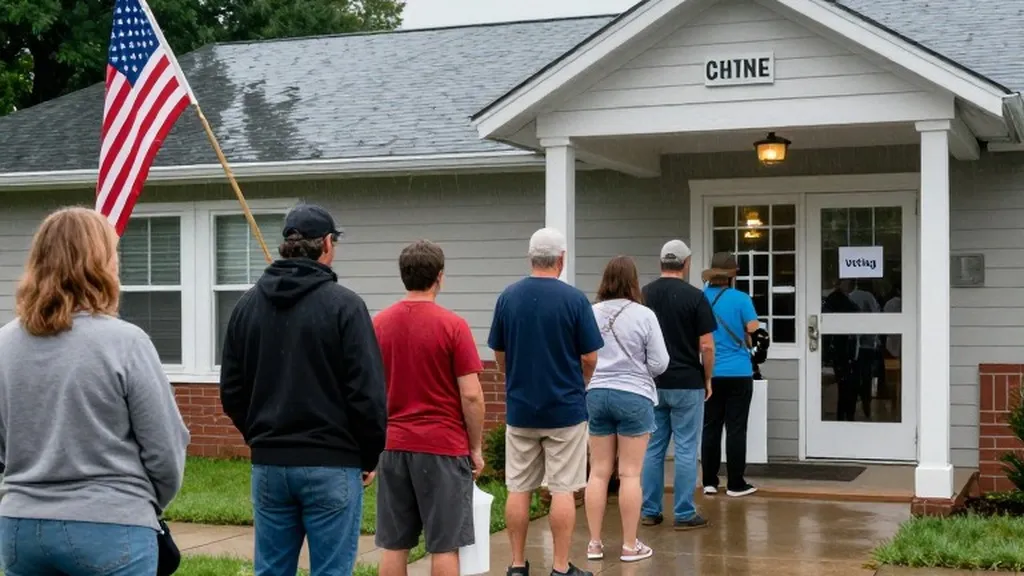
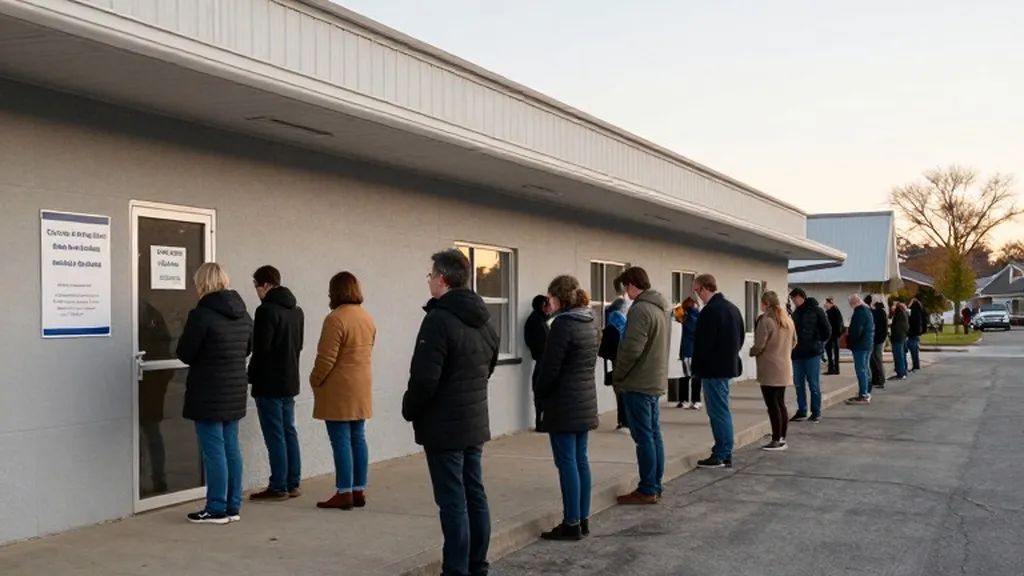
As polls open, voters in these states are making decisions that will impact the balance of power in Washington and in their own statehouses. The Associated Press describes the election as a critical moment for the country, with voters weighing their dissatisfaction with current economic conditions against their support for specific candidates. The results of these ten governor's races will provide a clear indicator of the direction of the midterm elections, offering insights into voter sentiment and the effectiveness of political strategies. With polls open and results pending, the focus remains on what is being decided and the actions voters are taking to shape their futures.