Midterm Watch: Key Senate and Governor Races in Trump-Won States
Voters in 36 states decide control of Congress and statehouses on Election Day, with focus on competitive races in the South and Midwest.
By Thabo Hoffmann ·

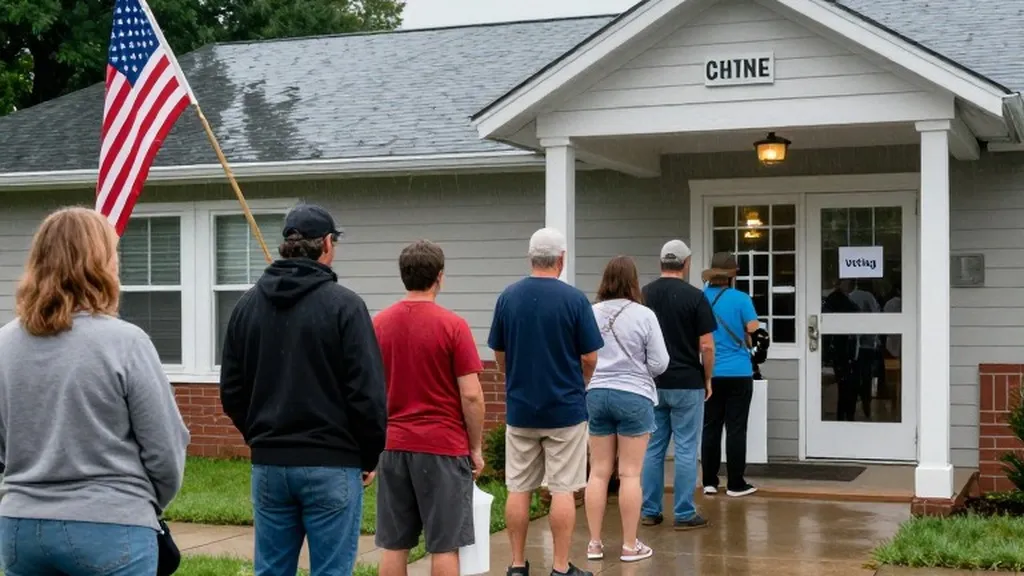
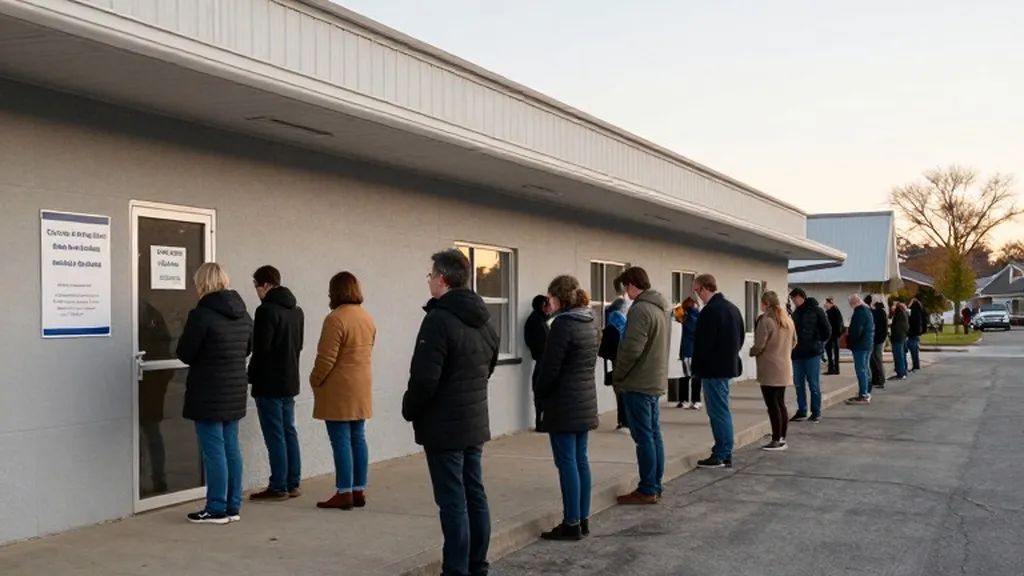
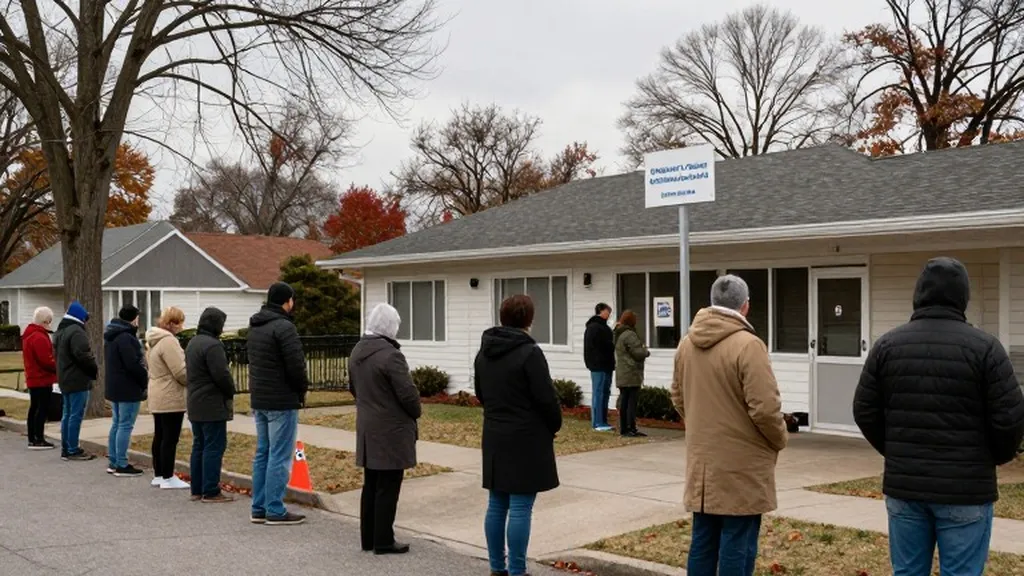
Polls are open across the nation as voters head to the polls to decide the composition of Congress for the final two years of President Donald Trump's second term. The Associated Press describes the election as a referendum on the administration, with many voters expressing frustration over high prices and the ongoing conflict with Iran. More than 57 million people had already cast ballots before Tuesday, a figure that surpasses the early vote totals from four years ago in many closely watched states. This high level of early participation suggests a robust turnout that could influence the final margins in tight districts.
The race for control of the U.S. Senate is particularly tight, with 35 of 100 seats up for grabs. Republicans currently hold 53 seats and Democrats hold 45, with two independents caucusing with the minority. Democrats need a net gain of four seats to secure a majority, while Republicans can afford to lose only two. Eleven senators are not running again, including four Democrats and seven Republicans, creating several open seats that may shift the balance of power. Winners in these races will begin their six-year terms on January 3, 2027.
In the U.S. House of Representatives, all 435 seats are contested. Republicans hold 218 seats and Democrats hold 214, with one independent seat and several vacancies. Democrats require a net gain of three districts to achieve a majority, whereas Republicans can lose no more than two seats. Ballotpedia has identified 46 battleground districts, with 25 held by Democrats and 21 by Republicans. The outcome in these districts will determine which party controls the lower chamber and its agenda for oversight and legislation.
Governors' races offer another key indicator of political sentiment, with 36 governorships on the ballot. Republicans currently hold 26 governorships and Democrats hold 24. Of the offices being contested, each party holds 18. Nineteen of these races are without an incumbent, as 15 governors are term-limited and others have chosen not to run or lost in the primary. Democrats would need to gain two governorships to achieve a nationwide majority, a position Republicans have held since 2010. Control of statehouses can influence redistricting and state-level policy priorities.
Several Senate races in states that voted for President Trump in 2024 are considered competitive. In Georgia, Democratic Senator Jon Ossoff faces Republican Representative Mike Collins in a state that Trump won by 2.2 points in 2024. In North Carolina, Democratic former Governor Roy Cooper challenges former Republican National Committee chair Michael Whatley for the seat vacated by retiring Senator Thom Tillis. The AP notes that these races are critical for Democrats to flip seats in states that have historically leaned Republican in recent presidential cycles.
Other key Senate matchups include the open seat in Michigan, where Republican former Representative Mike Rogers faces Democrat Abdul El-Sayed. In Texas, Republican Attorney General Ken Paxton, who was endorsed by President Trump over Senator John Cornyn in the primary, runs against Democrat James Talarico. In Ohio, Democratic former Senator Sherrod Brown faces Republican Senator Jon Husted in a special election. These races are seen as bellwethers for the administration's standing in the Midwest and South.
Governor races in states Trump won in 2024 are also drawing attention. In Georgia, Republican health care executive Rick Jackson faces Democratic former Atlanta Mayor Keisha Lance Bottoms. In Nevada, Republican Governor Joe Lombardo challenges Democratic Attorney General Aaron Ford. In Ohio, Republican Vivek Ramaswamy faces Democrat Amy Acton. The AP identifies Texas, Florida, and Iowa as competitive governor races where the outcome could shift the balance of state leadership.
The Associated Press and NORC polling indicates that 35 percent of U.S. Adults approve of President Trump's job performance, while 25 percent approve of his handling of the economy. About seven in 10 Americans say the country is heading in the wrong direction, with most blaming the president for high prices. These numbers suggest a divided electorate where economic concerns are a dominant factor. Voters in battleground states are weighing these national sentiments against local issues and candidate records.
Republican committees have outraised and outspent their Democratic counterparts, aided by Trump-affiliated groups and contributions from Elon Musk. At the candidate level, however, Democrats have outraised their opponents. 88.1 percent of Republican general election TV ad spending went to states and districts that Trump won in 2024. This heavy investment in red states reflects the party's strategy to defend its base while targeting vulnerable seats in the House and Senate.
Election administration issues have also played a role, with a federal judge temporarily barring the Trump administration from implementing a plan to prevent noncitizen voting. Another judge ordered the administration to stop demanding that California election officials segregate ballots cast by people on its lists of suspected noncitizens. The U.S. Postal Service added hours and staff to ensure mail ballots are counted on time. These legal and logistical developments have raised questions about the smoothness of the vote counting process in several states.
Republican National Committee Chairman Joe Gruters emphasized the importance of turnout, stating that if the party turns out its voters, they will win. Democratic Congressional Campaign Committee Chair Representative Suzan DelBene countered that the American people are angry and want change. These statements highlight the strategic focus of both parties as they monitor results throughout the day. The outcome will likely determine the trajectory of legislative priorities and oversight activities in the coming years.