Midterm Map: 36 Governor Races Set Stage for 18 to 18 National Split
With 19 open seats and nine battleground states, voters decide the next balance of power in executive offices as both parties fight to retain their narrow majorities.
By Emmanuel Obasi ·
The 2026 midterm election presents a unique structural challenge for state executives, with 36 governorships on the ballot across the country. The current distribution of power sees Republicans holding 26 governor’s offices and Democrats holding 24. However, among the specific 36 races currently in play, the split is perfectly even, with each party defending 18 seats. This precise parity creates a high-stakes environment where a net gain of just two governorships would allow Democrats to claim a nationwide majority for the first time since 2010, a milestone they have pursued for two decades.
A significant portion of these races lacks an incumbent, adding an element of unpredictability to the contests. 19 of the 36 governor races have no sitting governor on the ballot. This vacancy is driven largely by term limits, which apply to 15 of these positions. In three other cases, governors chose not to seek re-election: Kim Reynolds in Iowa, Tim Walz in Minnesota, and Tony Evers in Wisconsin. Rhode Island also faces an open seat after Governor Daniel McKee lost his primary challenge. These open seats often invite more competitive campaigns as voters weigh new faces without the advantage of a track record in office.
Nine states have been identified as battlegrounds for governor’s analysis. These include Alaska, Arizona, Georgia, Iowa, Kansas, Michigan, Nevada, Ohio, and Wisconsin. The dynamics in these states vary widely. Democrats are tasked with defending governorships in five states that Donald Trump won in 2024, specifically Arizona, Kansas, Michigan, Pennsylvania, and Wisconsin. Conversely, Republicans are defending two governorships in states that Kamala Harris won, namely New Hampshire and Vermont. This cross-party defensive posture highlights the complexity of the current political landscape, where presidential voting patterns do not always align with gubernatorial outcomes.
The Associated Press and PBS NewsHour have highlighted several key matchups that will define the tone of the evening. In Georgia, Republican health care executive Rick Jackson faces Democratic former Atlanta Mayor Keisha Lance Bottoms to succeed Brian Kemp. In Nevada, Republican Governor Joe Lombardo is challenged by Democratic Attorney General Aaron Ford. Ohio presents a high-profile contest between Republican Vivek Ramaswamy and Democrat Amy Acton, a race that has drawn national attention due to recent advertising disputes. The AP also notes that Texas, Florida, and Iowa are considered competitive, with voters weighing local issues against the national mood.
The mood leading into Election Day is characterized by economic anxiety and a desire for accountability. The election is a referendum on President Trump’s second term, with voters struggling with high prices and anger over an unpopular war with Iran. 35% of U.S. Adults approve of Trump’s job performance, while only 25% approve of his handling of the economy. About seven in ten Americans say the country is heading in the wrong direction, with most blaming the president for rising costs. This sentiment is driving voter behavior, with many citing the cost of living as their primary concern at the ballot box.
Turnout is a critical factor in these 36 races, as emphasized by Republican National Committee Chairman Joe Gruters. Gruters stated that everything depends on turnout, asserting that if Republicans turn out their voters, they win. This strategy is particularly relevant in the open seats where name recognition is lower. More than 57 million people had already voted as of Monday, surpassing early vote totals from four years ago in many closely watched states. This high level of early participation suggests that the final outcome will depend on how strongly each party mobilizes its base in the final hours of voting.
Money is playing a significant role in shaping these governor races, with the 2026 election likely to be the most expensive in history. Republican committees have outraised and outspent Democratic committees, aided by Trump-affiliated groups and Elon Musk. However, at the candidate level, Democrats have outraised their opponents. Analysis by the AP of AdImpact data shows that 88.1% of Republican general election TV ad spending went to states and districts that Trump won in 2024. This spending pattern indicates a focus on consolidating support in Republican-leaning areas, which may influence the outcome in several of the open governor seats.
The administrative side of the election has also seen recent developments that could impact voter confidence. A federal judge temporarily barred the Trump administration from carrying out a plan to prevent noncitizen voting, a move critics say risks disenfranchising eligible voters. Additionally, a judge ordered the administration to stop demanding that California election officials segregate ballots from suspected noncitizens. These legal actions have heightened scrutiny on how votes are counted and processed, particularly in states with large populations of immigrants.
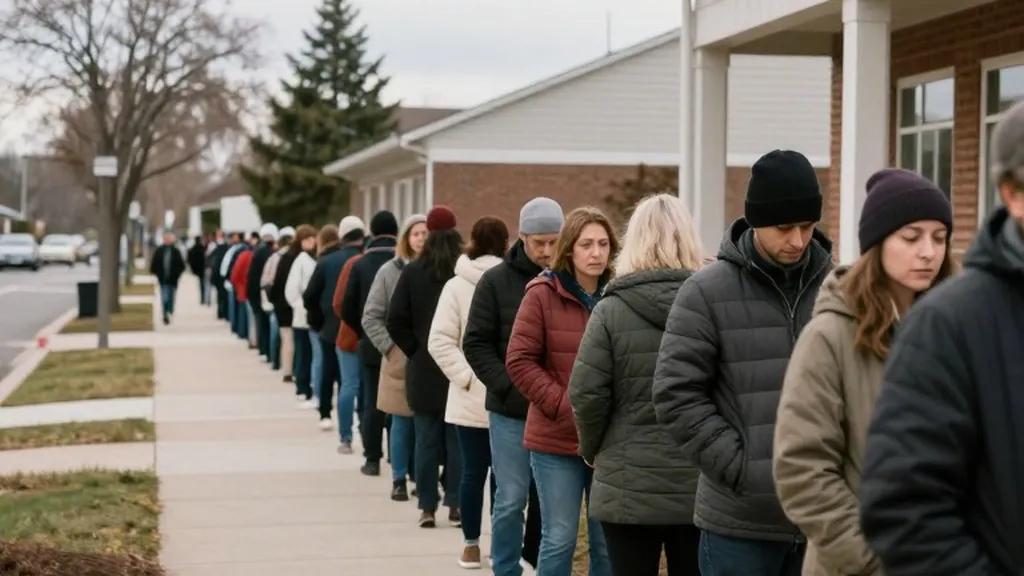
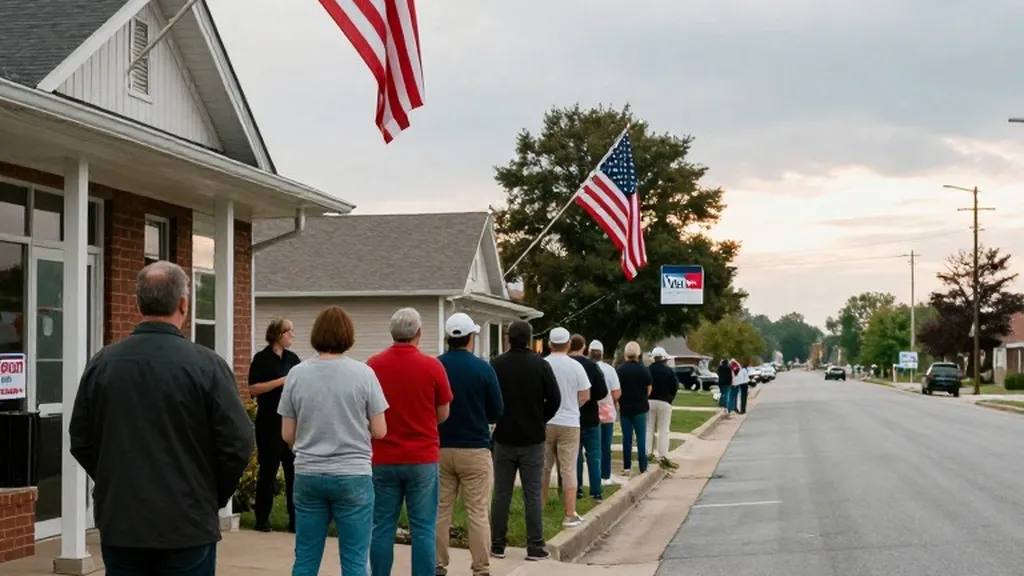
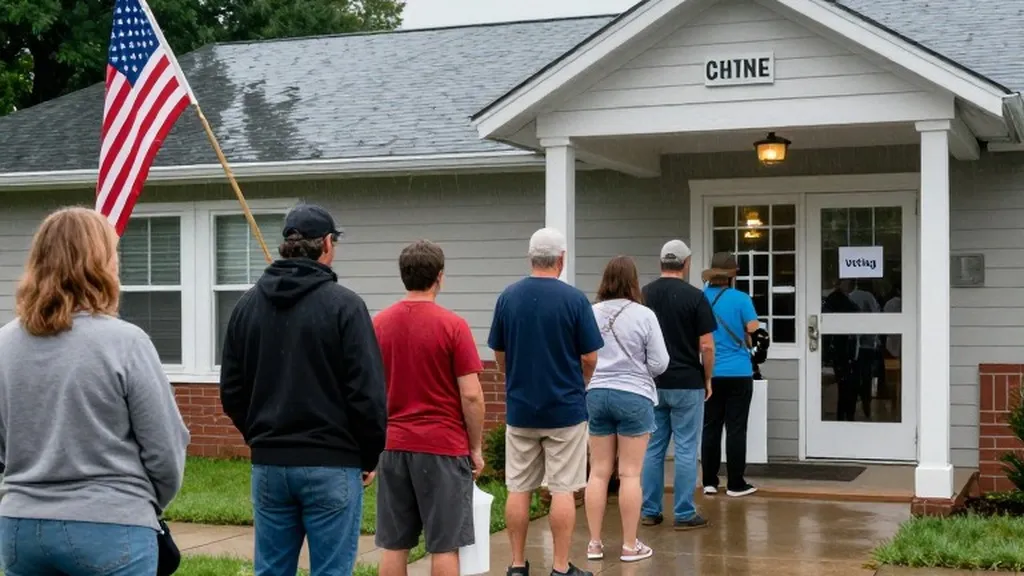
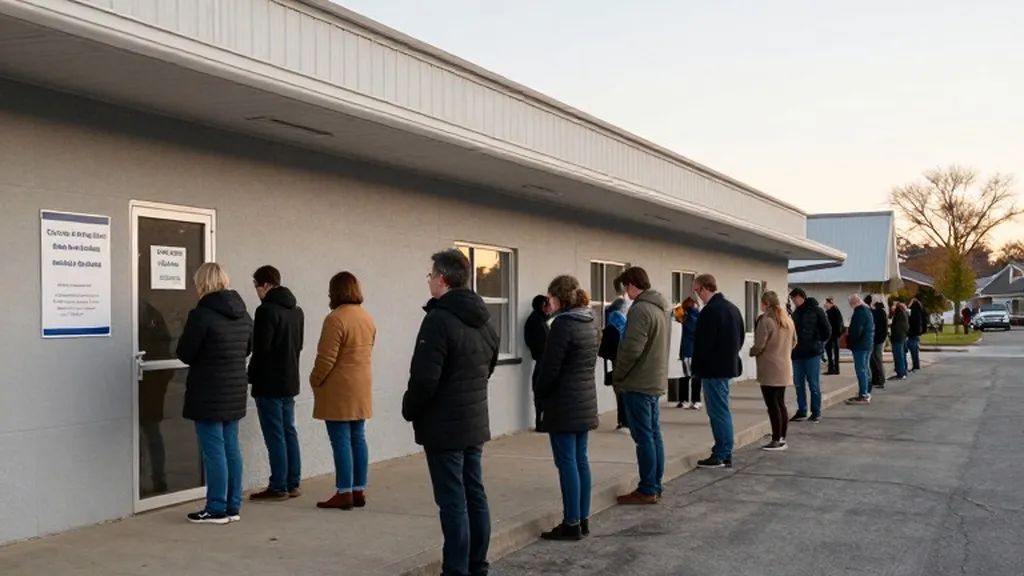
For voters heading to the polls today, logistics remain important. Poll hours vary by state, with many opening at 7 a.m. And closing between 7 and 8 p.m. Local time. Some states, such as California and Oregon, rely heavily on mail-in ballots, while others like New York remain open until 9 p.m. Anyone in line when polls close is entitled to vote, and ID rules vary by state. Voters are encouraged to check their local rules to ensure a smooth experience as they cast their ballots for these 36 executive offices.
The stakes extend beyond just the governor’s mansion. The results of these 36 races will influence the control of state legislatures and policies on the economy and border security. If Democrats gain the two seats needed for a nationwide majority, it would signal a significant shift in state-level power. Republicans, meanwhile, are fighting to maintain their current advantage and avoid the typical midterm loss pattern. The final tally will be determined by how voters in these 36 states weigh their local concerns against the national narrative of this pivotal election cycle.