Israel Votes: Netanyahu Leads Tight Knesset Race
Record 77.7% turnout in first election since 2023, as final seat counts hinge on complex coalition math.
By Emmanuel Obasi ·

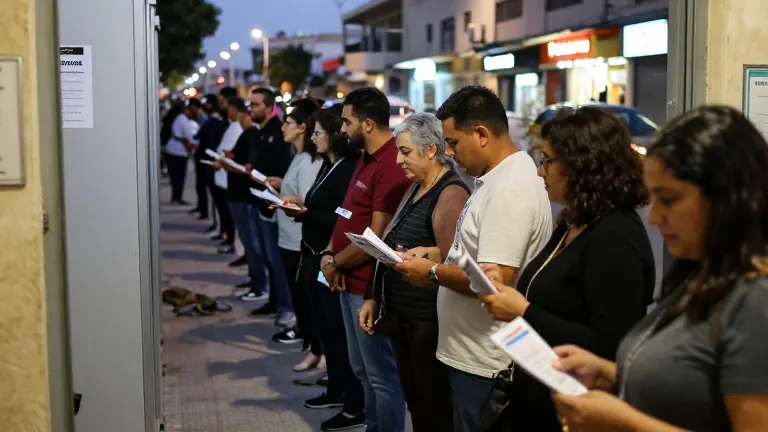
Prime Minister Benjamin Netanyahu held a narrow lead over former military chief Gadi Eisenkot in early exit polls from Tuesday's Israeli general election. The Central Elections Committee reported that 77.7% of eligible voters had cast ballots by 10 p.m., marking the highest participation rate in the country since 1999. This surge in civic engagement coincided with the first parliamentary vote since the October 2023 Hamas attack and the subsequent regional conflicts.
Netanyahu has served as prime minister for nearly two decades across multiple terms. He faces pressure from citizens who question his security strategy following the deadly assault on Oct. 7, 2023. Reports that the government received repeated warnings from regional allies about a planned Hamas attack have fueled public debate. The ongoing wars in Gaza and policies in the West Bank have also strained international relations, a concern voiced by many voters during the campaign.
Voter sentiment split sharply between those seeking change and those favoring continuity. Naama Aaronsohn, a voter who supported replacing Netanyahu, called the election "much more than important." Itamar Ariel, who voted for Netanyahu, cited national security as the primary reason for his choice. Nur Abu Na, a 30-year-old nurse from a majority-Arab area, stated that the current government is "not good for us." Netanyahu used social media to highlight high Arab turnout and urged his base to vote, framing the election as a decisive moment for the right-wing coalition.
Preliminary results indicate that Netanyahu's Likud Party secured the most seats in the 120-member Knesset, with Eisenkot's Yashar party in second place. No single party or bloc achieved a majority. Shira Efron, a policy analyst at the Rand Corp., described the outcome as "very good" for Eisenkot. At a celebration in Tel Aviv, Eisenkot declared, "We made history! The public has voted for change." However, analysts noted that the final map could shift as votes are counted and negotiations begin.
Counting continued into Wednesday, with the possibility of a protracted coalition-building process. Opposition supporter Ophelie Namiech expressed anxiety over the complexity of the results. "It takes time before we have a full picture," she said. If Eisenkot's bloc is tasked with forming a government, difficult political negotiations may delay the start of a new administration by days or weeks.
Netanyahu supporters gathered in Jerusalem for an election night event featuring military footage and endorsements from President Donald Trump. Trump urged Israeli voters to reelect Netanyahu to "finish the job." Elie Pieprz, a Likud supporter, predicted that Netanyahu would overcome early polling challenges, citing his history of political survival. He argued that voters would prioritize unity during wartime, particularly with the U.S.
Addressing his base in the early hours of Wednesday, Netanyahu claimed a "singular historical opportunity" to address the Iranian threat alongside President Trump. He confirmed that Likud was the largest party in the Knesset and vowed to assemble a "strong right-wing, national government." The final tally of seats remains pending as authorities complete the vote count.
Source: KNKX Public Radio