Venezuelan Politics: Machado Returns After US Secures 100-Year Oil Concession
The opposition leader drove 1,000 miles to Caracas after the Trump administration cleared her path, marking a shift in Washington's strategy toward the Rodriguez government.
By Thabo Hoffmann ·
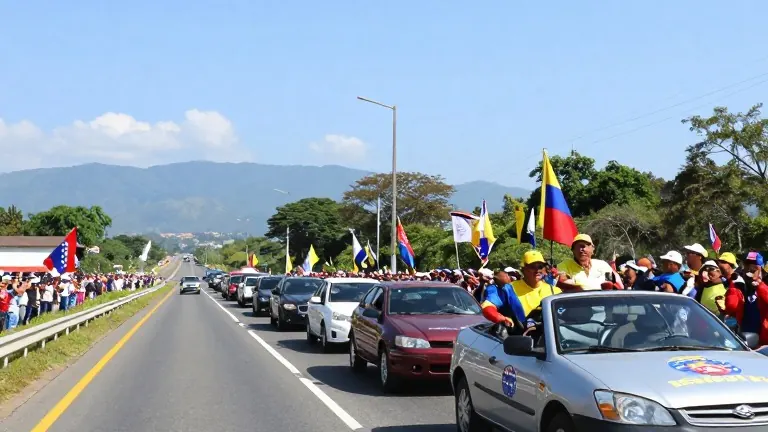
Sixty-five billion barrels of Venezuelan crude oil are now subject to a 100-year US concession, a deal signed by the Trump administration that reshaped the political calculus in Caracas. Maria Corina Machado drove from the western state of Lara to the capital on October 25, marking her first return to the country since slipping out at night in December to accept the Nobel Peace Prize.
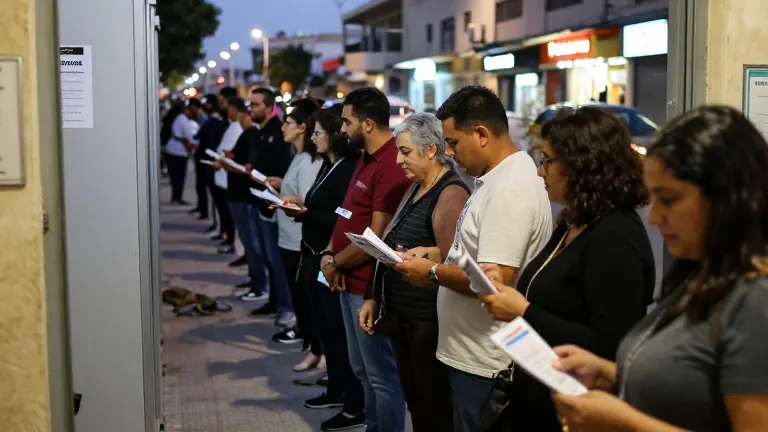
The journey was met with large crowds along the route, a stark contrast to her covert departure ten months earlier. During that exit, the Venezuelan government had blocked her return on multiple occasions. The Trump administration also previously held her back, stating the timing was not right. That assessment changed recently, allowing Machado to cross the border and travel by land to the capital.
The power vacuum left by Nicolas Maduro, who was removed by US troops on January 3 and now faces charges in New York, has placed Delcy Rodriguez in charge. Rodriguez, formerly Maduro's vice-president, has pursued a cooperative path with Washington. She signed the oil deal with North American Blue Energy Partners, a private company led by Alejandro Betancourt. The agreement grants the US control over a substantial portion of Venezuela's reserves.
Machado has criticized the deal, focusing her critique on the Rodriguez government and Betancourt rather than the US. She aims to preserve the goodwill of President Trump, to whom she awarded her peace prize. Trump has publicly praised Rodriguez, calling her wonderful and a terrific person, a reversal from his previous characterization of her administration as narco-communists.
Political analyst Benigno Alarcon described Machado's return as the most important political event since January 3. He noted that her presence on the ground strengthens the opposition's position compared to its time in exile. The public mood has shifted as well. A joint study by the think tanks Polis and Nexo found that Venezuela experienced three times as many street protests in the first nine months of 2026 as it did in all of 2025. The study also indicated that repression of these demonstrations has decreased by more than half.
US Secretary of State Marco Rubio attributed Machado's safe return to US-supported reconciliation talks between the government and the opposition. These negotiations aim for a broader political solution. Machado still faces legal charges in Venezuela, including treason and conspiracy of insurrection, which her supporters have long dismissed as politically motivated.
Rodriguez referred to Machado's homecoming as a show. State television ignored the event, which was livestreamed by supporters over the weekend. However, Rodriguez appears open to talks with Machado to maintain a stable relationship with Washington. Reports suggest that Secretary Rubio influences major decisions in Venezuela through regular calls with the interim president.
Machado made at least eight attempts to return to the country by air and sea before receiving the green light from the US. Her return signals that the opposition has a leader physically present in the country. Young supporters in Caracas reported that their fear of demanding change is fading. The political landscape has shifted from one of covert opposition to open mobilization, driven by the new dynamic between Caracas and Washington.
Source: BBC News