SpaceX: Analysts Race to Upgrade Targets on AI-Driven Growth
Following a stellar earnings call, Wall Street analysts have issued a flurry of upgraded price targets for SpaceX.
By Thabo Hoffmann ·

A stunning 161% year-over-year revenue jump to $14.6 billion has sent Wall Street into a frenzy, triggering a wave of sharply higher price targets for SpaceX stock. The company's third-quarter 2026 report, released after the market closed on October 20, significantly outperformed analyst expectations and demonstrated a dramatic swing to profitability, with a net profit of $4.4 billion compared to a loss in the prior year. This robust financial performance, highlighted by an adjusted EBITDA of $8.8 billion, has prompted a swift reevaluation of the company's long-term growth trajectory.
In a rapid response to the bullish financial results, major financial institutions immediately revised their outlooks upward. JPMorgan stands out, more than doubling its price target to $500 from a previous $240 while maintaining an Overweight rating. Other notable increases include Cantor Fitzgerald lifting its target to $345 from $246, Barclays raising its figure to $300 from $254, and Citi increasing its target to $240 from $200. UBS and TD Cowen also moved their targets to $230 and $224, respectively. Morgan Stanley affirmed its Overweight rating with a $300 target.
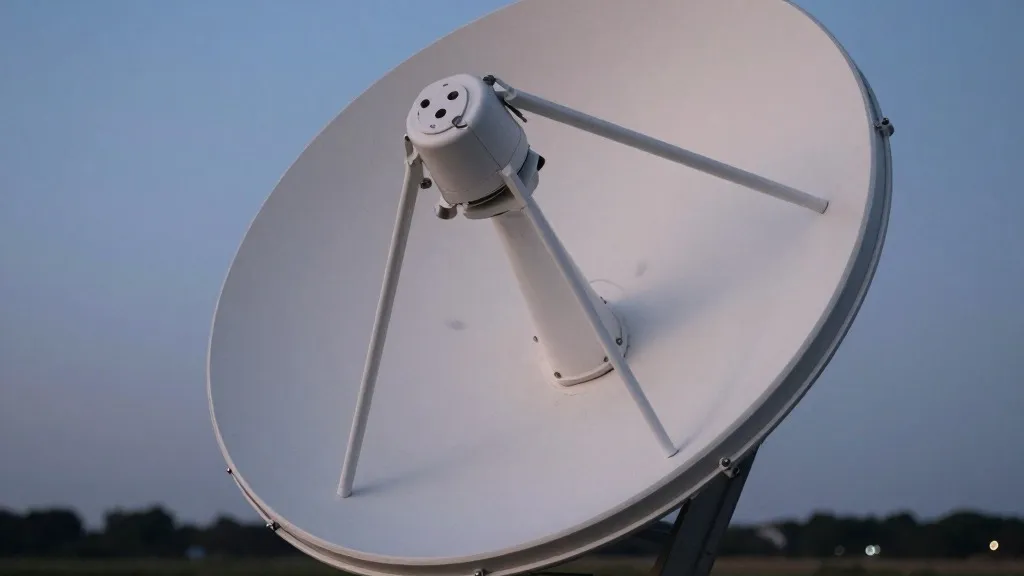
Analysts broadly cited the company's strong quarterly performance as a primary driver for their optimistic revisions, but they also pointed to several strategic growth areas. The acceleration in the Super Intelligence (AI) division, which generated approximately $7.6 billion to become the company's largest revenue contributor, was a key factor. Progress in the Starlink connectivity segment, which saw its consumer base grow to 13.6 million, alongside recent Starship milestones, further fueled confidence in the company's long-term earnings power. Other firms, including Wells Fargo and Clear Street, also adjusted their targets higher to $274 and $248.
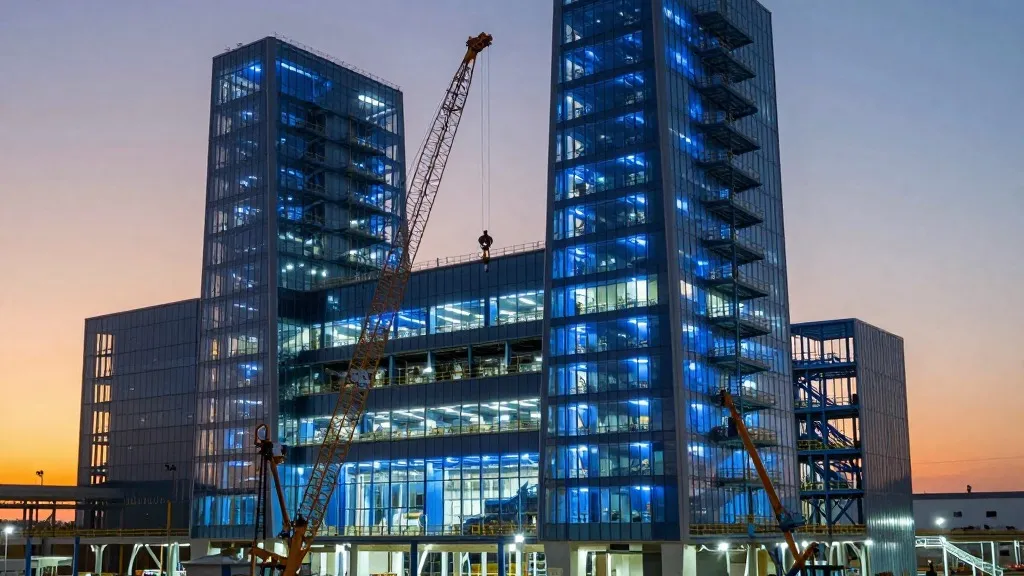
The company's earnings call served as a further catalyst, with CEO Elon Musk and CFO Bret Johnsen outlining future plans that significantly exceeded analyst models. They projected revenue for the first quarter of 2027 to be between $33 billion and $37 billion, far surpassing the approximately $22 billion figure analysts had anticipated. The call also detailed massive fourth-quarter capital-expenditure plans of $35 billion to $40 billion, focused on expanding AI compute infrastructure at sites including Memphis and Southaven.
Looking ahead, the company is targeting 2.5 to 3 gigawatts of nameplate compute capacity by the end of the year and discussed pathways to 13 gigawatts or more by the end of 2027. Musk described relentless demand for this capacity, with pricing that supports payback periods of less than a year. These forward-looking statements, combined with the strong quarterly results, have fueled a surge in investor confidence.
Following the market close on October 20, where shares ended at $147.79, the stock jumped roughly 8% in early premarket trading on October 21 as investors and analysts digested the results. While elevated spending remains a point of focus for the company, the average analyst price target has moved higher, reflecting a broader consensus of growing conviction in SpaceX's trajectory across launch, connectivity, and its AI business.
Source: Teslarati · original report published
More Business · Consumer Watch · Report a business · Got a Story?