Tesla's New Robot Line Produces First Commercial-Grade Units
The company is ramping up production in Fremont to meet a goal of 20,000 robots per week, while developing an internal training system to improve AI capabilities.
By Emmanuel Obasi ·
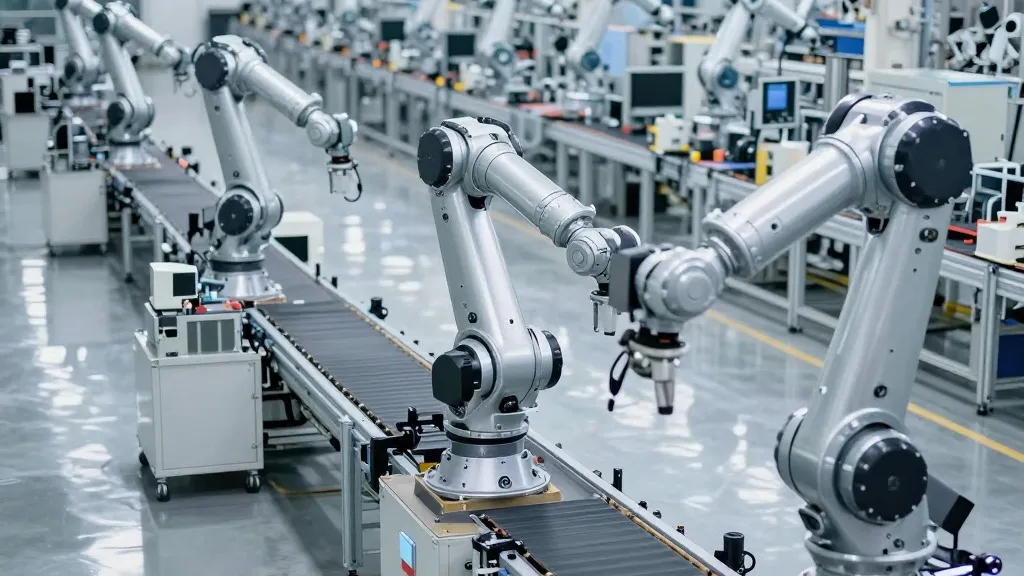
For manufacturers and logistics providers looking to automate their facilities, Tesla has reached a critical milestone in its humanoid robot program. The company has confirmed that the first units rolling off its high-volume production line meet the standards required for commercial sale. This marks the transition from experimental prototypes to durable products designed for real-world industrial environments, specifically for tasks that are dangerous, repetitive, or require around-the-clock operation.
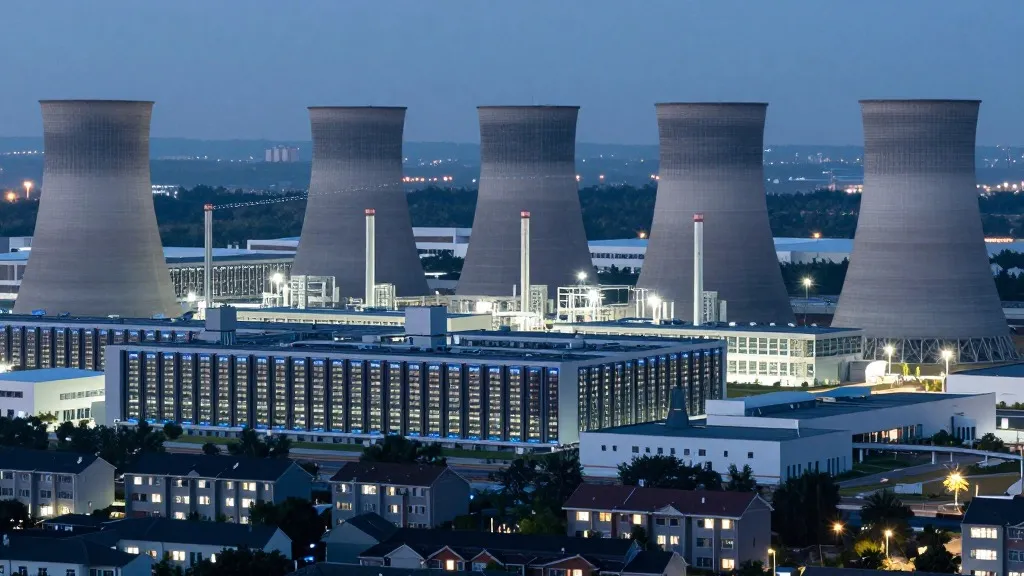
The shift in production capacity is significant in scale. Tesla has converted space within its Fremont factory, previously used for Model S and Model X vehicles, to house this new line. The company cleared the old vehicle assembly area in just 46 days to make room for a facility sized to handle one million units annually. Current equipment in place supports a ramp-up toward approximately 20,000 robots per week. While CEO Elon Musk describes the initial growth phase as a shallow slope on an S-curve, the physical infrastructure is already largely installed to support this surge in output.
A central challenge for Tesla has been how to train these robots without the benefit of a massive existing fleet to gather data. Unlike its vehicles, which rely on millions of cars sending real-world driving data back to headquarters, the Optimus robots lack a similar network. To solve this, the company is establishing an internal program referred to as the Optimus Academy. This system will utilize between 10,000 and 20,000 robots to practice a wide variety of tasks. Every unit produced will feed its operational data into the next version of the AI model, creating a continuous loop of improvement that does not depend on external customers for training inputs.
The hardware accompanying this software strategy is also undergoing upgrades. Tesla plans to integrate its AI5 chip into the robots next year to enhance processing power. In the coming months, the company expects to release new footage demonstrating the robots completing tasks driven by artificial intelligence rather than preprogrammed motions. Musk has positioned this approach as a distinct advantage over rival humanoid demonstrations, which he argues often rely on scripted routines that may not perform reliably in unstructured environments.
The supply chain for this expansion is already in motion. Earlier this year, Tesla certified three major partners, Tuopu, Joyson, and Sanhua, for mass production of key components. Meanwhile, a much larger dedicated factory is under construction at Giga Texas. Recent drone footage indicates the steel frame of that facility is nearing completion. Tesla has set a long-term target for that plant to produce 10 million robots per year, signaling an ambitious long-horizon view of the market.
From an engineering standpoint, the company is focusing heavily on the robot's hands, which remain the most complex part of the design. Executives noted that production costs for the Optimus are trending in line with the manufacturing cost of the Cybercab, suggesting the robot is being engineered for volume from the outset. The team is currently refining the electromechanical design, reliability, and service life, with completion of these improvements expected by the end of next year. Once that timeline is met, Tesla plans to begin delivering the robots to outside companies, starting the process of placing these machines into industrial workflows across the region and beyond.
Source: Teslarati · original report published