Tesla moves Optimus robot delivery date to late 2027
Musk cites mechanical and software hurdles as the reason for the timeline shift.
By Lucas Collins ·
The race to deploy general purpose humanoid robots has entered a new phase of realistic expectations. Tesla has officially pushed its target for external Optimus deliveries to late 2027, a significant shift from previous internal and public projections.
During the third quarter 2026 earnings call, Elon Musk explained that the robot faces three primary obstacles. These include the mechanical design of the hands, overall durability, and the artificial intelligence required for operation. He stated that these issues must be resolved before the machines can be sold to outside companies.
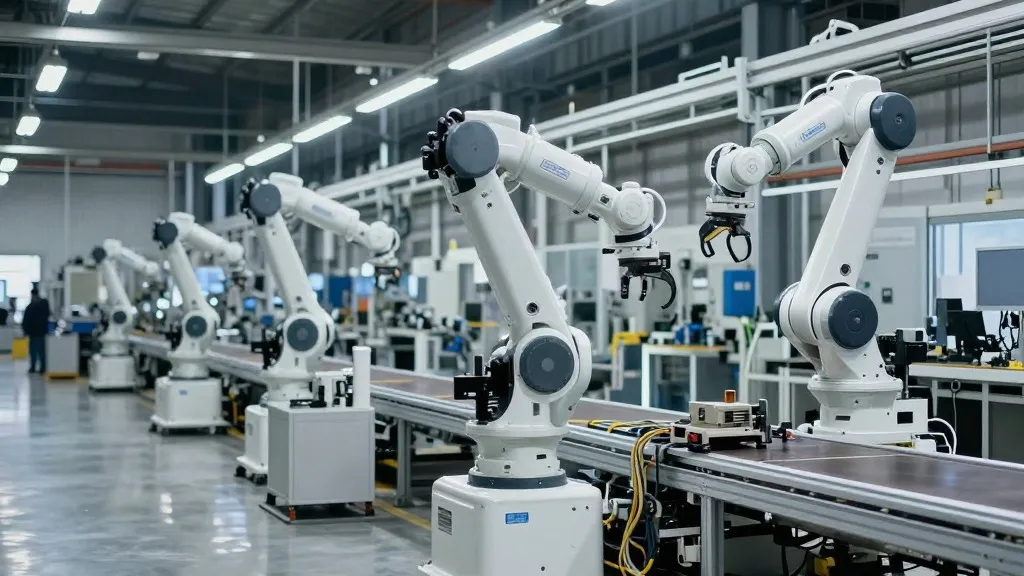
Production is already underway at the Fremont facility. Tesla has installed the majority of the assembly line designed for high volume output. However, Musk noted that reaching the goal of producing 20,000 units per week will take at least one year. This is because parts of the design are still undergoing changes.
The hand remains the most difficult component to perfect. An engineer noted that the fingers must be soft enough for delicate tasks but durable enough for constant use. Unlike human skin, robot hands cannot heal from wear and tear. Tesla also faces challenges with custom gears that raise reliability concerns.
Software development is another critical area. Tesla lacks a large fleet of robots to gather training data like its cars do for its driving software. To solve this, the company plans to build 10,000 to 20,000 units for an internal academy. These robots will practice various tasks to improve the AI. The AI5 chip is scheduled for installation around April 2027.
Musk promised a video within two months showing the robot performing unscripted tasks. He argued that many current demonstrations rely on pre programmed routines that may not hold up in real world scenarios. This move aims to prove the technology works beyond controlled environments.
Competitors are making similar progress despite Musk's claim that no one is close to Tesla. XPeng has automated its production line in Guangzhou and plans to begin deliveries in the first half of 2027. Boston Dynamics is already deploying its electric Atlas robots in factories. Hyundai has committed to using 25,000 of these units in its plants over the coming years.
The timeline for Optimus has slipped repeatedly since 2024. Musk previously targeted internal use in 2025 and high volume external sales in 2026. The company now describes the current units from Fremont as the first production quality bots. This implies that earlier versions were not considered ready for the market.
The delay reflects broader challenges in the industry. All major players are grappling with the same issues of mechanical reliability and AI generalization. While Tesla may build the most units, the focus is shifting toward making the robots useful for industrial jobs. Investors and analysts will be watching closely to see if the late 2027 deadline holds.
Source: Electrek · original report published