Ukrainian Forces Face New Communication Hurdles as Starlink Reliability Wavers
Recent disruptions to the satellite network force Kyiv and European allies to accelerate plans for independent communication infrastructure.
By Emmanuel Obasi ·
For ordinary citizens and military personnel in Ukraine, the digital lifeline that has supported daily life and defense operations for years is currently under strain. Recent, unexpected interruptions to the Starlink service have introduced a new layer of uncertainty, compelling both Ukrainian officials and European partners to confront the practical challenges of maintaining connectivity without relying solely on the American satellite network.
The primary concern stems from a perceived decline in the reliability of the system. While Starlink has been a cornerstone of Ukraine’s resistance against Russia’s full-scale invasion, its performance has become increasingly inconsistent. This shift is attributed to the political inclinations of the service’s owner, Elon Musk, which have complicated the operational stability of the network. The latest service disruptions have turned a strategic asset into a point of vulnerability, prompting urgent discussions about how to proceed.
Starlink has historically provided high-speed internet and data streams to any user or vehicle equipped with its compact terminals. This capability was critical for maintaining civilian communications and coordinating military operations. Specifically, the network enabled the Ukrainian military to remotely control and guide drones, a function essential for air defense against Russian attacks and for striking back at enemy targets. The ease of use and low cost made it the dominant choice in the region.
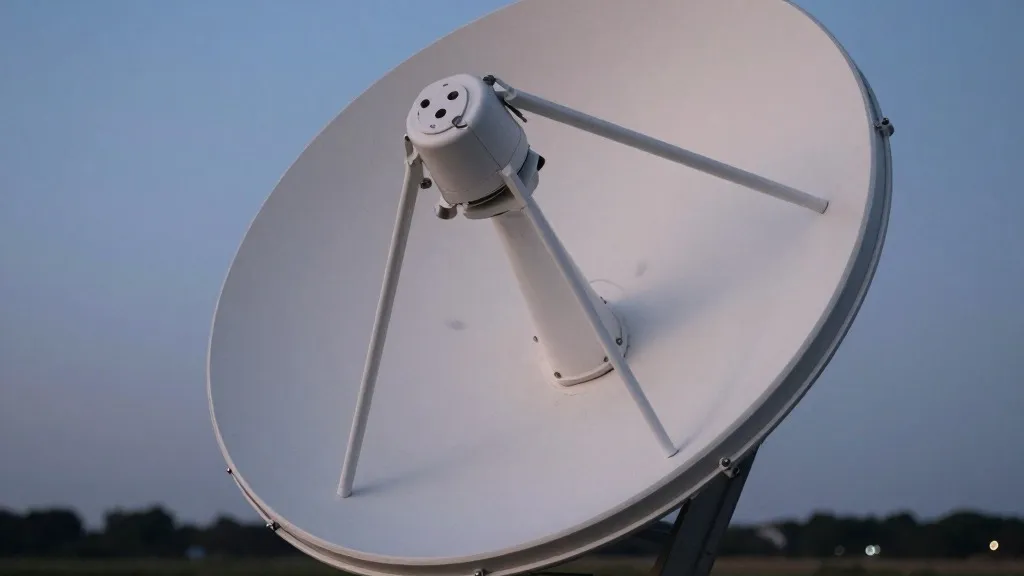
Despite its dominance, the technology is not without physical constraints. According to an anonymous head of hardware research and development at the Ukrainian defense company BlueBird Tech, the main limitation lies in the hardware itself. The representative noted that users must carefully position the antenna to receive signals from the satellites. This requirement, while manageable under normal conditions, adds a logistical layer to an already complex operational environment.
The financial burden of maintaining this network has been shared by several major powers. The United States government, along with European nations such as Poland and Germany, has funded the procurement of tens of thousands of commercial Starlink terminals. These countries have also covered the associated subscription fees to ensure continuous access for Ukrainian users.
To mitigate risks, the US government has also granted Ukraine’s military access to a military-grade variant of the service known as Starshield. This specialized version allows Ukrainian defense companies to test their own technologies in cooperation with the military. The integration of Starshield represents an attempt to diversify the technical foundation of Ukraine’s communication capabilities beyond the standard commercial offering.
The situation now facing Ukraine and Europe is characterized by a lack of viable alternatives. The head of hardware R&D at BlueBird Tech emphasized that Starlink currently offers some of the best satellite coverage available. When considering the combination of cost, availability, and ease of use, the network has virtually no competitors. This market dominance means that finding a seamless replacement is a significant undertaking.
As the disruptions continue, the focus has shifted from long-term strategy to immediate operational adjustments. The reliability issues have forced a reassessment of how much dependence on a single private provider is sustainable in a conflict zone. The upcoming period will likely see accelerated efforts to develop or adopt alternative communication solutions that offer greater autonomy and stability for both civilian and military applications.
Source: Ars Technica · original report published
More Business · Consumer Watch · Report a business · Got a Story?