1 Terawatt: Musk's Terafab Aims for a GDP-Competing Chip Output by 2028
Tesla and SpaceX are rushing equipment deliveries to build a massive Texas facility that promises to produce chips with the economic weight of a top-20 nation.
By Emmanuel Obasi ·
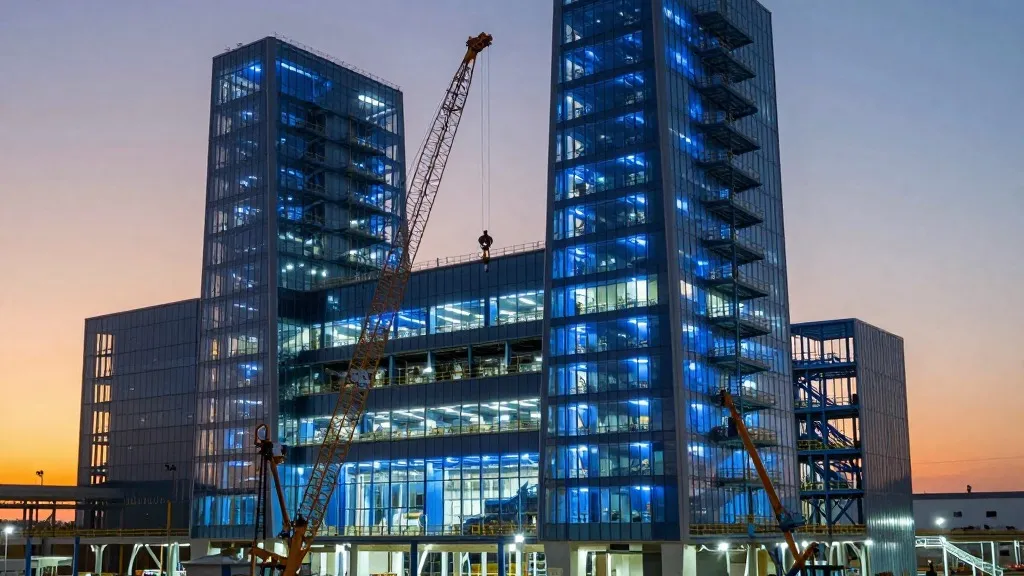
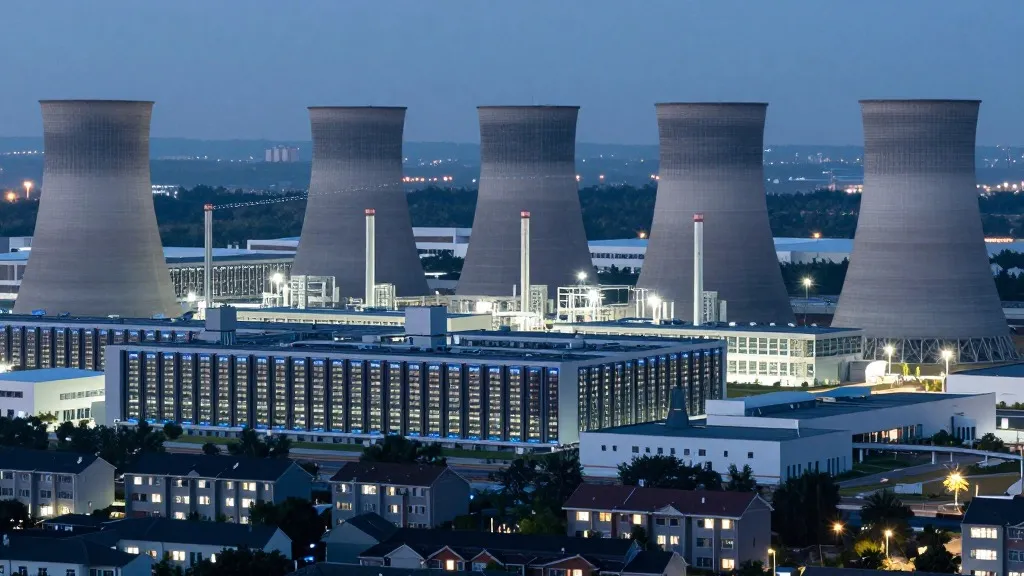
The race to secure the future of artificial intelligence has intensified as Elon Musk revealed that critical semiconductor suppliers are fast-tracking equipment shipments for Terafab. The joint venture between Tesla and SpaceX faces a formidable challenge: meeting an aggressive timeline for volume production while navigating a supply chain that remains under intense pressure. Musk made the announcement during a live broadcast on X on October 20, outlining the ambitious scope of the project and the immediate steps being taken to accelerate construction.
The primary facility in Gibbons Creek, Texas, targets the start of volume chip production by the third or fourth quarter of 2028. Musk described this schedule as "highly aspirational" with "big error bars," acknowledging the difficulty of the goal. He expressed appreciation to ASML and other vendors for accelerating deliveries to meet these dates. Prior to this major push, SpaceX plans to manufacture its first experimental test chip at a research fab in Austin, Texas, around the second quarter of 2027.
The economic stakes of this infrastructure are staggering. Once fully operational, Musk stated that the commercial value of Terafab’s chip output would rival the GDP of a top-20 global country. For perspective, Switzerland, currently ranked 20th, has a GDP of approximately $1.14 trillion. This single building is designed to manufacture logic, memory, and advanced packaging internally, aiming to produce one terawatt of AI computing power annually to serve xAI, Tesla’s self-driving vehicles, Optimus robots, and SpaceX’s orbital data centers.
To achieve this capacity, the project is leveraging Intel’s 14A manufacturing node technology and relies heavily on ASML’s extreme ultraviolet lithography systems. Each EUV machine costs around $400 million, making them vital to the operation. While the first tool was reportedly slated for mid-2027, it is unclear if this aligns with the newly announced expedited schedule. Other key partners include Applied Materials, Lam Research, KLA, and Tokyo Electron, with talks ongoing with roughly ten South Korean equipment makers for specialized components.
Contextualizing the ambition, research firm Gartner estimates total global AI-optimized data center capacity at roughly 44 gigawatts as of late 2026. Terafab’s one-terawatt goal is therefore significantly larger than the current entire global AI infrastructure. While global capacity has grown by approximately 3.3 to 3.4 times per year since 2022, according to EpochAI, many experts remain skeptical of the timeline. The project represents a massive vertical integration effort intended to mitigate reliance on external foundries like TSMC, but its success will hinge on whether the supply chain can sustain the accelerated pace.
Musk also used the broadcast to outline broader AI computing goals, expecting 2.5 to 3 gigawatts of capacity active by the end of 2026. He expressed high confidence in reaching a total of 13 gigawatts by the end of 2027, aided by a planned 440,000-GPU Nvidia "Vera Rubin" cluster coming online by the second quarter of 2027. These milestones position Terafab not just as a manufacturing site, but as a central pillar of the next generation of AI infrastructure.
Source: Tom's Hardware · original report published