22 Refuelings: The Cost of Starship's Lunar Mission
A NASA safety panel outlines a massive refueling schedule for a lunar landing, while SpaceX declines three US military launch contracts.
By Lucas Collins ·
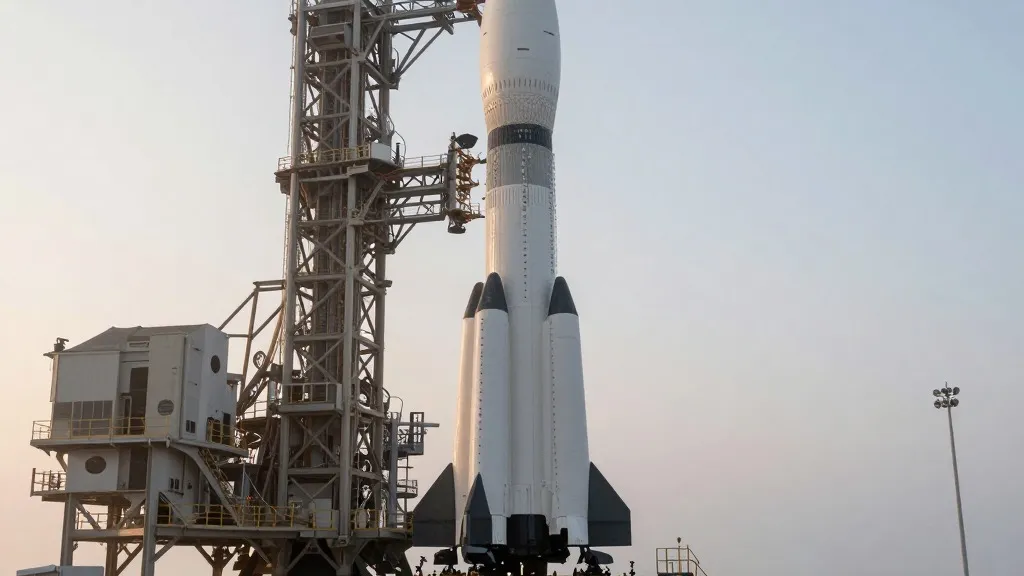
Twenty-two. That is the number NASA's safety panel identified as the potential maximum number of Starship tanker flights required to enable a single lunar landing mission. This projection, reported this week, outlines an unprecedented logistical chain in orbit for the vehicle to reach the Moon's surface.
The requirement stems from a specific mission profile. To support a lunar landing, Starship must be fully fueled in orbit. The panel's assessment indicates that achieving this state could demand up to 22 refueling operations. This figure represents a significant logistical undertaking for the program's planned lunar objectives.
On the same day, SpaceX issued a separate statement concerning its military contracts. The company declined an offer from the US Space Force for three launch assignments. This decision to decline the military launch offers was communicated Thursday.
In a parallel development, NASA's safety panel also addressed Starship's lunar mission architecture. The panel stated that the vehicle may require up to 22 refuelings to support a lunar landing. This assessment outlines the scale of orbital operations envisioned for the mission.
PLD Space is progressing toward the maiden flight of its Miura 5 rocket. The company's CEO, Raúl Torres, confirmed the rocket is nearing final integration. The vehicle is one of three Miura 5s the firm has manufactured.
One Miura 5 second stage has been fully integrated. It is now at PLD's Teruel test facility for its qualification campaign. The campaign includes a wet dress rehearsal and a static hot-fire test.
PLD Space has set a target for the small-lift vehicle's first flight before mid-2027. The manufacturing of the three vehicles has allowed teams to work continuously, CEO Raúl Torres said. He added the firm is applying lessons learned from qualification campaigns directly to the launch vehicle.
Reaction Dynamics, a Canadian launch startup, is seeking to raise $350 million. The funding is intended to grow its staff from 68 to more than 350 people. The company is developing the small-lift Aurora rocket for a potential orbit in 2028.
Reaction Dynamics also announced plans to build a medium-lift rocket called Borealis. Its debut is targeted for 2031. The company is one of three prominent Canadian launch startups.
Source: Ars Technica · original report published