Blue Planet III: BBC retains murky footage to verify reality
Producers intentionally kept unpolled shots and local crews to cut costs and counter skepticism about AI-generated content.
By Lucas Collins ·
The British Broadcasting Corporation has adopted a new visual strategy for its flagship nature documentary. The production team deliberately retained cloudier, less polished footage in Blue Planet III. This approach aims to verify authenticity for viewers who increasingly doubt digital media.
The series follows Blue Planet II, which aired in 2017 and focused on plastic pollution. The first Blue Planet series broadcast in 2001. The new installment promises updated technology and deeper dives into animal behavior. It marks the latest entry in a franchise that has evolved over two and a half decades.
Executive producer Elizabeth White explained that the rise of artificial intelligence changed how the team edited. She stated that AI "makes us want to be even more authentic." White noted that deep ocean creatures are "probably more remarkable than AI could imagine." The team now includes visual imperfections that were previously removed, such as plankton, boats, and poor water conditions.
Jack Bootle, head of specialist factual commissioning, addressed reporters at a screening. He offered a specific guarantee regarding the production process. "No gen AI was used in this series. Not a single frame. It's all real photography," Bootle said. He described the current period as a "golden age of natural history-making" where the new content is "bursting with novel behavior."
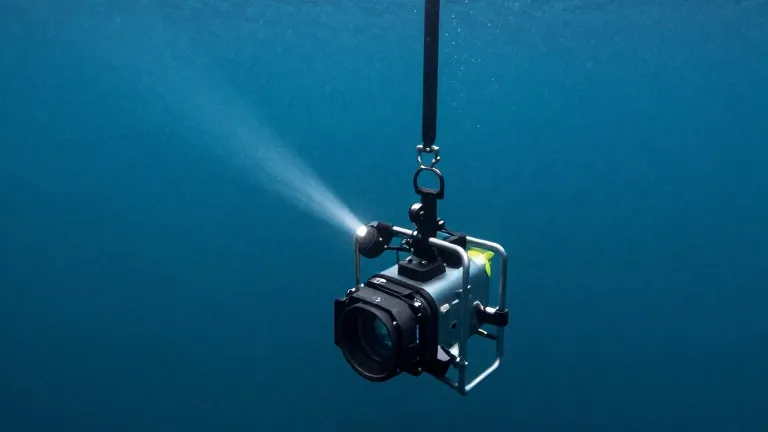
Filming spanned four years across five oceans. The production team utilized new tools, including a leg-mounted scooter for immersive shots and lasers for deep-sea filming. Producer Yoland Bosiger developed an underwater CCTV camera nicknamed the "stonefish" cam. This equipment captured dolphins using sea sponges to block coral holes. Other footage shows 200,000 crabs lining up to feed and sea urchins using shells for shade.
The series also examines environmental threats. One episode features clownfish attempting to repair their anemone homes after warmer seas killed the hosts. Another segment continues the plastics theme from the previous installment by focusing on forever chemicals. Narrator David Attenborough, who is 100, reviewed scripts and made changes during production. White stated that the veteran narrator remains excited when shown new footage.
White noted that the production saved money by hiring more local crews on location. She declined to comment on how the BBC's £500m cost-cutting drive might affect the unit's reputation. Blue Planet III is scheduled to begin on Sunday 1 November on BBC1 and iPlayer.
Source: The Guardian
More Business · World news · Consumer Watch · Report a business · Got a Story?