Warhound secures $200 million to develop genetically enhanced service dogs
The startup, backed by major venture firms and intelligence-linked investors, plans to use biotechnology and Anduril hardware to create specialized canines for military and law enforcement use.
By Thabo Hoffmann ·
Warhound has emerged from stealth mode on Thursday, announcing that it has raised $200 million in new funding. The investment round values the company at $1.2 billion and includes participation from Sequoia, 8VC, Corner Ventures, and In-Q-Tel, a venture firm supported by the U.S. intelligence community.
The venture was founded by Ben Lamm of Colossal Biosciences and Palmer Luckey, the co-founder of Anduril. Their goal is to engineer dogs specifically for the U.S. military, law enforcement, and emergency response teams. These animals are intended to perform tasks that are hazardous for human personnel or technically challenging for machines, including bomb detection and specialized search operations.
The company cites a significant gap in the current supply chain as its primary motivation. According to Warhound, more than 80 percent of working dogs used by the U.S. military are imported from Europe. Furthermore, fewer than half of those imported animals are deemed fit for service upon arrival. This reliance on foreign sources highlights a dwindling domestic supply for a critical asset in national security.
Lamm explained that the project began roughly a year ago when he met Luckey at a conference. The two discussed the need for better working dogs. Lamm subsequently researched breeding practices and identified that many dogs fail training due to inherited traits, such as poor eyesight, cancer predisposition, hip dysplasia, or muscle atrophy. He believes that genetic editing can address these issues while enhancing performance traits like speed, agility, and olfactory sensitivity.
The technical approach involves taking cell lines from top-performing breeds, specifically the Belgian Malinois and German Shepherd, and storing them in a biobank. The team will then edit these genes to improve health and longevity while removing detrimental ones. Colossal Biosciences will license its technology to support this process, leveraging its experience in gene cloning and its use of AI to identify and copy animal genes.
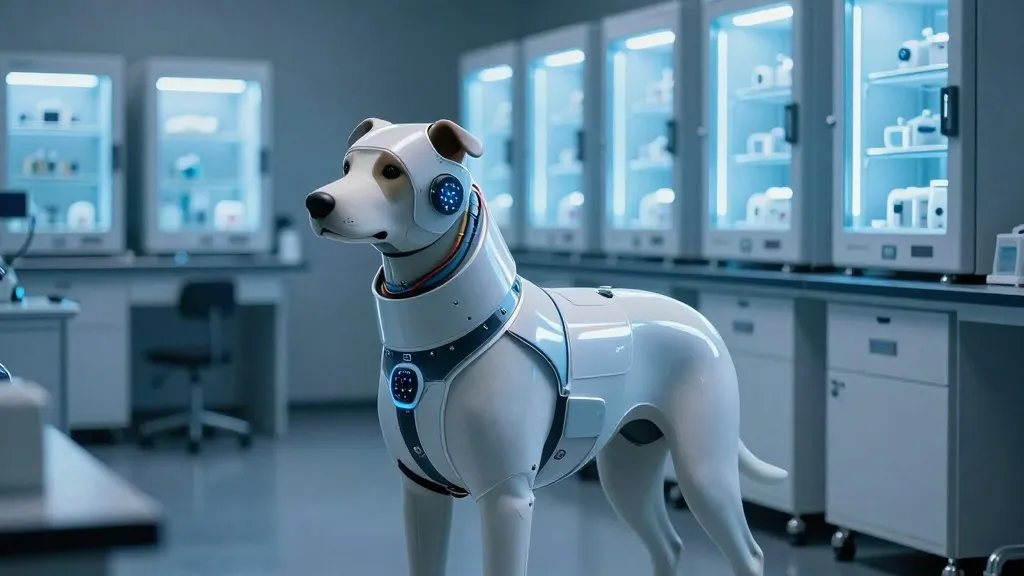
Anduril will provide the hardware and software components for the dogs. This equipment, which may include protective vests and goggles, is designed to assist both the canines and their handlers with situational awareness. Lamm described the concept as adding capabilities to the dog rather than inside it, such as vests with data sensors that relay information to handlers. This technology aims to make the dogs safer and healthier, which in turn protects their human partners.
Regarding the timeline, Lamm stated that the first batch of dogs is currently being cloned and incubated. Births are expected in early 2027, with the goal of beginning service within two years. Viagen, another company owned by Colossal, will handle the cloning process due to its high success rate. While pricing has not yet been determined, the company expects to sell to the Department of Defense, police forces, and other first responders.
To address concerns regarding animal welfare, Warhound is working under the guidance of the American Humane Society. The organization will help certify the training program for the new dogs. The American Humane Society issued a statement applauding the invitation and expressing its intent to ensure the animals are treated humanely. Retired dogs from this program are also expected to enter the Society’s reunification programs for adoption.
Source: TechCrunch · original report published
More Business · Consumer Watch · Report a business · Got a Story?