Warhound Raises $200 Million for Genetically Enhanced Military Dogs
Palmer Luckey's startup aims to breed canines with superior detection skills, backed by Sequoia and cloning expert Colossal Biosciences.
By Emmanuel Obasi ·
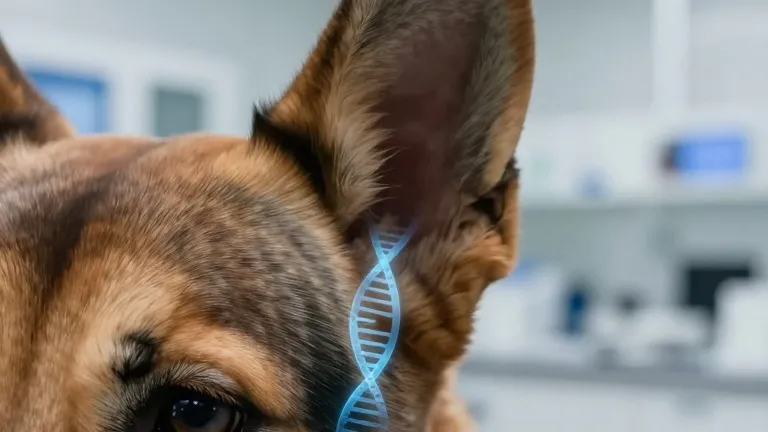
A new company called Warhound has raised $200 million to breed dogs with enhanced physical and cognitive traits for military service. The startup was founded by Palmer Luckey, the former Oculus founder. The company states that these animals will be engineered to detect explosives and protect troops in combat zones.
Investors in the round include Sequoia. Colossal Biosciences is providing technical support for the cloning and gene-editing processes required to produce the new breeds. The funding secures the capital needed to develop these specialized canines before they enter service.
The move represents a new intersection of biotechnology and defense contracting. By using genetic modification, Warhound intends to create dogs that outperform their natural counterparts in specific operational tasks. The company has not yet released a timeline for the first deployment of these animals.
This funding round follows recent trends in defense tech where private companies seek to replace or augment human roles with engineered solutions. The involvement of a major venture capital firm like Sequoia signals confidence in the commercial viability of bioengineered assets. The partnership with Colossal Biosciences brings established expertise in genetic manipulation to the project.
The $200 million figure places Warhound among the better-funded startups in the biotech space. The capital will likely be allocated toward research and development, as well as the initial production of the gene-edited dogs. Investors are betting that the military will become a primary customer for these high-performance animals.
The project aligns with a broader shift in how the Department of Defense procures technology. Instead of relying solely on traditional breeding programs, the military is looking to private innovators for rapid advancements in capability. Warhound's approach focuses on specific genetic traits that enhance a dog's ability to smell, track, or endure harsh conditions.
The company has not detailed which specific genes it plans to edit. It has only confirmed that the goal is to improve detection and protection capabilities. The use of cloning technology suggests the company aims to replicate successful genetic profiles across multiple animals. This method allows for consistent performance in the engineered cohort.
Source: MIT Technology Review
More Business · Tech news · Consumer Watch · Report a business · Got a Story?