Startups spend $200M to fix genetic flaws in cloned military dogs
The startup aims to reduce breed-specific diseases and deliver the first batch of gene-edited canines by early 2027.
By Emmanuel Obasi ·
Warhound has closed a $200 million funding round to genetically modify and clone dogs for the United States military.
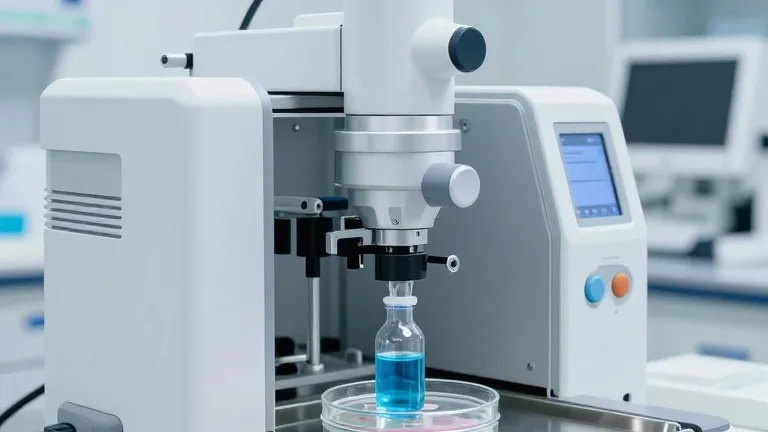
The company is currently editing the genetic material of cell samples collected from high-performing service canines across the country. These donors primarily consist of Belgian Malinois, with a smaller number of labradors and shepherds included in the initial group. Ben Lamm, a co-founder associated with Colossal Biosciences, stated that the first phase of research will target the reduction of hereditary health risks. Specifically, the team aims to lower the incidence of hip dysplasia and specific cancer types that are common in these breeds. Lamm indicated to TechCrunch that future genetic adjustments may focus on physical performance, such as increased speed, agility, or olfactory acuity.
The venture represents a collaboration between Ben Lamm and Palmer Luckey, the former head of Oculus VR and current founder of Anduril. While Luckey is listed as a partner in the business, neither he nor his defense contractor, Anduril, holds an equity stake in Warhound. Colossal Biosciences, the firm known for its de-extinction projects involving the dire wolf and woolly mammoth, does hold equity in the startup. Lamm also serves on the board of directors. David Spirk, who previously worked at Palantir, serves as the chief executive officer of the company.
Anduril’s contribution to the project is strictly technical rather than biological. The firm will design the hardware and software systems that equip the animals during deployment. This includes protective gear such as goggles, vests, and body armor. The partnership does not currently plan to create cybernetic canines. The focus remains on enhancing the biological resilience of the animals while providing them with durable, advanced equipment for field operations.
Warhound expects to produce the first generation of its gene-edited dogs in early 2027. These animals will undergo training for standard military roles, including explosive detection and search-and-rescue missions. The project leverages the cloning capabilities of Colossal Biosciences to replicate the genetic profiles of proven performers, aiming to create a more durable and capable workforce for the defense sector.
Source: Engadget
More Business · Tech news · Consumer Watch · Report a business · Got a Story?