London Chefs Target Gulf Markets to Offset High UK Tax Rates
Fallow and other high-end dining groups are expanding into the Middle East, citing a 20% value added tax that outpaces European peers and creates profit challenges.
By Emmanuel Obasi ·
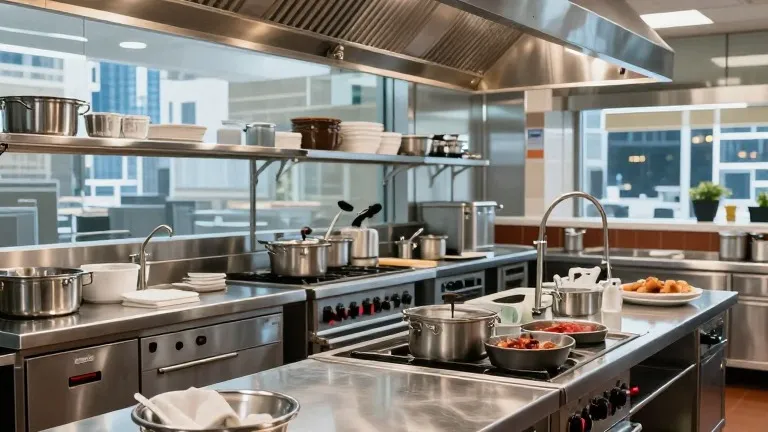
James Robson, co-owner of the St James's Market restaurant Fallow, has signed an agreement to open a new location in the Gulf. The move is part of a wider trend among London dining establishments that are looking to the Middle East for growth. Robson attributes this shift to what he describes as a 'tax tsunami' in the United Kingdom and a more favorable business environment abroad.
Fallow, which serves approximately 1,000 guests daily, is one of the most recognized restaurants in the capital. It gained prominence through social media, including 650,000 Instagram followers, and distinctive dishes such as a whole cod head in spicy butter sauce. The restaurant joins a list of prominent London brands that have already established presences in the region. Scott's of Mayfair, the two-Michelin-star Indian venue Gymkhana, and the Chinese restaurant Park Chinois have all opened in Dubai. Additionally, the Borough Market bakery Bread Ahead expanded to the city, while the Mayfair restaurant Isabel's opened in Abu Dhabi.
The expansion continues despite regional geopolitical tensions. The US-Israeli conflict with Iran earlier this year caused disruptions in Dubai, leading to an exodus of some expatriates and temporary closures of other dining venues, such as Dinner by Heston. The Michelin Guide faced criticism in October for listing 16 closed restaurants, a result of inspections conducted before the conflict began.
Robson identified East Asia, the United States, and the Gulf as primary targets for future growth. He noted that the Gulf actively assists businesses, while East Asia offers a strong work ethic and a tax system that contrasts sharply with the UK. The value added tax on hospitality is a central point of contention. The UK rate stands at 20%, which is significantly higher than the European average of about 12% for restaurants. Italy, for example, charges 10% on food sold in dining establishments.
Chef Jason Atherton, who holds Michelin stars, now spends a third of his time at his Dubai restaurant. He stated that making a profit is easier in the Gulf than in London. Robson expressed pride in contributing to the UK deficit but argued that the current balance of risk and reward no longer supports growth. He cited a 25% corporation tax rate and dividend taxes of 40% or more as additional burdens. Chefs are urging Chancellor Andy Burnham to reduce the VAT rate in next week's budget.
Human rights groups have urged caution regarding these expansions. Felix Jakens, director of campaigns at Amnesty International UK, highlighted the UAE's record on worker protections. He noted that migrant workers, who form the majority of the population, are tied to employers through a sponsorship system that can limit their rights. These workers often cannot form trade unions. Jakens emphasized that UK businesses entering the Gulf must conduct proper due diligence to ensure kitchen staff are paid fairly and can raise concerns without fear of losing their visa or job.
Source: The Guardian
More Business · World news · Consumer Watch · Report a business · Got a Story?