Israel Vote Too Close to Call After Record Turnout
Final counts are pending as Prime Minister Netanyahu and rival Gadi Eisenkot trade leads in a tight race.
By Thabo Hoffmann ·

Is it over? Not yet.
The race for the next prime minister of Israel is too close to call after voters turned out in record numbers. Prime Minister Benjamin Netanyahu and his top rival, Gadi Eisenkot, are trading leads as officials finish counting ballots. Eisenkot is a center-right former military chief of staff. He has emerged as the main alternative to Netanyahu. The final vote tallies may take time to arrive.
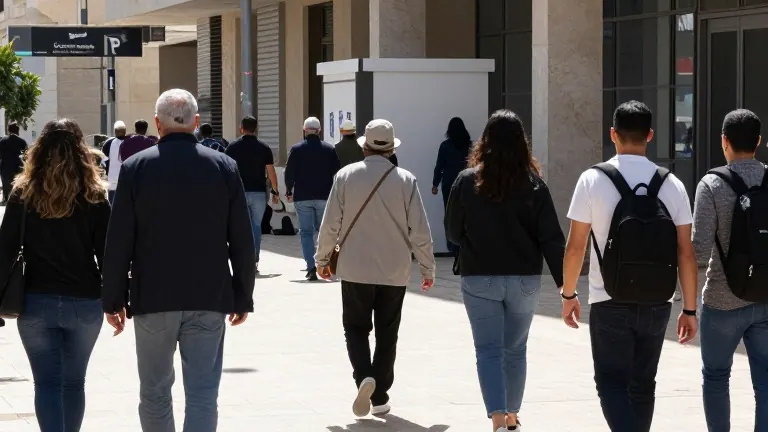
NPR's Daniel Estrin reports that the mood shifted quickly on Election Day. Israelis went to bed thinking Eisenkot had the advantage. By morning, Netanyahu had pulled ahead. This swing made the election effectively a tie. Election officials expect to finish counting votes by the afternoon of the day following the vote. The leading candidate will have six weeks to form a governing coalition. That process often involves competing for the support of defectors from the other camp.
Eisenkot could gain the majority of lawmakers' support in parliament. Arab-led parties performed strongly and are eager to see him as prime minister. However, Eisenkot's camp is hesitant to form a coalition with those parties. Mistrust and the demonization of Arab political leaders after the Oct. 7, 2023, attacks complicate the negotiations. Estrin notes that neither candidate has a clear path to a majority coalition. If no bloc secures a majority, it could take days or weeks for party leaders to determine the next prime minister.
In other news, the Ebola outbreak in the Democratic Republic of Congo has passed a grim milestone. The latest figures show more than 10,000 people have been infected since the outbreak was declared in May. This is the fastest-spreading outbreak in history. It is also the largest in geographic scope, spanning from Nigeria to Kenya. The death toll is the second highest in history, with nearly 5,000 deaths. Around one-third of those who have died have been children.
Back in the United States, the Federal Reserve is expected to keep interest rates steady. The Labor Department reported that consumer prices rose 3.7% in September compared to last year. That is a larger annual increase than the previous month. Prices are rising faster than average wages. Despite this, investors do not expect a rate hike at the current meeting. Fed policymakers raised interest rates in September, but they are likely to remain low-key ahead of Election Day. They may increase rates again in December.
Midterm ad spending has surpassed a record $11 billion. An analysis found that candidates in four major Senate races spent more than $15 million on fundraising ads in the 2025-26 election cycle. President Trump has been campaigning in tight races across states like Texas, Mississippi, and Kansas. He has not stuck with his standard midterm pitch, which usually touts GOP tax cuts and attacks Democrats. Instead, he is telling jokes that entertain rally crowds but distract from key issues like the economy and gas prices.
Trump’s strategy suggests a potential problem for his party. He is needing to rally votes in very red states. Midterm turnout is usually low, but the GOP base still supports him. This indicates many MAGA votes are available. In Michigan, Abdul El-Sayed has narrowly won the Democratic Senate nomination. His victory is seen as a win for the party's progressive wing. The swing state is important to both parties, which is why Trump and former President Barack Obama campaigned for their party's Senate candidate over the weekend.
Source: NPR