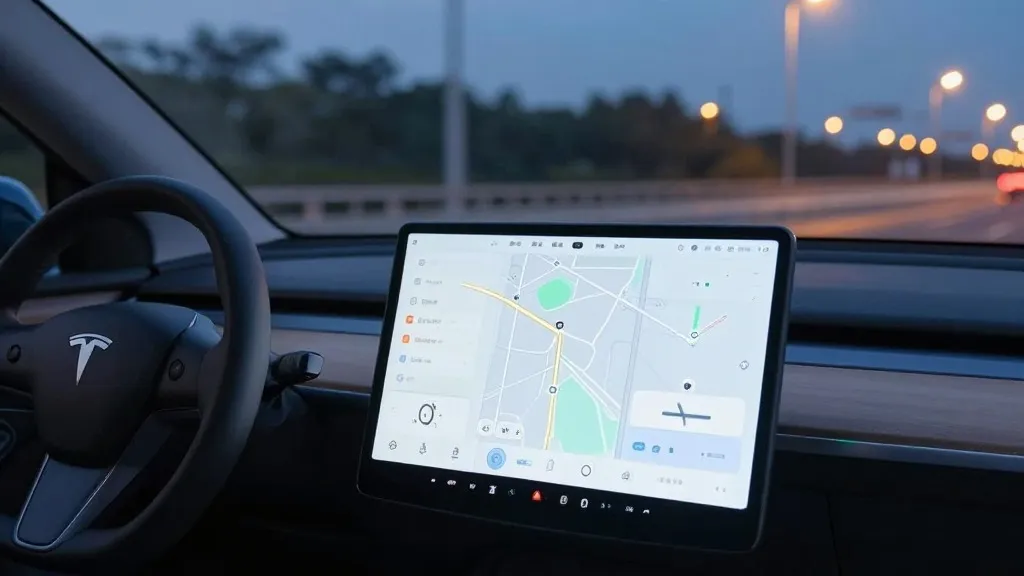
Autonomous Driving Timeline: Tesla Sets Q2 2027 Target for Limited FSD Deployment
Tesla has set a new target for hands-free driving in customer vehicles, but the feature will initially be restricted to specific robotaxi operating zones.
By Thabo Hoffmann ·
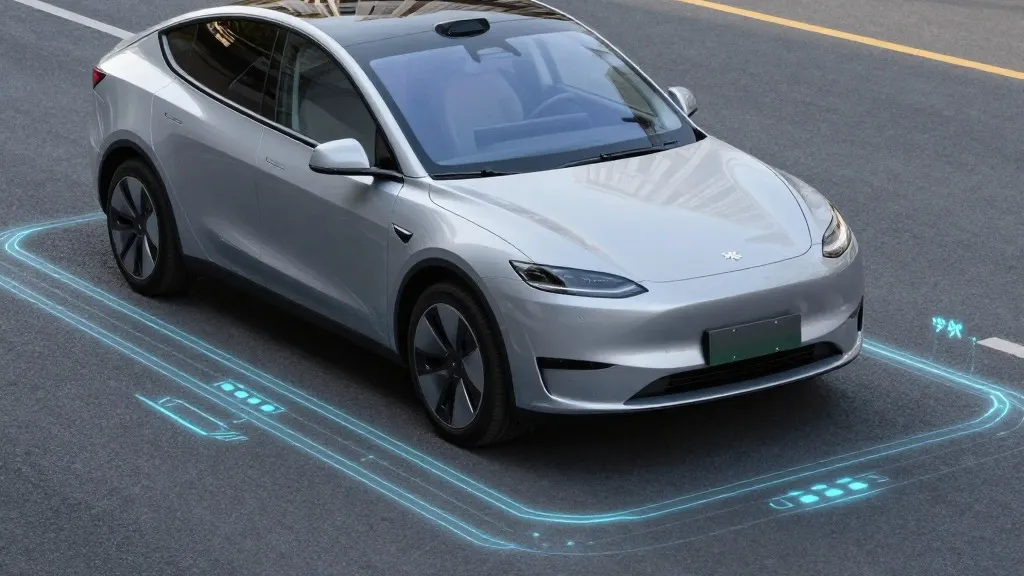
Tesla shareholders and current owners should adjust their expectations for hands-free driving capabilities in the coming years. The company has officially targeted the second quarter of 2027 for the launch of unsupervised Full Self-Driving features in customer-owned vehicles. This timeline marks the latest iteration of a promise that has been in development for nearly a decade, though the specific scope of the rollout is significantly narrower than previous marketing suggested.
During the third-quarter 2026 earnings call, Ashok Elluswamy, Tesla’s chief AI officer, clarified the nature of this update. He described the system as a method for owners to integrate their personal vehicles into Tesla’s managed robotaxi fleet. This distinction is critical because it means the technology will not initially allow owners to drive their cars anywhere in the country without supervision. Instead, the autonomous functions will be active only within the specific geographic areas where Tesla already operates its robotaxi service.
The decision came in response to a prominent question from retail shareholders, who asked when they could anticipate unsupervised FSD in their cars. This inquiry was backed by approximately 1.1 million shares, indicating significant interest among individual investors. Elluswamy’s response shifted the narrative away from a simple software update that enables autonomous travel to any destination. Instead, the plan involves Tesla taking operational control of the vehicle's autonomous mode within designated zones.
The current operational footprint for these zones is relatively small. Tesla’s robotaxi service currently functions in six major U.S. metropolitan areas, but the service areas cover only specific slices of those cities. For example, the Miami zone primarily covers West Miami and a strip extending toward Doral and Sweetwater. Orlando and Tampa launched in July with similarly limited geofences. Within these boundaries, the service generally avoids highways and sticks to lower-speed routes, bypassing more complex driving conditions.
A notable exception to the unsupervised model exists in the Bay Area. Due to California regulations requiring a safety driver for vehicles operating beyond level 2 autonomy, Tesla has chosen to keep a human driver in the vehicle in that region. The company has stated that it does not wish to release certain data to the California DMV at this stage. Consequently, the Bay Area fleet does not operate in a fully unsupervised capacity, highlighting the regulatory hurdles Tesla faces in different jurisdictions.
The scale of the current robotaxi fleet remains modest compared to earlier projections. Tesla reported that its robotaxi service reached nearly 2 million cumulative unsupervised miles by the end of the third quarter. This milestone occurred one month after the Cybercab model joined the fleet in Austin. Third-party tracking data from earlier this year indicated that the number of fully driverless Teslas on the road was in the dozens, a figure that contrasts with the hundreds of thousands of vehicles previously discussed by company leadership.
Competitor Waymo has established a presence in both Orlando and Tampa prior to Tesla’s entry. The company has also logged over 3 million miles of operation. This competitive landscape underscores the challenges Tesla faces in scaling its autonomous network while adhering to its new timeline. The integration of customer cars into this existing, limited network represents a strategic pivot for the company’s autonomous driving roadmap.
Previous statements from company leadership set different expectations for customers. In July 2025, the CEO told investors that unsupervised FSD would be available for personal use in certain geographies by the end of that year. A year earlier, he expressed confidence that the technology would be ready the following year. However, owners of hardware version 3 vehicles have already been informed that their specific computer hardware cannot support unsupervised FSD, with no clear upgrade path currently defined.
Elluswamy cited safety as the primary bottleneck delaying broader deployment. He noted that Tesla limits its operations to lower-speed roads and simpler environments to mitigate risks. While he suggested that these safety issues could be resolved by next year, he acknowledged that the exact timing remains uncertain. The company is essentially guessing at the timeline, prioritizing a cautious approach over rapid expansion.
For the average buyer, this development signifies a shift in what the product actually delivers. The goal has moved from a car that drives itself anywhere to a car that can function as a robotaxi within a controlled zone. This limits the immediate utility for daily commutes or long-distance travel unless the user lives and works within one of the specific operational areas. The Q2 2027 date represents a new baseline for the market, though the practical benefits for individual owners remain constrained by geographic and operational boundaries.
Source: Electrek · original report published
More Business · Consumer Watch · Report a business · Got a Story?