Michigan Nuclear Plant: Regulators Flag Retaliation Fears
The NRC ordered Holtec International to address a workplace climate where staff fear speaking up about safety risks.
By Emmanuel Obasi ·
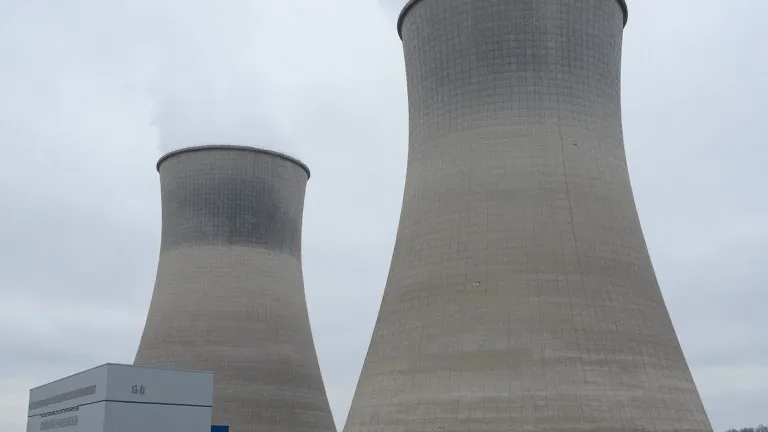
Workers at the Palisades nuclear power plant in Michigan now operate under a formal warning from federal regulators. The Nuclear Regulatory Commission told the plant operator to fix a work environment it described as chilled, noting that employees often stay silent about safety issues to avoid retaliation.
The directive came after a July inspection found gaps in how safety concerns are handled on site. Regulators cited two specific physical incidents that raised red flags before the exam results arrived. In 2025, a contractor fell into the reactor cavity and swallowed water. Decontamination crews treated the worker, but an incident report recorded 300 counts per minute of radiation in their hair.
A second problem emerged in August when a bundle of fuel rods tilted during a refueling operation. That event delayed the schedule for what was expected to be the first restart of a closed reactor in the United States. The NRC also reviewed the performance of the staff tasked with running the plant.
Licensing exams administered in July and August produced stark results for the trainee operators. Nine of the 15 candidates failed the initial test. Only six individuals received the licenses needed to operate the reactor.
Holtec International, which has never run a nuclear plant before, holds roughly $2.2 billion in government support for this project. The company has framed Palisades as a key part of a national effort to revive the domestic nuclear industry.
Critics of the restart push argue that the pressure to meet political and financial goals creates new risks. They point to rising energy demand from artificial intelligence as a driver for this rush to reopen closed facilities.
Palisades is part of a wider trend of nuclear comebacks. The owners of Three Mile Island in Pennsylvania and Duane Arnold in Iowa announced restart plans for their respective sites shortly after work began at the Michigan plant.
Source: Ars Technica
More Business · Tech news · Consumer Watch · Report a business · Got a Story?