Iranian Households Abandon Savings and Dining Out Amid Stagnant Wages
Families in Tehran are cutting back on meat, travel, and leisure spending as inflation erodes purchasing power and government support fails to keep pace with rising costs.
By Emmanuel Obasi ·
The economic landscape in Iran has shifted dramatically, leaving ordinary citizens to question the basic viability of their previous lifestyle choices. Recent data and personal accounts reveal a widespread retreat from discretionary spending as the cost of living accelerates beyond the reach of even stable incomes.
The central claim is that households are fundamentally restructuring their budgets, prioritizing immediate survival over long-term financial health. A newly married woman in Tehran noted that funds initially reserved for a wedding celebration were redirected to a housing deposit. She now works two shifts to service a loan, describing her home as a place for sleep rather than living. This pattern suggests that the middle class is disappearing, replaced by a population focused strictly on daily subsistence.
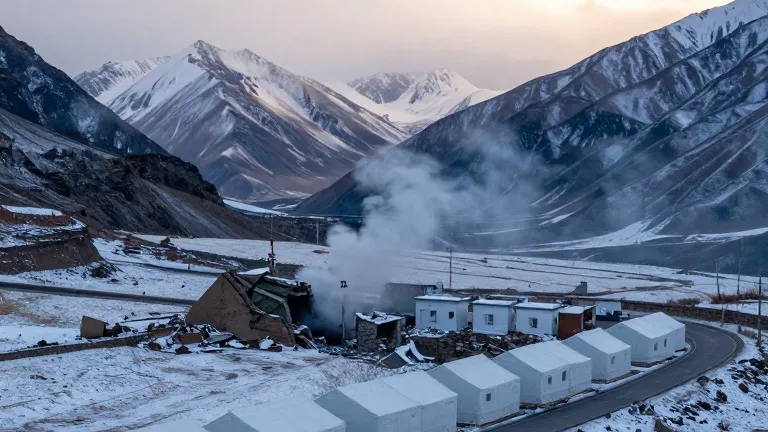
The backdrop for this squeeze is a complex mix of internal and external pressures. Years of sanctions and high inflation have weakened the rial, but the situation intensified after a war launched by the United States and Israel in late February damaged infrastructure. A US naval blockade has reduced oil exports, while Iranian actions in the Strait of Hormuz have disrupted shipping. In August, the US Treasury initiated a new sanctions campaign labeled Economic D-Day, aiming to isolate Tehran financially.
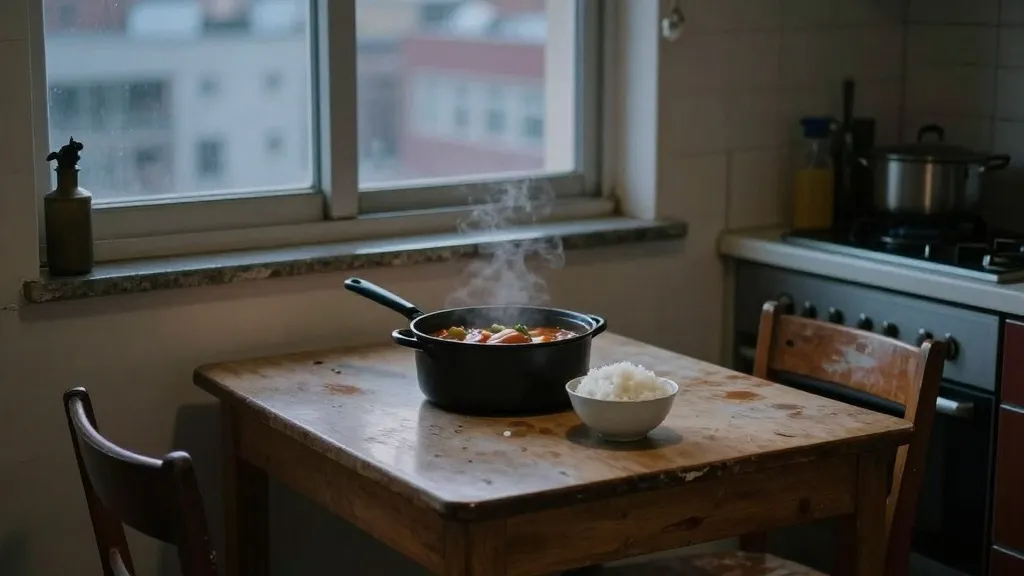
Shopping habits have changed in response to these forces. A survey in central Tehran indicates that families are now deciding which necessities they can afford to skip. The cost of home cooking has nearly doubled in a year. A meal of ghormeh sabzi, a traditional herb stew, now costs approximately 23 million rials, or $8.45. Potato patties, a common staple, run about 4 million rials. Many families are rationing meat for children while adults rely on legumes and substitutes, fearing that prices will soon make even this allocation impossible.
Independent estimates confirm the severity of the food crisis. Factnameh, a Canadian-based fact-checking outlet, calculated that 11 essential food items cost 56 million rials per person in September. For a family of three, this totals over 168 million rials. The government’s food voucher, worth 10 million rials, covers less than 18 percent of this per-person cost, a significant drop from 30 percent in late 2025.
Official responses have been mixed in their assessment of the crisis. Central bank Governor Abdolnaser Hemmati acknowledged the heavy burden on citizens on October 23, but argued that efforts to isolate the economy had not met their primary objectives. Meanwhile, inflation hit 89.9 percent in September. The average monthly wage is estimated at only $100, a figure that struggles to compete with the rising price of basic goods.
The strain is not limited to lower-income earners. A retired woman on a monthly pension of 180 million rials has cut back on protein sources since March, worrying about her health despite being rent-free. Even those with higher incomes are feeling the pinch. A man in western Tehran with household earnings of a billion rials, well above the national average, stated that he can manage today but has no savings for tomorrow. Travel and dining out have vanished from his routine.
Social interactions are also being reshaped by financial necessity. A 28-year-old woman in Tehran, earning 400 million rials a month, described a new norm among her friends. Instead of individual orders, they now split one dish between two people at cafes. This practice has become a standard way to make social outings affordable, marking a clear departure from previous habits.
As the month closes, the picture remains one of contraction. With wages stagnant and prices climbing, the ability to save or spend on leisure is fading. The immediate focus for many Iranians has shifted from building wealth to maintaining a basic standard of living, raising questions about the long-term resilience of the country's economy.
Source: RFE/RL