House Republicans Need Three Seats to Retain Majority
Current projections show a tight race for the chamber, with three specific districts determining the next Speaker.
By Lucas Collins ·
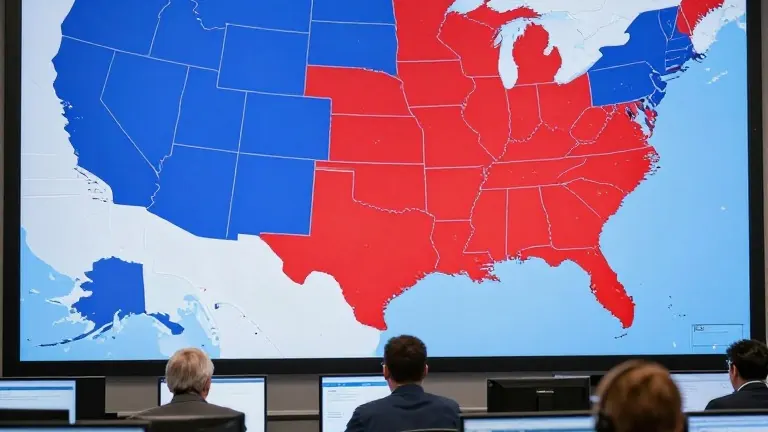
Three seats. That is the number of additional seats House Republicans need to secure a majority in the next Congress. According to new projections released this week, the party currently holds 217 seats. The total number of seats in the chamber is 435. A majority requires 218 seats. The margin is thin. Every vote counts in the upcoming election cycle.
The path to control has become complicated. In 2022, Republicans gained a net of nine seats to take control of the House. They held that majority through the 2024 cycle. The political landscape has shifted since then. Redistricting maps were finalized in most states by June of this year. These new maps have opened up previously safe districts to competition. Voters are facing new choices in local races.
The current balance of power reflects the 2024 election results. Democrats won 216 seats in that contest. Republicans won 217. The difference was one seat. That single seat determined which party held the gavel. Now, the math has changed slightly due to special elections and vacancies. Republicans lost two seats to special elections in late 2025. They gained one seat in a by-election in March 2026. This nets them a loss of one seat from their starting point.
Polling data from the past three months shows a mixed picture. National approval ratings for the President hover near 48 percent. This is a common baseline for midterm elections. Historically, the party not in the White House gains seats. However, the trend has been inconsistent since 2010. In 2018, Democrats gained 40 seats. In 2022, Republicans gained only five seats. The trend line suggests a modest shift rather than a landslide.
Three specific districts are now the focus of national attention. The first is District 4 in Pennsylvania. The second is District 12 in Florida. The third is District 3 in Texas. These districts changed party control in recent special elections. In Pennsylvania, the district flipped to Democratic in 2024. It held that status through two special elections. The candidate for the seat is a local business owner. He has raised $4.2 million for his campaign.
Florida’s District 12 is a different case. It has been a Republican hold for six years. The last Democrat to win there did so in 2014. The current incumbent is retiring. The primary election for that seat took place in August. The general election is scheduled for November. The two main candidates have spent a combined $1.5 million on advertising in the last 30 days. Local issues, including property taxes, dominate the debate.
Texas District 3 presents the third variable. It is a swing district with a large suburban population. The district map was drawn by a Republican state legislature. Critics argue the lines favor one party. Proponents say the lines reflect population growth. The special election in this district occurred in September. The winner held the seat until the general election. The current candidate is a former state legislator. She has served for four terms.
The calendar for the remainder of the year is packed. Campaigns in these three districts will dominate local news coverage. National polls will be released every week. The first major debate in Pennsylvania is set for November 12. The Florida candidate forum is scheduled for November 15. Texas will hold its town hall series starting November 20. These events will provide the first direct comparisons of the candidates in the same room.
The House floor is preparing for the transition. The current Speaker has announced plans to address the full chamber on November 10. The address will focus on the budget and the upcoming election. The Democratic minority leader is scheduled to speak on November 11. Both speeches will be broadcast nationally. The goal is to set the tone for the final month of the current term. The next Congress is set to convene on January 3, 2027.
Source: Cascade PBS