Canada Forges Strategic Pact With Turkey to Diversify Trade Beyond U.S.
Prime Minister Mark Carney signed a new agreement with Ankara while defending the deal against human rights critiques and U.S. election interference claims.
By Lucas Collins ·
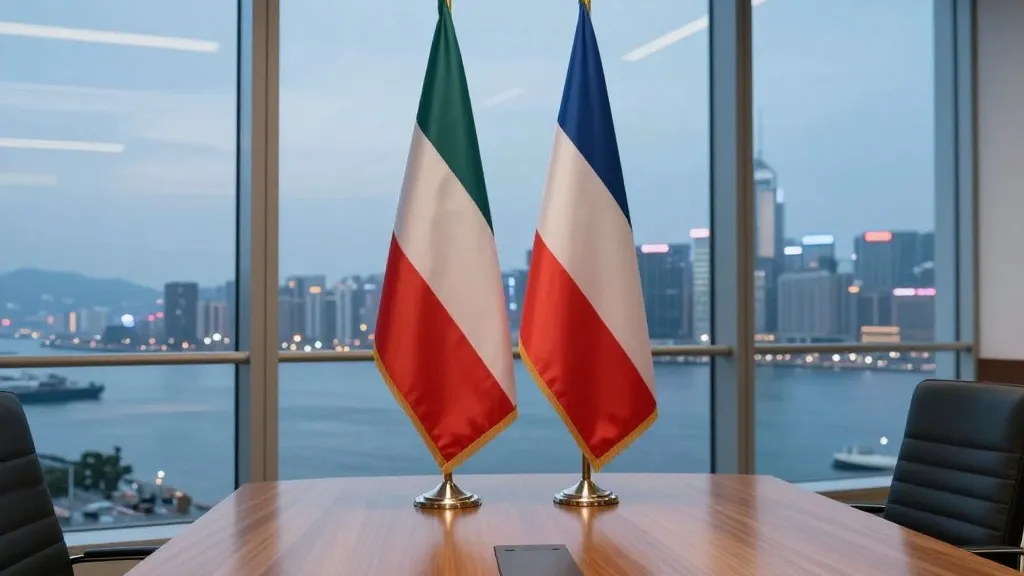
Canada has formally deepened its economic ties with Turkey, signing a strategic partnership that aims to reduce reliance on the American market. Prime Minister Mark Carney concluded a visit to the country on Friday by endorsing the agreement, which represents a significant step in Ottawa’s broader effort to diversify its trading partners. The move comes at a time when global supply chains are under scrutiny and Canada seeks to insulate its economy from the volatility of its largest neighbor.
The partnership was signed during Carney’s visit to Ankara and Istanbul. This engagement follows a pattern of recent deals with nations that have faced international criticism regarding their governance and civil liberties. Carney framed the agreement as part of a pragmatic approach to international relations. He emphasized that while Canada maintains high standards, it is not the only nation in the world to do so. The prime minister argued that working with partners does not equate to endorsing every aspect of their domestic policies.
A central pillar of this strategy is the push for Canadian nuclear technology to enter the Turkish market. Carney indicated there are strong prospects for the Canadian engineering firm AtkinsRealis to be selected for a major infrastructure project. Turkey is currently planning the construction of two new power plants as part of its climate goals. The involvement of a Canadian firm would mark a significant export victory for the domestic engineering sector, providing a tangible benefit to the partnership beyond diplomatic gestures.
The deal has not been without controversy. Human rights groups have raised alarms about the Turkish government’s recent actions. This month saw several high-profile operations by Turkish authorities. Critics argue these moves were designed to quiet opposition figures, limit independent media, and restrict marginalized communities. Despite these concerns, Carney’s office stated that Foreign Affairs Minister Anita Anand discussed these issues directly with her Turkish counterpart during meetings held on Thursday.
Carney defended his communication style when pressed by reporters about his private discussions with President Recep Erdogan. He stated that he prefers direct and open conversations with foreign leaders. According to the prime minister, these talks are more effective when they are not detailed in public reports. He confirmed that human rights issues were raised, reinforcing the idea that the engagement is ongoing rather than a one-time formality. This approach aligns with his previously described philosophy of values-based realism.
The trade diversification strategy has largely focused on Europe and the Indo-Pacific regions. However, the inclusion of Turkey and recent agreements with Saudi Arabia show a willingness to engage with a wider range of states. Some of these partners have questionable human rights records. Carney’s administration appears to be prioritizing economic access and market stability over ideological alignment in certain contexts. This shift is intended to buffer the Canadian economy against potential trade disputes or policy changes in Washington.
Carney also addressed a separate diplomatic friction point involving the United States. The U.S. Embassy in Ottawa issued a fact sheet on Thursday. It formally accused Canadian leaders of meddling in the upcoming U.S. midterm elections scheduled for November 3. Carney responded with force on Friday, stating that the claims lack merit. He expressed disappointment that the American envoy viewed it as his role to make such suggestions, highlighting the tension between the two neighbors.
The prime minister noted that Canada maintains a deep diplomatic presence in the United States. There is extensive contact with American companies, citizens, and individuals. Carney asserted that Canada is very careful to avoid appearing to interfere in the U.S. democratic process. He maintained that the relationship remains robust despite the recent accusations from the U.S. side.
Looking ahead, the focus will turn to the implementation of the strategic partnership. The potential contract for AtkinsRealis is a key indicator of the deal’s commercial viability. Success in this area would validate the government’s strategy of seeking new markets in the Middle East. The coming months will test whether Canada can balance its economic interests with its stated values. The outcome of the U.S. midterm elections may also influence the tone of North American trade relations, adding another layer of complexity to Ottawa’s foreign policy calculus.
Source: CBC News
More Business · World news · Consumer Watch · Report a business · Got a Story?