South Sudan: Refugee Influx Strains Limited Foreign Aid Resources
The country faces mounting pressure as displaced populations grow while international funding decreases.
By Thabo Hoffmann ·
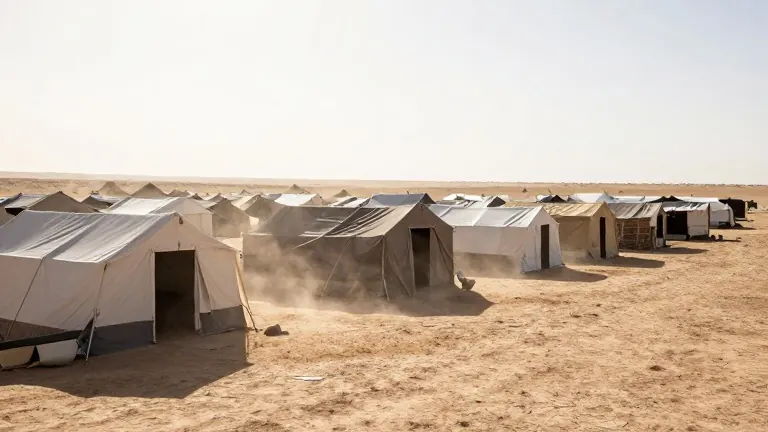
The refugee crisis in South Sudan has reached a critical point as the government struggles to manage a massive influx of displaced people. This surge coincides with a sharp decline in foreign aid, creating a financial gap that local resources cannot easily fill. The situation has placed immense pressure on the national budget, forcing officials to make difficult choices about where to allocate limited funds.
The primary driver of this strain is the growing number of refugees arriving in the country. South Sudan is absorbing these populations while its own economic infrastructure remains fragile. The cost of housing, feeding, and providing basic medical care to these newcomers has ballooned. Local officials report that the sheer volume of people has overwhelmed existing community structures and public services.
Simultaneously, international donors have reduced their financial support. Foreign aid cuts have forced the government to rely more heavily on its own tax revenues and limited reserves. This shift changes the dynamic of the relationship between the state and the international community. It places a greater burden on domestic fiscal policy and personal responsibility within the affected regions.
The government is attempting to balance the immediate humanitarian needs of the refugees with the long-term stability of the state. Officials are looking for ways to integrate the refugee population into the local economy. This approach aims to reduce the dependency on continuous external funding. It encourages a model where displaced individuals can contribute to local commerce and employment.
However, the scale of the problem presents open questions about sustainability. Current funding levels may not be sufficient to cover all necessary services for the duration of the crisis. The government must determine how long it can maintain current support levels without compromising other public functions. There is also uncertainty about how long international partners will maintain their current level of engagement.
Local communities are bearing much of the direct cost. Families are sharing resources with displaced neighbors, which can strain household budgets and local markets. This grassroots effort demonstrates a strong sense of personal responsibility and community solidarity. Yet, it also highlights the limits of what individuals can sustain without adequate institutional support.
The path forward requires a clear assessment of available resources and realistic planning. The government must identify which areas need the most urgent intervention. It must also negotiate with international partners to secure predictable funding streams. The goal is to create a stable environment where both long-term residents and new arrivals can thrive through free enterprise and mutual support.