Arab bloc holds key to Israel's new government
With neither major side holding a majority, the 19 seats won by Arab-led parties will decide who leads Israel in the coming weeks.
By Emmanuel Obasi ·

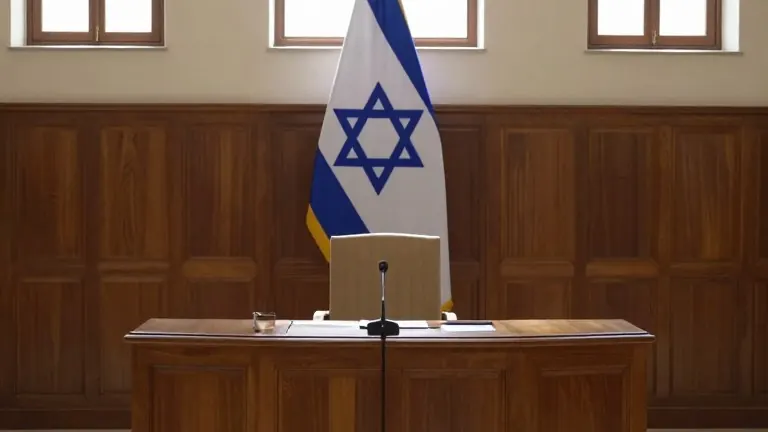
Neither Prime Minister Benjamin Netanyahu’s far-right coalition nor challenger Gadi Eisenkot’s center-right bloc reached the 61 seats required to govern Israel. This stalemate puts the 19 seats held by Arab-led parties at the center of the next government formation. The outcome of the vote will determine whether Netanyahu stays in power or if Eisenkot can assemble a majority.
Arab-led parties won 19 of the 120 Knesset seats in the election held last month. Jamal Zahalka, chairman of the High Follow-Up Committee, told NPR the group blocked Netanyahu’s government from continuing. He called the result a historical achievement and said the community found its strength. The Central Elections Committee reported a 64 percent increase in votes for these parties compared to the previous election cycle.
The turnout was driven by a desire to counter rising discrimination. Intisar Sarsur, 65, who lives in the Palestinian-majority town of Kufr Qasim, said her community sought basic rights as human beings. She noted that every person she knew participated in the vote. The event occurred two days after the annual commemoration of the 1956 massacre in Kufr Qasim, where Israeli border police killed local residents during the Suez Crisis.
Netanyahu’s camp has reacted with skepticism. On election day, he posted a video describing the situation as an emergency. Itamar Ben Gvir, the national security minister, urged voters to ensure the country remains Jewish and Zionist. Likud claimed Arab parties stole the election through bribery and forgery, though police found no basis for these claims. Election officials confirmed there was no widespread fraud.
President Isaac Herzog is currently consulting with parties to decide who receives a mandate to form a government. He expects to name a candidate next week. That leader will have 28 days to build a coalition, with the option of a two-week extension. If they fail, a second candidate gets 28 days without an extension. If no government forms, new elections will be held next year.
The prospect of an alliance with Arab parties creates tension for both sides. Eisenkot, a former military chief of staff, is a hawkish figure whose son was killed in Gaza. He is credited with the Dahiyeh doctrine, which advocates for disproportionate force against areas launching attacks. Arab parties are divided on how to proceed. The Joint List, which won 11 of the 19 Arab seats, says it will likely back Eisenkot from outside the cabinet rather than join it due to the ongoing war in Gaza.
Mansour Shaaban, 33, said he voted for the first time to stop the racism he sees from the extreme right. He noted that while he lives alongside Israelis who treat him as an equal, leaders like Netanyahu and Ben Gvir make coexistence difficult. He believes the high turnout proved that Palestinian citizens of Israel have found their voice.