Oil Reaches US$113, Forcing Australia to Choose Between Fuel Relief and Inflation Control
Treasurer Jim Chalmers admits to lowered growth forecasts as a $36 rise in fuel costs complicates the government's fiscal options ahead of the December budget.
By Lucas Collins ·
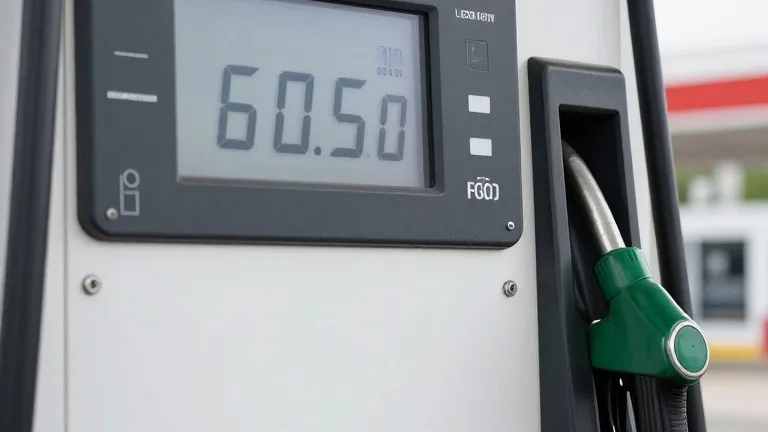
A US$113 price tag for a barrel of oil has landed on Australian shores, forcing Treasurer Jim Chalmers to confront a sharp economic reality. The global benchmark rose overnight to that level, closing in on the nearly US$120 peak recorded in April. This surge follows a widening conflict in the Middle East and has immediately altered the spending habits of domestic consumers.
The cost impact for drivers is precise and immediate. Motorists are currently paying 60 cents more per litre than they did before the United States and Israel launched attacks on Iran. For a vehicle with a standard 60-litre tank, the additional cost per fill-up is $36. A family that refuels weekly now faces an extra $144 in monthly expenses compared to February. These figures represent a direct transfer of wealth from household budgets to energy suppliers.
Chalmers signaled the shift in economic expectations in a speech last week, where he described the outlook as "a bit better" in a year. By Friday, he acknowledged that Treasury officials are lowering their projections for the December mid-year budget update. The revised forecasts point to slower growth and higher unemployment. The Treasurer stated that the pressures on people are "very substantial" and noted that these factors keep him awake at night.
The geopolitical situation remains volatile. The New York Times reported that Washington and Jerusalem have drafted plans to resume strikes on Iran after the American midterm elections. Analysts at Westpac have modeled a scenario where oil prices climb toward US$150. This projection aligns with warnings issued by the International Monetary Fund earlier this month. Such a spike would intensify inflation and interest rate pressures, particularly with a fifth rate rise potentially scheduled for 3 November.
Global markets are also losing a key stabilizer. Heavy spending on artificial intelligence had previously masked broader economic weakness. Investors are now reacting to a sharp rise in corporate debt as firms rush to build infrastructure. This anxiety triggered a steep sell-off on Wall Street overnight. Community opposition to datacentre construction may further slow the build-out, adding to short-term stress. Talk of a tech stock bubble is increasingly linked to fears of a bust.
Andrew Hauser, the head of the Reserve Bank, described the current mix of high inflation, low growth, and rising unemployment as a central banker's "nightmare." Chalmers operates in a similar constrained environment. He is facing declining public approval and needs a visible policy win. He argued that some causes lie beyond Canberra's control, while others are within the government's influence, such as cost-of-living assistance and responsible budget management.
The Treasurer pointed to external forces as major drivers. He stated that Australia is "hostage" to decisions made in Washington, Tehran, and Eastern Europe. He noted that two wars in these regions are pushing up global inflation and weighing on global growth. Domestic factors also work against the government. High public spending complicates the fight against inflation, a point the opposition raises frequently. Productivity growth is also stalling, meaning the economy hits its speed limit sooner.
Chalmers has two primary options to ease voter discontent, each with a distinct fiscal cost. The government could temporarily cut the fuel excise tax. This would put billions of dollars back into motorists' pockets but would make it harder for the Reserve Bank to rein in inflation. Alternatively, Labor could announce large spending cuts in the December update. That move would assist the central bank but would weigh on an already weak economy and likely increase unemployment.
The decision creates a dilemma where fixing one problem worsens another. A fuel tax cut provides immediate relief but risks entrenching price pressures. A spending cut helps control the money supply but risks deepening the recession. Hauser has called this a "world of hard choices." The government must now determine which trade-off it is willing to accept for the next fiscal year.
Source: The Guardian
More Business · World news · Consumer Watch · Report a business · Got a Story?