Music Industry Faces Authenticity Crisis as AI and Artificial Fans Gain Ground
A 2026 survey reveals a surge in perceived fakes, from AI-generated artists to rigged viral hits, prompting a cultural pushback toward raw, DIY production methods.
By Emmanuel Obasi ·
The central question in the music industry for 2026 has become whether any sound is genuine, a query that now dominates discourse among listeners and creators alike. This anxiety stems from a rise in what the industry describes as chicanery and poison artifice, ranging from AI-generated performers to manufactured fanbases. The result is a sector that feels chaotic and distrustful, where viral successes are increasingly suspected of being rigged.
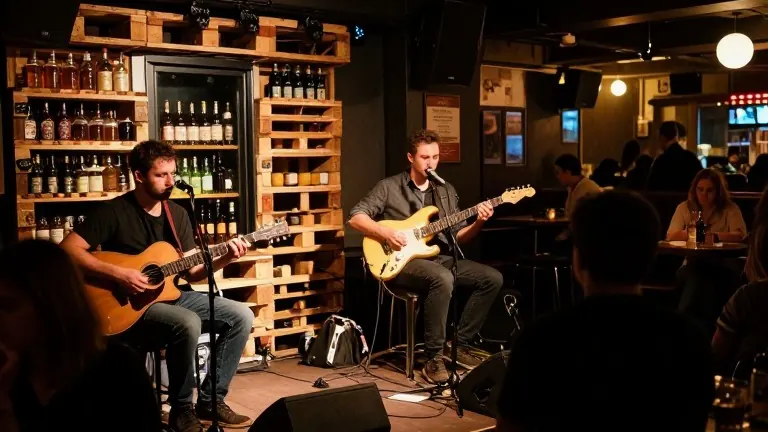
New Orleans-based rock band Twisted Teens captures this tension in their recent work. Frontman Caspian Hollywell sings the line 'Is it real?' in a voice that shifts between joy and pleading. The song serves as a meta-commentary on the band's own authenticity. Hollywell, who has used several stage names including CPN and C-Bird, asserts that the band's raw garage sound is a direct response to the current climate. He states, 'You can like us or you can hate us, but you can't say we're not real.'
A new wave of artists is embracing confrontational and DIY methodologies to counter the polish of mainstream pop. Bands like Westside Cowboy, Mandy, Indiana, and GENA are gaining acclaim by rejecting high-gloss production in favor of noise, retro garage, and jazz-funk. This shift is partly a reaction to the threat of AI slop, a term used to describe the flood of artificial content. These artists are engaging in what many musicians view as a fight for the soul of music.
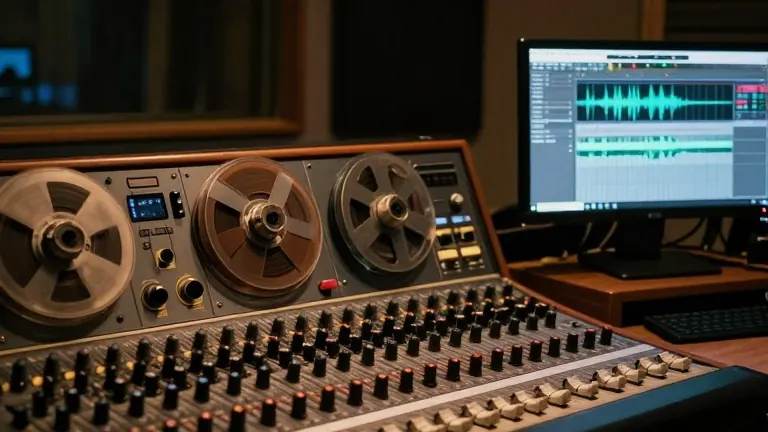
The current debate is not the first time technology has forced a reevaluation of authenticity. In 1979, guitarist Ry Cooder recorded his album Bop Till You Drop using a digital system, a move that shocked the industry at the time. While Cooder initially praised the clarity, he later admitted the sound felt 'thin' and 'cold' compared to analog tape. Listeners feared that digital recording would strip music of its human ambiance, a concern that mirrors today's fears about AI.
A similar controversy erupted in the early 1990s involving pop star Paula Abdul. Session singer Yvette Marine accused Abdul and her producers of using a composite voice for the hit 'Opposites Attract,' blending Marine's guide vocal with her own. Marine lost her lawsuit, but the incident sparked a broader 'campaign for real music.' Critic Simon Reynolds defended Abdul's use of synthesizers, though he conceded that her work was 'louder than life but lacking in resonance.'
Historical precedents suggest that listeners eventually adapt to new technologies. In 1929, radio correspondent Volney D. Hurd argued that broadcast music was a 'true miniature' of live performance. Decades later, critics debated whether the Woodstock film and album accurately represented the festival, calling them 'a treasure and a fraud' due to editing and audio limitations. Despite these debates, the public has generally accepted new formats, from the holograms in the ABBA Voyage show to the synthesizer-driven disco of Donna Summer.
Social factors also influence perceptions of authenticity. Hugh Barker and Yuval Taylor, authors of the 2007 book Faking It, identify three types of authenticity: representational, cultural, and personal. Representational authenticity asks if an artist actually performed their work, a question raised by acts like Milli Vanilli. Cultural authenticity requires verifiable ties to a specific community or legacy. Personal authenticity examines whether a confessional song reflects the artist's true experience or empathy for another's story.
The current era adds a layer of urgency to these long-standing questions. The pursuit of the real self, a concept explored by critic Lionel Trilling in 1972, now faces the pressure of digital proliferation. As new tools serve both the profits and pleasures of pop, the line between human emotion and synthetic construction continues to blur. The industry remains in a state of flux, with artists and audiences alike struggling to define what counts as real in a landscape filled with fakes.
Source: KNKX Public Radio