Giant Sri Lankan Elephant Dies After Shot
The 45-year-old bull was the island's tallest male, standing 11 feet high, and his death adds to a yearly toll of 370 elephant fatalities.
By Thabo Hoffmann ·
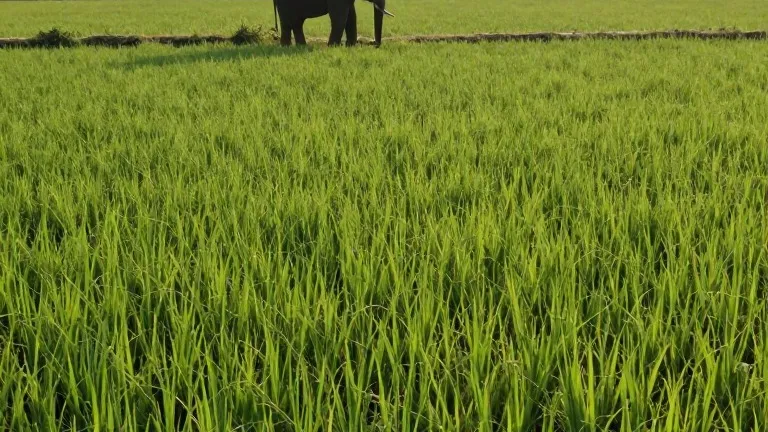
Sri Lanka maintains the highest density of Asian elephants globally, a status that intensifies friction between farmers and the animals. The tension reached a stark endpoint on October 16 when Kavantissa, the country's tallest living male elephant, died from a gunshot wound.
Veterinarians treated the 45-year-old bull after villagers in Galgamuwa noticed him limping in late September. They discovered a projectile injury on his right leg. Despite medical intervention, the animal did not survive. Kavantissa stood roughly 3.3 meters high and weighed about 5,500 kilograms, making him a prominent figure in the northwest region.
The death underscores a persistent statistical reality for the island. Sri Lanka records more annual elephant deaths than any other nation. It also faces the second-highest number of human fatalities from violent encounters with the species. Official data indicates an average of 370 elephants and 125 people have died in these incidents each year since 2019.
Demographic shifts have compressed the space available for wildlife. The rural population increased from 8.25 million in 1960 to 17.8 million in 2020. As farming remains the primary income source for many, land clearing for agriculture has accelerated. The Department of Wildlife Conservation estimated 7,451 wild elephants in 2024. Approximately 70% of these animals live outside protected zones.
Each elephant requires about 150 kilograms of green matter daily. This dietary need draws them toward cultivated fields. Ravi Corea, president of the Sri Lanka Wildlife Conservation Society, identified habitat loss and fragmented corridors as primary drivers. He noted that crop losses threaten rural livelihoods, a dynamic that distinguishes this conflict from those in wealthier nations. Although a national action plan was drafted in 2020, Corea stated it requires a comprehensive strategy with enforceable habitat protection.
Community-based initiatives offer practical alternatives to lethal measures. In the Wasgamuwa region, Project Orange Elephant encourages farmers to plant citrus trees, which elephants generally avoid. This approach reduces crop raiding while providing additional income. Electric fencing also serves to protect settlements and farmland from incursions.
Transportation modifications have also yielded results. The EleFriendly bus service moves schoolchildren safely through elephant corridors in the same region. Previously, confrontations with wild animals discouraged children from walking to school. The bus route has reduced dangerous encounters along its path by more than 90%.
Kamal Shashendra, an environmental ethics researcher based in Sri Lanka, argued that solutions must balance human livelihoods with population preservation. He specified the need for scientifically informed land-use planning and protected corridors. His model includes community-based fencing, effective early-warning systems, and fair compensation for families affected by elephant raids.
Source: Deutsche Welle