Federal regulators propose mandatory cyan lights for self-driving cars
New federal rules would standardize a blue-green signal to indicate when a vehicle is operating in autonomous mode.
By Emmanuel Obasi ·
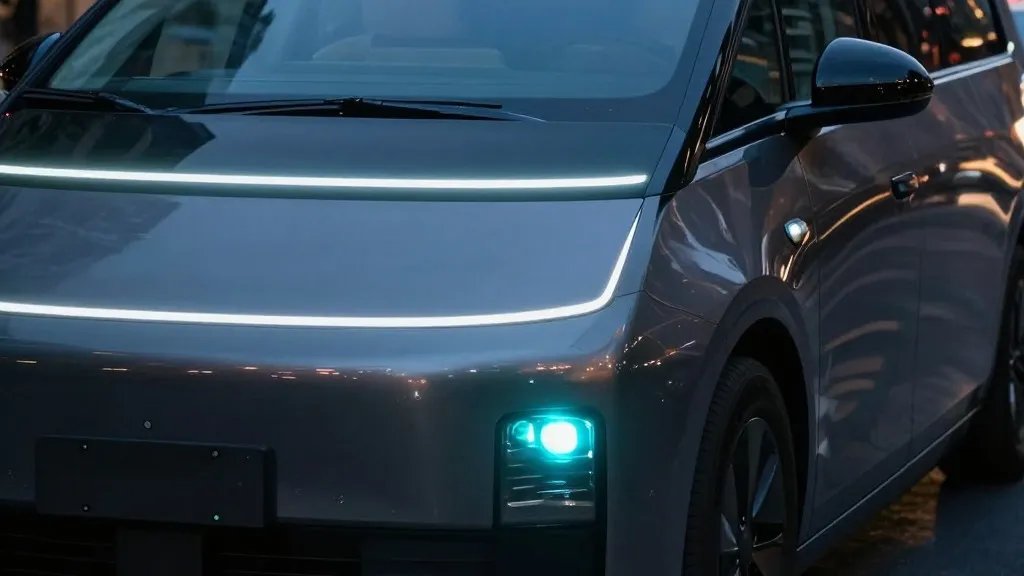
After years of industry debate over how to visually distinguish driverless vehicles from those with human operators, federal regulators have issued a specific proposal: a distinctive cyan light. The National Highway Traffic Safety Administration (NHTSA) has released proposed changes to Federal Motor Vehicle Safety Standard No. 108, aiming to create a uniform visual language for autonomous vehicles across the country.
The core of the proposal mandates that driverless cars display a blue-green marker lamp to signal to law enforcement and other road users that an automated driving system is currently in control. NHTSA argues that this specific color fills a visual gap in the current traffic lighting spectrum. Existing automotive standards already utilize red, amber, white, and flashing blue or red lights for functions like braking, turning, headlights, and emergency services. By introducing cyan, the agency hopes to provide a clear, consistent indicator that does not conflict with established signals.
There is already some precedent for this approach, though it has not been without changes in the industry. Mercedes-Benz previously received state-level approval to use turquoise lights on its Level 3 Drive Pilot vehicles. However, the automaker has since abandoned that specific concept in favor of a Level 2++ system. Despite this shift, NHTSA is moving forward with a national standard that could be adopted uniformly by major robotaxi operators such as Waymo, Nuro, and Zoox, as well as traditional automakers like GM and Mercedes.
Under the current proposal, the installation of these cyan marker lights would be optional for manufacturers. However, if an automaker chooses to include them, the federal standards would dictate their exact color, brightness, and placement on the vehicle. This requirement is designed to prevent a fragmented market where different companies use varying colors or signal patterns, ensuring that a cyan light means the same thing regardless of who built the car.
The regulatory update goes beyond just adding new lights; it also involves removing outdated requirements that are irrelevant for vehicles without human drivers. Current rules necessitate the presence of physical hazard switches, manual beam shifters, and turn levers inside the cabin. NHTSA proposes eliminating these mandates, recognizing that they are designed for human operation. The agency is also updating the 12.8-volt testing standard to allow automakers to utilize modern LED architectures without facing unnecessary administrative hurdles.
Additionally, NHTSA is considering relaxing rules regarding the physical positioning of high-beam and low-beam lights. Currently, regulations dictate whether high-beams must sit above or below low-beams, a constraint that can complicate design for vehicles that may not have a traditional dashboard or driver-facing controls. By streamlining these rules, the Department of Transportation aims to facilitate the broader deployment of autonomous vehicles.
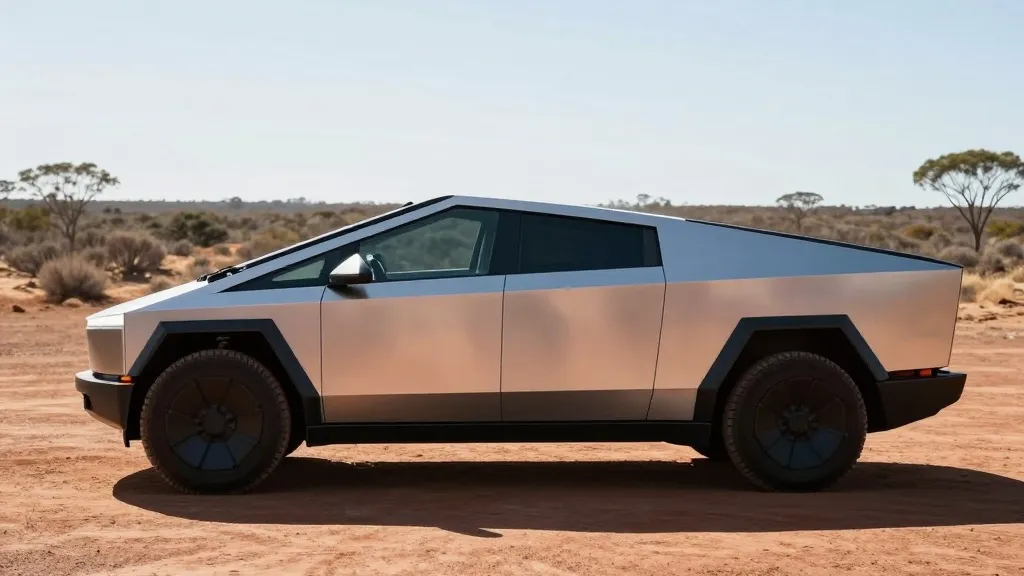
This move is part of a larger administrative push to simplify the process for building cars that lack traditional controls like steering wheels and pedals. The goal is to make it easier for manufacturers to design vehicles specifically for autonomous operation rather than retrofitting human-driven cars. However, the agency is still actively enforcing existing rules while new ones are being developed. Last month, NHTSA initiated an audit query into the Tesla Cybercab to examine the technical data and process Tesla relied on when certifying the vehicle.
The audit focuses on the absence of certain design features required under current Federal Motor Vehicle Safety Standards, such as sideview mirrors, pedals, and a steering wheel. This situation highlights the current tension in the regulatory landscape: while the government is working to create new standards for autonomous vehicles, existing rules for human-driven cars are still being strictly applied to new models that lack traditional controls.
Source: The Verge · original report published