Campuses Hire Peers to Teach Students How to Talk to Each Other
Universities are paying students to lead small-group discussions aimed at reducing isolation among classmates.
By Lucas Collins ·
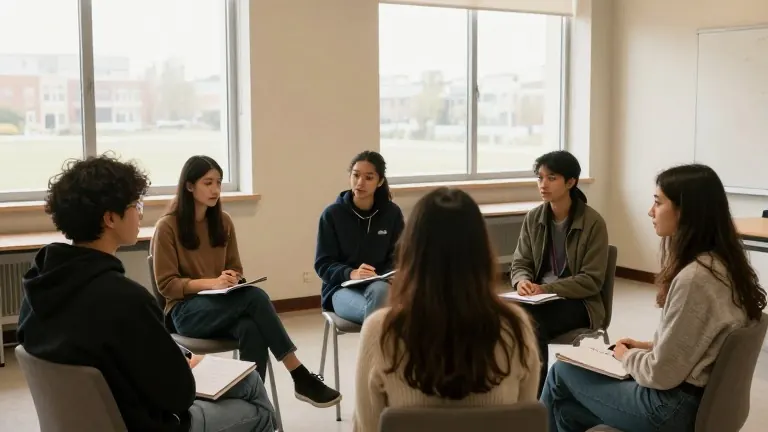
Colleges across the country are training students to run small discussion groups for classmates who report feeling disconnected on campus. The programs place an upper-year student in a room with a handful of peers and give them a set of prompts to work through together.
The stated goal is practical: students who arrive at university often arrive without a ready group of friends, and campus staff say they see the effects in advising offices and health clinics. Administrators point to enrollment data showing students who leave before completing a degree frequently cite a weak sense of belonging as one reason.
Peer leaders receive several hours of training before their first session. They are taught to open a conversation, keep each person talking for a stretch, and close the meeting without assigning homework. Facilitators are told not to act as counselors and to refer anyone who appears in distress to campus support staff.
Campus officials say the format costs less than hiring additional mental health professionals. A single trained student can meet with a rotating group each week, while a counseling center appointment requires a licensed clinician. Some schools run the sessions through residential life, others through the dean of students office.
Programs differ in how often they meet. Some run eight-week cycles tied to the academic term, others meet every other week through the semester. Attendance is voluntary, and leaders say they do not take role, which affects how many students return for a second session.
Open questions remain about how well the model works. Campuses track how many students show up and how many say afterward that they made a friend in the group. They have not published long-term data on whether participants stay enrolled at higher rates than students who never attend.
The practice sits alongside a rise in reported loneliness among young adults, a trend national surveys have tracked for several years. Colleges that run these programs say they are responding to a request from students themselves, who ask for more ways to meet people outside of class.
Program leaders report that students who attend three or more sessions are more likely to come back for a second cycle. Facilitators log attendance after each meeting and note which prompts produced the longest discussion.
Source: Cascade PBS