Adult Children Record Elders to Preserve Family Histories
A Lake Oswego writer details how weekly interviews and audio recordings are preventing the loss of personal memories and cultural knowledge within local families.
By Thabo Hoffmann ·
Peggy Keonjian, a member of the Jottings Group at the Lake Oswego Adult Community Center, argues that families are losing access to the stories of their elders unless they take active steps to preserve them.
Keonjian cites an old attic trunk in Sweden as the starting point for her own family's history. The trunk contained letters written by her grandfather, Olaf, to his sister during the late 1800s. Olaf had immigrated from Sweden to Kansas without explanation, leaving his family in the dark about the reasons for his departure. The letters revealed that he fled his home in Sweden after outspoken disagreements with local authorities. He later met his future wife, who was twenty years his junior, in Kansas. The documents also detailed his work as a saddle-maker for a prominent American brewing company. For Keonjian, the physical letters transformed Olaf from a name on a family tree into a distinct individual.
She suggests that modern families can uncover similar details without relying on hidden documents. Many households now use structured questionnaires to guide conversations between parents and children. These prompts ask individuals to describe their perfect day or share specific memories from childhood. Other recommended topics include describing a favorite toy at age ten, listing an achievement one is most proud of, or explaining how a best friend would have described them as a teenager. Questions about world events that impacted a person's life also serve to anchor personal narratives to historical timelines.
Keonjian notes that lighter topics can also yield valuable insights. Asking for a description of a favorite outfit at different ages often leads to laughter when the item is found in online archives. Younger family members frequently react with disbelief at the conditions of life before smartphones and the internet. However, Keonjian observes that these younger individuals may also feel a sense of envy regarding the freedom of a childhood without modern digital distractions.
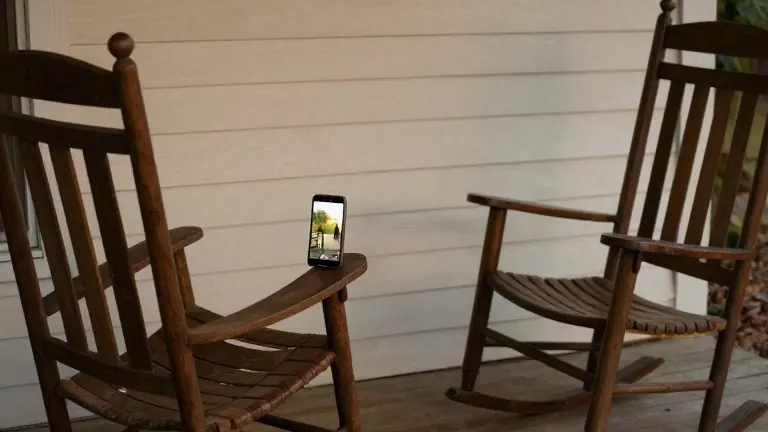
Her own adult daughter turned this practice into a formal project during the summer of the 2020 pandemic lockdown. The daughter visited once a week to sit on the porch, maintaining a six-foot distance from Keonjian. During each one-hour session, the daughter asked questions about Keonjian's life, including her childhood, college years, and career. She recorded the conversations on her phone. By the end of the summer, she had accumulated hours of audio containing laughter and memories. The recordings provided the daughter with a portrait of her mother as a person with a full life, rather than just a parent figure. For Keonjian, the process of remembering helped her organize her own long life into a coherent narrative.
The daughter now spends part of her summer in England and part of her winter in Australia. They maintain a weekly one-hour video call via Zoom. The daughter records these conversations, which cover the events of the week in a manner similar to a local coffee meeting. The video feed allows Keonjian to see her surroundings, including kangaroos on a lawn or old family portraits hanging on walls. The daughter conducts similar recorded sessions with her father. The recordings serve as a permanent record for future reference when the two can no longer speak in person.
Keonjian references an African proverb stating that when a person dies, a library burns to the ground. She describes this library as being filled with stories, wisdom, and cultural treasures. She argues that families have ample material for discovery in their own households. This is an alternative to observing other people's lives through television shows or social media influencers. She urges readers to ask questions while their elders are still alive. If no one in the family is recording, she advises that individuals should record their own lives to ensure the stories are not lost.