42% Risk Reduction: Personalized Vaccine Shows Promise in Melanoma Trial
A new personalized vaccine, when combined with a standard therapy, has demonstrated a significant reduction in the risk of death or recurrence for melanoma patients in a late-stage trial.
By Emmanuel Obasi ·
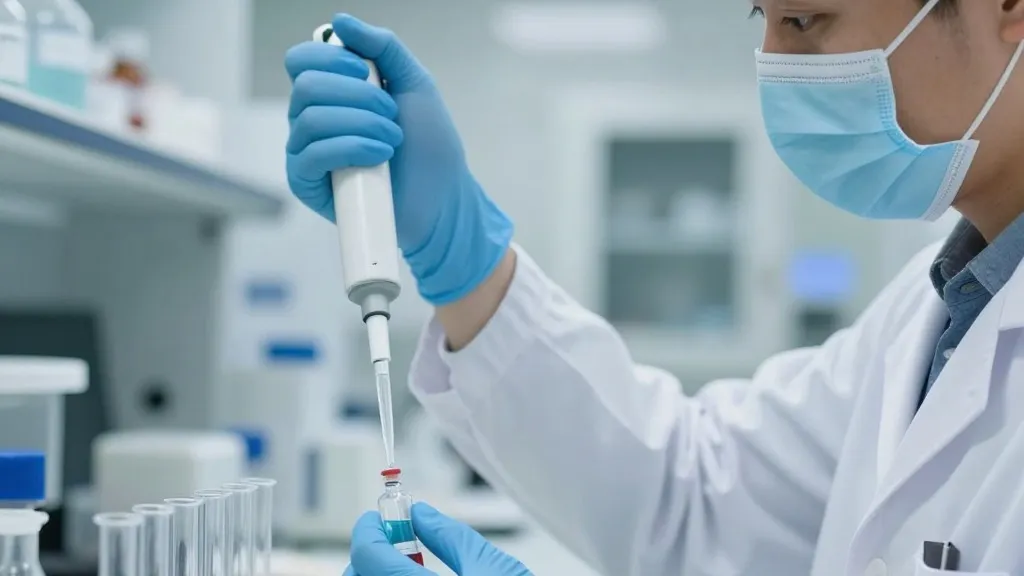
A personalized mRNA vaccine for melanoma, developed by Moderna and Merck, lowered the risk of death or recurrence by 42% in a late-stage trial when used with a standard treatment. The companies announced this data, which is scheduled for presentation at the European Society of Medical Oncology conference in Madrid. This result is significant for melanoma, the deadliest form of skin cancer, and for the broader field of oncology, as it supports the potential for individualized cancer therapies. The trial's success strengthens the argument for using mRNA technology to create treatments matched to a patient's specific tumor.
The trial, a Phase 3 study, enrolled 1,137 patients with stage IIB, IV melanoma whose tumors had been surgically removed. Participants were randomly assigned to receive either the personalized vaccine combined with Merck's monoclonal antibody drug Keytruda, or Keytruda alone. The 42% reduction in risk was measured for the combination therapy compared to the standard treatment by itself. The full data set from the study has been accepted for publication in the New England Journal of Medicine.
The companies had previously announced in August that the trial met its primary goal but did not disclose specific figures. The top-line results were released early after an oncology news site reported them, breaking an embargo for the upcoming conference presentation. The companies are now working with regulatory authorities to seek approval for the vaccine. Moderna CEO Stéphane Bancel stated that the results "mark a defining moment for that vision" of using mRNA technology for cancer treatment.
This development represents a potential paradigm shift in how cancer therapies are developed, moving towards treatments uniquely matched to each patient's tumor. The trial's outcome is a key step toward making such personalized cancer medicine a reality. The next steps for the vaccine involve regulatory review and potential approval. The success of this trial could influence future research and development in cancer treatment, particularly in the use of mRNA technology for individualized therapies.
Source: Ars Technica · original report published