Synthetic Identity Fraud Doubles in Canada as AI Accelerates Fake Persona Creation
Criminals now build fake people using real Social Insurance Numbers, and new AI tools allow them to assemble these identities in seconds.
By Emmanuel Obasi ·
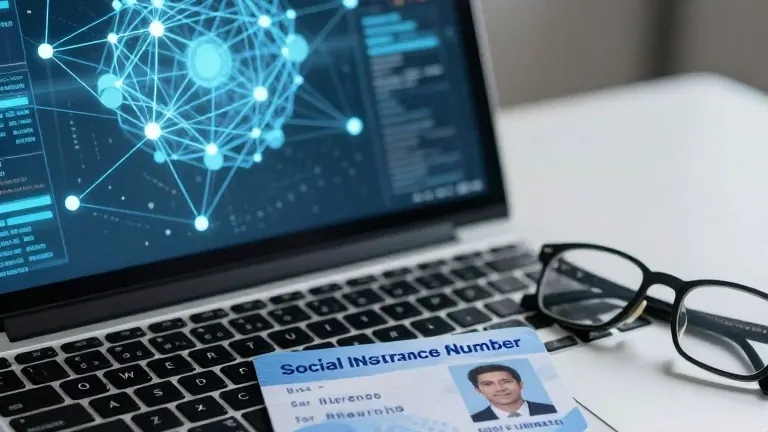
Synthetic identity fraud doubled as a share of fraudulent applications in Canada between 2022 and 2024, according to data from Equifax. The Digital ID and Authentication Council of Canada warns that these fabricated personas, often called digital Frankensteins, now represent a material threat to residents across the country. The surge is driven by artificial intelligence tools that can construct convincing fake identities in seconds.
Dave Lewis, global advisory chief information security officer at Toronto-based security firm 1Password, described the method in an interview with Metroland Media. Fraudsters take a real Social Insurance Number from a data breach or the dark web and attach it to a fake name, birthdate, and address. Lewis noted that the term Frankenstein applies because the final product is stitched from parts of several real people rather than one victim.
This method differs from traditional identity theft because there is no single person to file a complaint. In classic cases, a victim notices the fraud and reports it. With synthetic identities, the real SIN owner may remain unaware for years while the fake person builds credit. Fraudsters typically nurture these fake profiles for 18 to 24 months, establishing good credit scores before maxing out limits and disappearing.
Carl Davies, head of fraud and identity at Equifax Canada, explained that the real SIN owner’s credit report often remains unaffected. Because the fake identity uses a different name, the fraudulent debts usually appear on a separate credit report. Victims often only discover the problem when applying for credit and facing delays, or when a lender notifies them during an investigation.
AI has industrialized the process in three ways, according to Lewis. The technology cleans messy stolen data to create hundreds of coherent personas in an afternoon. It generates realistic faces and deepfake videos to pass biometric checks. It also creates fake email histories and social media footprints to make the identity appear legitimate. Lewis stated that the synthetic identity now has a voice, a face, and a past.
Certain groups are prime targets because their files are often inactive. Newcomers, deceased persons, and children are frequent victims. Davies noted that children are particularly attractive targets because they do not have existing credit reports until they reach the age of majority. This gap allows fraudsters to establish credit and accumulate debt without detection for many years.
To protect against this threat, Lewis advised treating the SIN like a bank password. Only employers, banks, and the Canada Revenue Agency should request it. Ontario residents can now freeze their credit through Equifax, a service that became available on July 1. A freeze blocks new credit from being opened in a person's name and is free to use. Lewis also recommended checking both Equifax and TransUnion reports annually to look for unrecognized addresses or inquiries.
Source: Burlington Post
More Business · Consumer Watch · Report a business · Got a Story?