Oswego Lake Reaches 10-Foot Drawdown Level for Infrastructure Repairs
The Lake Corporation lowered the water level by 10 feet to allow contractors to service underwater pipes, docks, and seawalls before the natural refill begins in January.
By Emmanuel Obasi ·
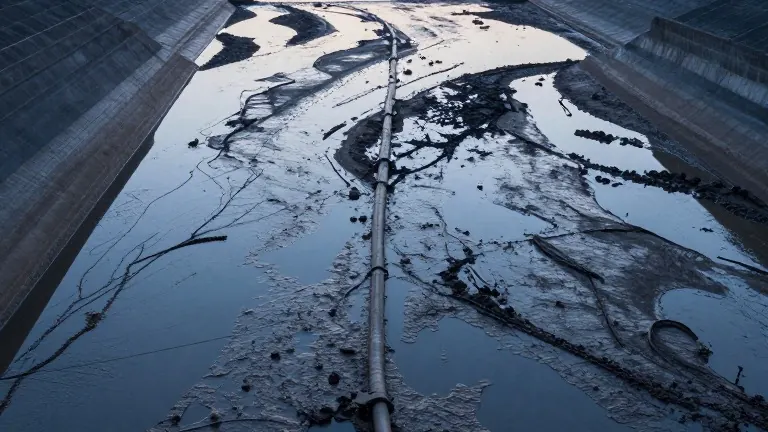
The triennial maintenance cycle for Oswego Lake has reached its lowest point, exposing infrastructure that remains submerged for most of the year. The Lake Corporation initiated the water release on Oct. 1, 2026, to facilitate necessary civil works and private repairs.
Water levels declined at a rate of six inches per day. By Oct. 23, the lake had dropped the full 10 feet. The Lake Corporation projects that natural rainfall will refill the basin to its standard operating level by April. This timeline relies on meteorological estimates for the upcoming winter and spring seasons.
Gabe Winfrey, the general manager for the Lake Corporation, explained that the schedule requires extensive advance planning. He noted that homeowners and city crews must secure contractors well in advance to utilize the limited window for construction. "We have to communicate what our plan is months and months and months ahead of time, so people can plan these contractors to come in and do the civil work," Winfrey said.
The drawdown exposes the network of water and sewage pipes managed by the Lake Oswego Public Works Department. It also allows residents to address structural issues with boat houses, docks, and seawalls. For the first time since the 2010 cycle, contractors are dredging West Bay. This process disturbs the settled lakebed to remove accumulated sediment and specific algae pockets.
Winfrey emphasized the importance of water quality monitoring during these operations. "We spend a lot of time and care and money to test the water and know what’s going on," he stated. The goal is to manage cyanobacteria levels to prevent toxicity while preserving beneficial algae species. The corporation releases water slowly through its power station near George Rogers Park to generate hydropower, though some water is directed to the Willamette River via the spillway to meet the three-month construction deadline.
The lowered water line reveals much of the city's stormwater infrastructure. Manhole entrances previously hidden by docks are now visible. Winfrey described the complex flow of stormwater originating near Interstate 5, which enters the lake on one side and exits on the other. He noted that this period is typically quiet and rainy, but the drawdown year brings increased activity and inquiries from residents.
Recreation on the lake continues but requires caution. Fifty percent of powered boats were removed from the lake earlier in the year. Lakewood Bay and West Bay are currently disconnected from the main body of water. While some residents can access the water line for paddleboarding or kayaking, the exposed mud and altered geography present new challenges. Winfrey reported that recreational activity has decreased compared to normal months, though no hidden treasures have been discovered in the exposed lakebed.
Winfrey has led the organization since 2009 and previously oversaw the 2010 drawdown. That earlier event required a 25-foot reduction in water level to accommodate major city sewage work and dam retrofits. The current 10-foot drawdown follows the standard three-year cycle established for routine maintenance and inspection of the underwater utility network.