Google Health Boosts Workout Detection
A major update expands automatic activity logging to a hundred categories and introduces new metabolic insights for Fitbit users.
By Emmanuel Obasi ·
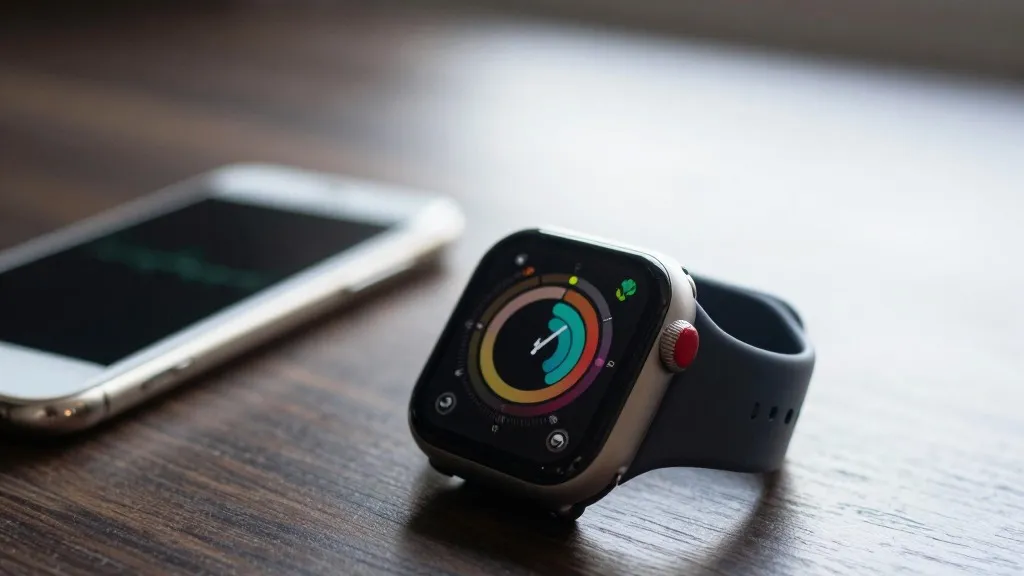
Users of smartwatches and fitness trackers face a persistent challenge in accurately recording their physical exertion without manual intervention. Google has addressed this friction by releasing version 5.11 of its Google Health application. This update arrives this week and significantly alters how the system identifies and logs physical activity for owners of Fitbit devices and the Pixel Watch.
The most substantial change involves the automatic detection of workouts. The new capability is currently live on the Fitbit Air and the third, fourth, and fifth generation Pixel Watches. The Fitbit Edge will gain this functionality upon its market launch on October 27. The system’s recognition scope has expanded dramatically, moving from ten specific activities to a hundred distinct types. This broader range covers strength training, swimming, and various racket and team sports.
Google attributes the improved precision to a contextual reasoning engine. This mechanism analyzes a user’s historical data, established routines, and manual corrections to refine its predictions. The company states that this approach nearly doubles detection accuracy and reduces missed sessions by more than half. Workouts are logged automatically once they reach a sustained elevated heart rate and meet a minimum duration, which defaults to fifteen minutes. A summary of the session typically appears in the app within thirty minutes. The system continues to learn as users confirm or adjust these entries.
New monitoring tools are also arriving for subscribers to Google Health Premium who use the Fitbit Air or Fitbit Edge. Two Health Guardian features, tracking blood pressure and insulin resistance trends, are now available for setup. Initial reports from these features are scheduled for the start of November. Blood pressure data aims to help users identify patterns that could stress the heart. This metric is accessible to those who wore a Fitbit Air for at least five consecutive days in October. Insulin resistance trends, which track monthly metabolic shifts, require seven days and nights of wear during the month.
The application has also updated its terminology and data visualization for blood sugar monitoring. The label Blood glucose has been replaced with Glucose throughout the interface, accompanied by revised charts. Users can establish custom time-in-range goals for data from connected continuous glucose monitors. To do this, they navigate to the Metabolic section of the Health tab, select Glucose, and choose the Set goal option in Settings.
In the United States, the Lingo by Abbott device can now link directly to the Google Health app. This connection ensures glucose readings appear within thirty minutes. Premium members can also query the Google Health Coach regarding their glucose trends. The pairing process involves tapping the profile icon and selecting Partner Apps.
Sleep tracking has undergone refinement in two specific areas. The algorithm now incorporates step data to better identify brief awakenings, such as trips to the bathroom. Additionally, users have the option to delete a nap entry that does not align with their daily schedule directly from the nap card. Version 5.11 is currently available on iOS and is in the process of rolling out to Android devices.
Source: 9to5Google