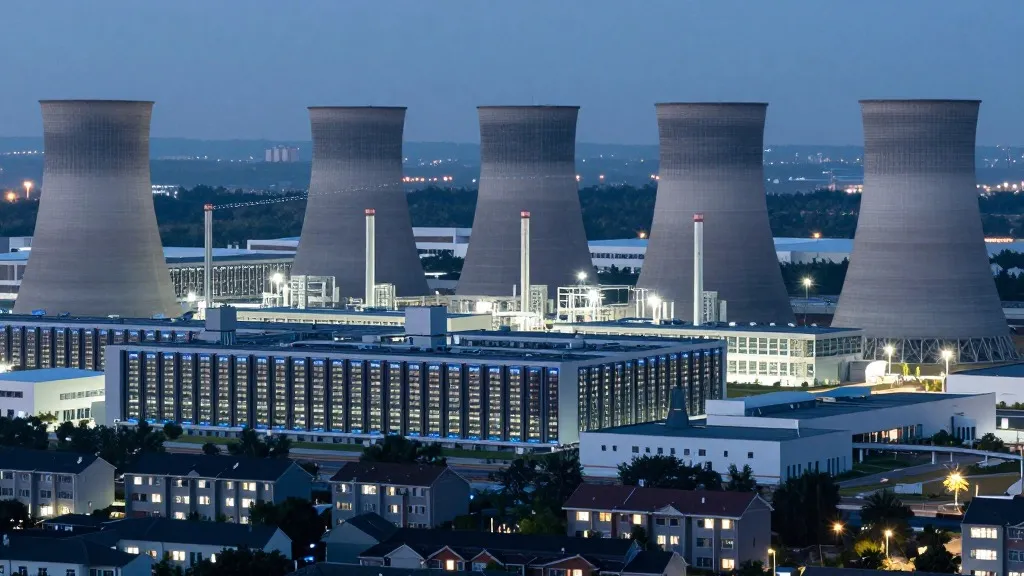
Google Faces Wolf Incursions in Finland After Halting AI Data Center Construction
Displaced wildlife is entering Finnish villages following the unauthorized clearing of forests for Google's data center projects, prompting new safety concerns for local residents.
By Emmanuel Obasi ·
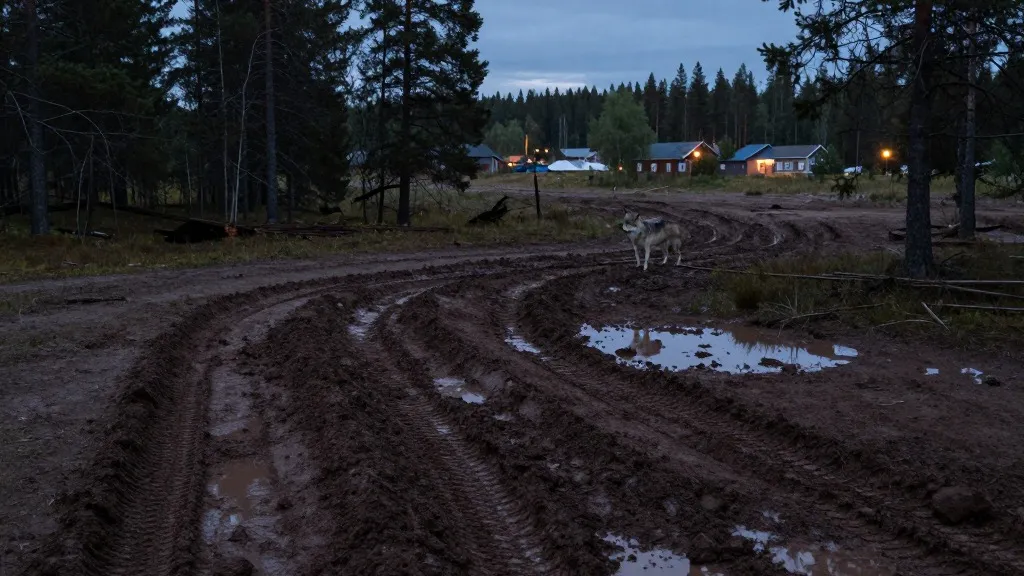
Wolves that previously inhabited the forests near the village of Otanmäki are now roaming into neighboring communities, a development that has intensified local concern over the environmental impact of Google’s AI data center projects in Finland. The shift in animal behavior is attributed to the significant clearing of woodland areas, which has forced wildlife to seek new territory closer to human settlements. This latest development adds a tangible safety dimension to the ongoing dispute between the technology giant and Finnish authorities regarding the scope and legality of its construction activities.
The situation stems from unauthorized clearings in the Muhos region, where approximately 816 acres of forest have been stripped away, leaving behind a vast expanse of mud. Google’s country manager for Finland has issued an apology for these actions, acknowledging the disruption caused to the local landscape. In a related site roughly 55 miles southeast of Otanmäki, officials have ordered a halt to work on another roughly 500 acres of cleared forest. These orders come as the Finnish Licensing and Supervision Authority (LVV) moves to enforce compliance with environmental regulations that the company is accused of bypassing in its rush to build new infrastructure.
Local residents have expressed growing frustration with the changes to their surroundings. Anni Ranta, 53, a multi-generational resident of Otanmäki, noted that the displacement of wild animals has led to wolves appearing in the village. “We had wolves coming into the village because all the wild animals moved out of the forest,” Ranta explained. Beyond the immediate ecological changes, Ranta voiced concerns that the presence of U.S.-owned data centers could make Finland a more attractive target for Russian aggression, a sentiment that resonates with some in the community who view the projects through both environmental and geopolitical lenses.
The complaints extend beyond the presence of wolves. Locals have reported a variety of other adverse effects, including persistent construction and factory noise, streams turning brown, and the displacement of rare bird species. These grievances mirror similar concerns raised by communities in the United States and other countries that have hosted large-scale AI data center developments. The cumulative impact of these factors has led to a simmering anger among residents who feel that the rapid pace of construction has prioritized corporate timelines over local environmental standards.
The Finnish Association for Nature Conservation (SLL) has characterized Google’s handling of environmental policy as unprecedented and clearly flawed. The LVV’s decision to issue stop-work orders in both the Muhos and Otanmäki areas reflects a regulatory stance that aligns with the conservation group’s assessment. The authority’s intervention marks a significant escalation in the dispute, signaling that regulators are taking a firmer stand against the company’s methods.
Despite the regulatory pressure and local backlash, Google maintains a cooperative posture. A company spokesperson stated that the firm will fully comply with the LVV’s requests and looks forward to an active and open dialogue with all authorities. The goal, according to the spokesperson, is to strengthen the partnership with Finland and local organizations. Google appears to be betting that the long-term business benefits of the data centers will ultimately sway the government and regulators in its favor.
This incident follows earlier reports from this month, in which the Finnish government first notified Google to cease construction activities in Muhos and Kajaani, the area near Otanmäki. The recent entry of wolves into villages serves as a stark illustration of the ecological consequences of the halted projects. As the stop-work orders remain in effect, the focus now shifts to how the muddy landscapes will be remediated and whether Google will agree to reforestation efforts to restore the habitat for displaced wildlife.
For now, the immediate concern for villagers is the safety of their families as wild animals navigate their new, closer-to-home territory. While the regulatory battle continues, the physical reality of the cleared forests and the displaced animals provides a vivid backdrop to the negotiations between Google and Finnish officials. The outcome of these discussions will likely set a precedent for how future AI infrastructure projects are managed in the region's sensitive natural environments.
Source: Tom's Hardware · original report published