Georgia Records 5.5 Million Tourist Visits as Political Standoff Enters Second Year
Domestic unrest and Russian capital inflows coexist with a record tourism year and 7.5% GDP growth in the Black Sea republic.
By Emmanuel Obasi ·
The Georgian economy posted a 7.5% rise in gross domestic product for 2025.
This expansion marked the fifth consecutive year of growth for the country. The performance occurred while domestic political tensions remained high.
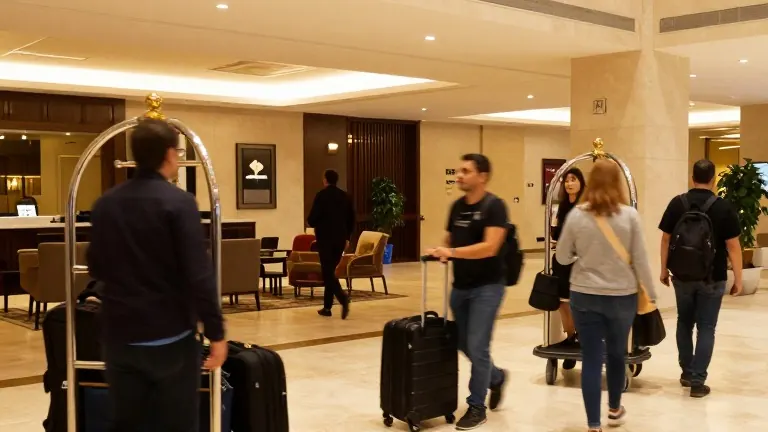
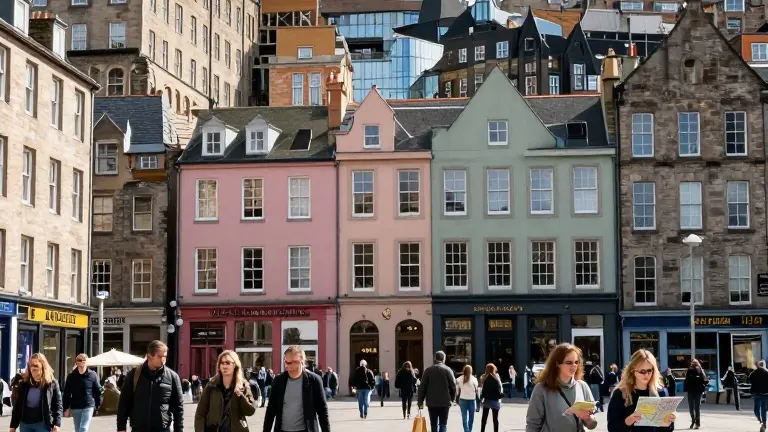
International visitor numbers reached a new peak in 2025. The Georgian National Tourism Administration counted more than 5.5 million visits. This figure represents an 8.4% increase over the 2024 total. It is nearly ten times the approximately 560,000 visitors recorded two decades ago.
Tourists arrive from various regions, including Europe, the Middle East, and Russia. The influx of visitors supports the service sector. They are drawn to historic sites, mountain villages, and the capital’s cultural offerings.
Russian investment plays a major role in the domestic economy. Since the full-scale invasion of Ukraine in 2022, tens of thousands of Russian citizens moved to Georgia. These residents brought capital and opened businesses. They also exerted upward pressure on the property market by purchasing homes across the country.
This economic reliance exists alongside complex diplomatic relations. Diplomatic ties were severed after the 2008 conflict. Russian military control over Abkhazia and South Ossetia remains in place. These regions account for roughly 20% of Georgian territory. Yet trade, remittances, energy imports, and tourism continue to support the national economy.
The political backdrop features a two-year anniversary of the contested parliamentary elections held on October 26, 2024. Protests began two days after the vote. They peaked in late November 2024 when the government stated that EU negotiations would not begin before the end of 2028.
Georgian Dream has held power since 2012. The party is led by Bidzina Ivanishvili, who founded the party and served as prime minister from 2012 to 2013. Ivanishvili made his fortune in Russia during the 1990s. He recently funded the renovation of the Rustaveli theatre, a key symbol of national independence.
The country faces structural economic challenges despite the recent growth. Unemployment, low wages, and widespread poverty persist. Many rural areas experience depopulation. The population of the republic stands at fewer than 4 million people.
Geopolitical factors influence the domestic outlook. The European Union has criticized the government’s record on rule of law and political repression. Georgia was granted EU candidate status in 2023, but accession talks are currently suspended. The country’s future stability may depend on developments in the wider regional conflict.
Source: The Guardian
More Business · Consumer Watch · Report a business · Got a Story?