FCC Chip Bans: New Rule Targets Dashcams and Transmitters
The Federal Communications Commission has blocked two consumer electronics products from US sale for the first time under a new policy focused on internal silicon rather than brand names.
By Lucas Collins ·
The Federal Communications Commission has exercised its new authority to ban specific hardware components, marking the first time the agency has removed products from the US market based on the chips inside them rather than the brand or model label. This enforcement action targets a dashboard camera and a wireless video transmitter, both of which are no longer permitted for sale or marketing in the United States. The move signals a significant shift in how regulators approach national security risks in consumer electronics, moving away from entity-based restrictions toward component-based scrutiny.
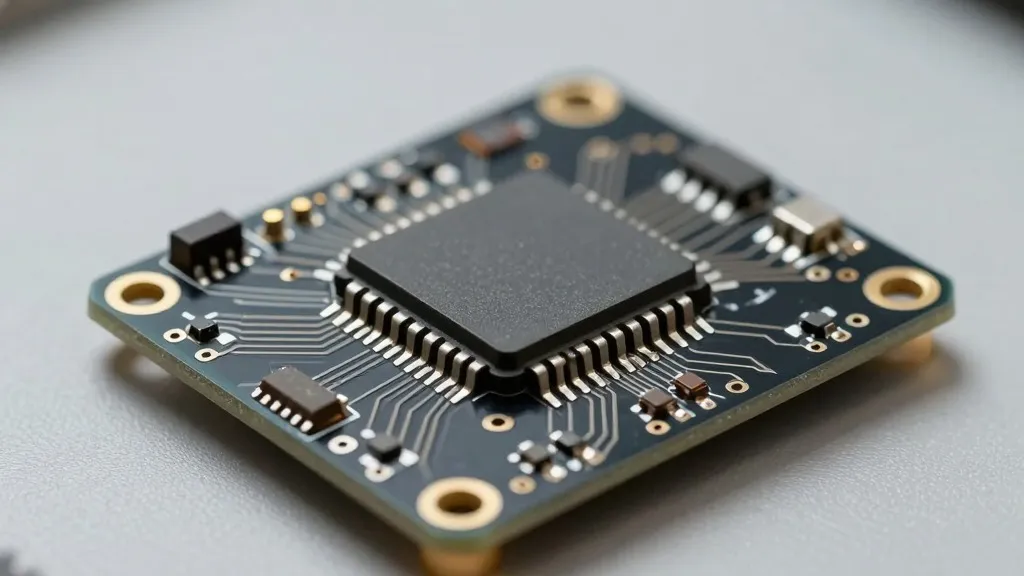
The technical specification at the center of the ban is the HiSilicon Smart Vision system on a chip. This particular integrated circuit, identified as the Hi3516CV610 UHD Smart Vision, is designed for surveillance applications including vehicle dashcams and wireless closed-circuit television systems. The chip integrates several functions, including WiFi, Ethernet connectivity, and video encoding hardware. It also includes an Arm Cortex-A7 processor and a neural processing unit, which serves as the primary point of contention for the agency.
HiSilicon operates as a subsidiary of Huawei, a company that appears on the FCC's Covered List of entities deemed a risk to US national security. The new rule closes a previous loophole that allowed rebranded products containing parts from these listed manufacturers to continue reaching consumers. By targeting the silicon itself, the FCC can now block entire categories of devices that utilize specific logic-bearing components, regardless of the final product's name or origin label.
The specific concern lies with the neural processing unit, which the agency classifies as a device containing smart components made by covered entities. According to the chip's technical documentation, the Intelligent Video Engine runs on this unit and utilizes a built-in dedicated multimodal large model. This setup allows the AI to track relationships between objects across video frames, maintaining attention on subjects such as pets, human faces, figures, and parcels. For the average user, this feature enables a camera to distinguish between a pet moving around and a person interacting with a delivered package.
While the consumer application appears benign, the FCC argues that the same logic-bearing AI capability presents a security risk. The agency believes these components could be used to survey US citizens and log facial data for foreign surveillance purposes. This perspective aligns with broader concerns about data collection by foreign entities and the potential for hidden monitoring capabilities in everyday household devices.
Huawei has a history of involvement in US trade disputes. The company was previously linked to an incident where it used shell companies to deceive TSMC into manufacturing AI chips, despite US requests to halt supply to certain Chinese customers. That episode, along with other controversies, has contributed to the current string of product bans affecting the company's subsidiaries in the American market.
Public reaction to the new enforcement approach has been varied. Some observers have characterized the move as protectionism or questioned the substantive difference between domestic and foreign surveillance practices. Others have debated the scope of the FCC's authority, with some noting that the Communications Act of 1934 directs the agency to protect both wired and wireless communications. A different faction of commentators argued that silicon-based bans should have been the standard approach from the beginning, given the complexity of product revisions and regional variants in modern manufacturing.
This action establishes a precedent for future regulatory decisions. The focus on internal components suggests that manufacturers will need to provide more detailed transparency regarding their supply chains. As the US continues to refine its export and import restrictions, the integration of specific chips into consumer devices will likely face closer scrutiny to ensure alignment with national security goals.
Source: Tom's Hardware